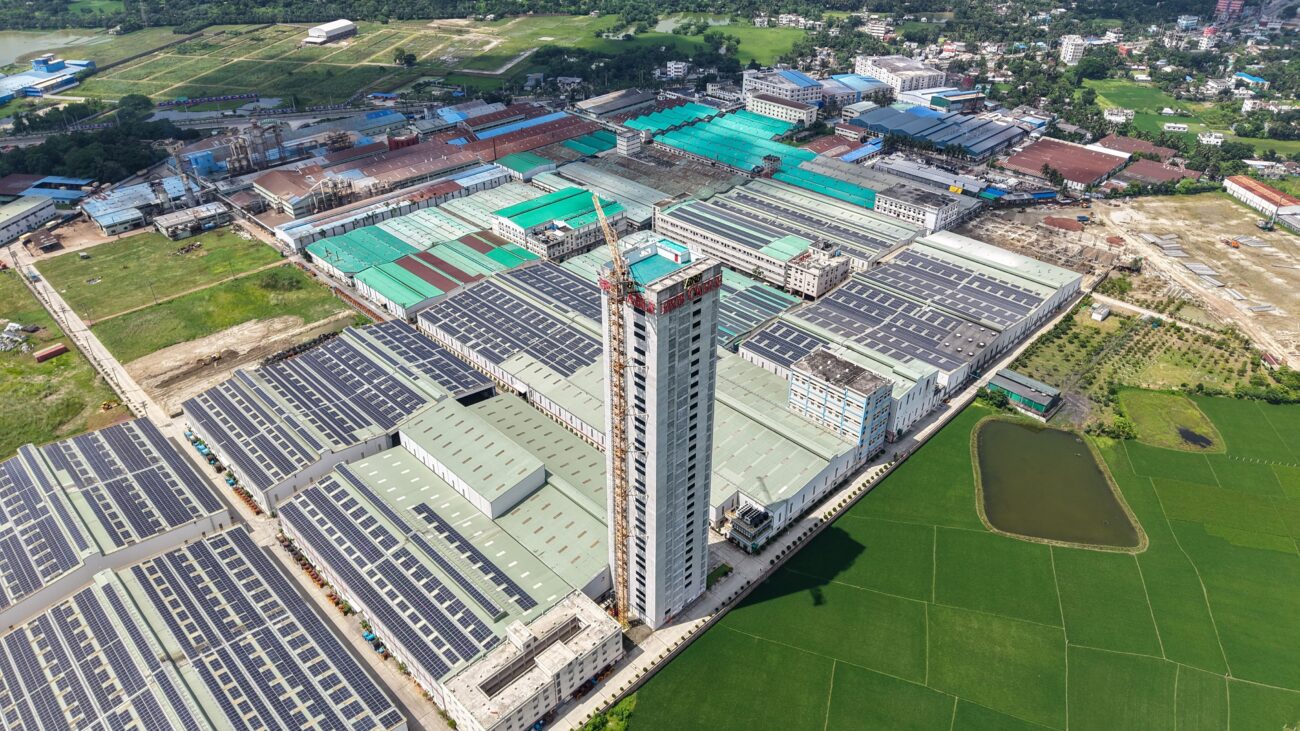
While some manufacturers are optimistic about 2026, others have mixed feelings. Demand for industrial products is still solid in some industries, and firms are still facing challenges such as labor shortages, supply chain modifications, and the speed of change in technology. Investment in digital technologies, skills and operational resiliency may help companies be in a stronger position for future growth, according to Deloitte’s Manufacturing Industry Outlook.
Manufacturing Goes Digital
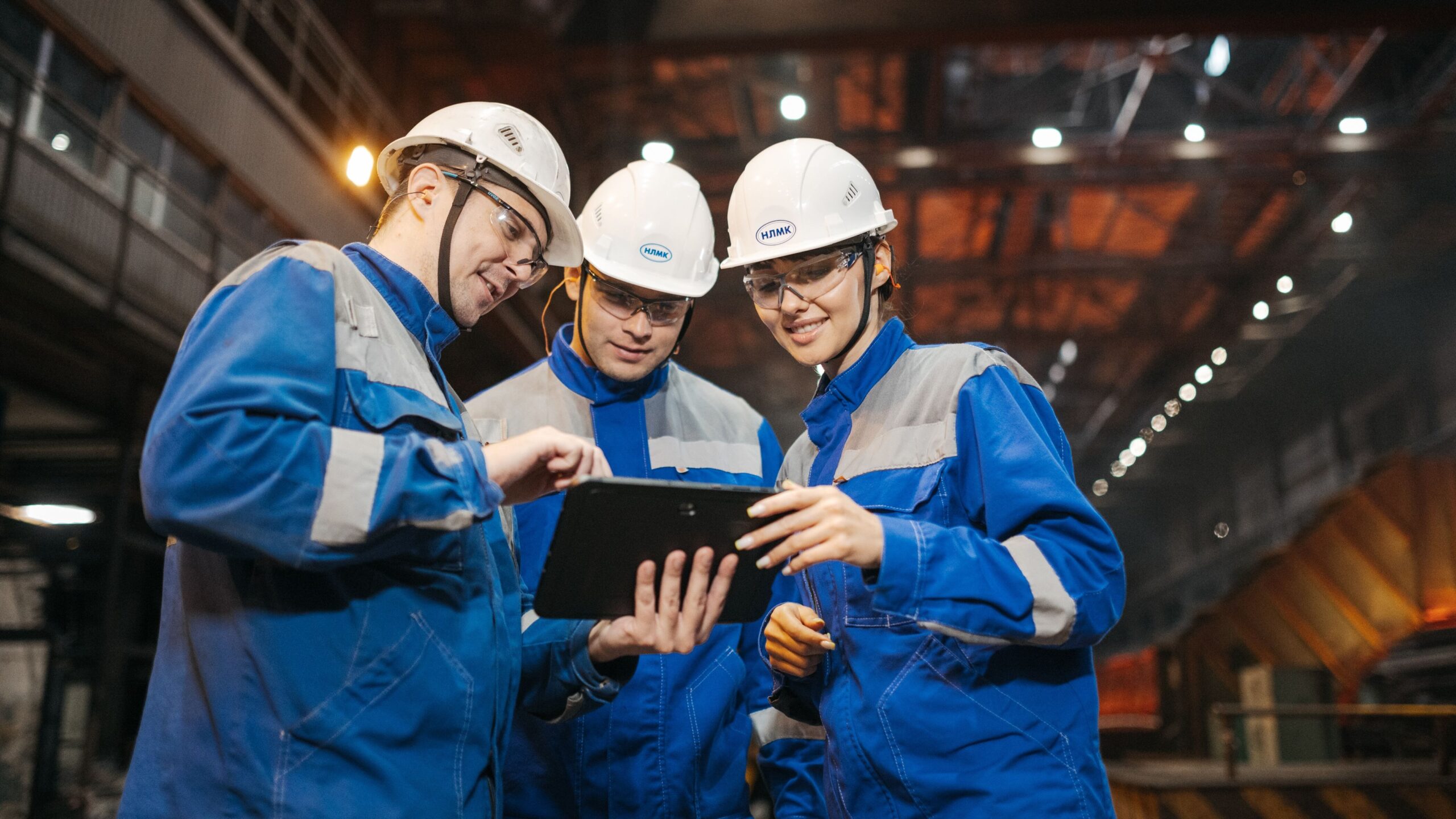
Businesses in small and medium enterprises are still investing in digital solutions and technologies to enhance efficiency and competitiveness. Businesses are leveraging advanced analytics, automation, and connected systems to improve process efficiency and make quicker, data-informed decisions in manufacturing plants.
AI Changes Production
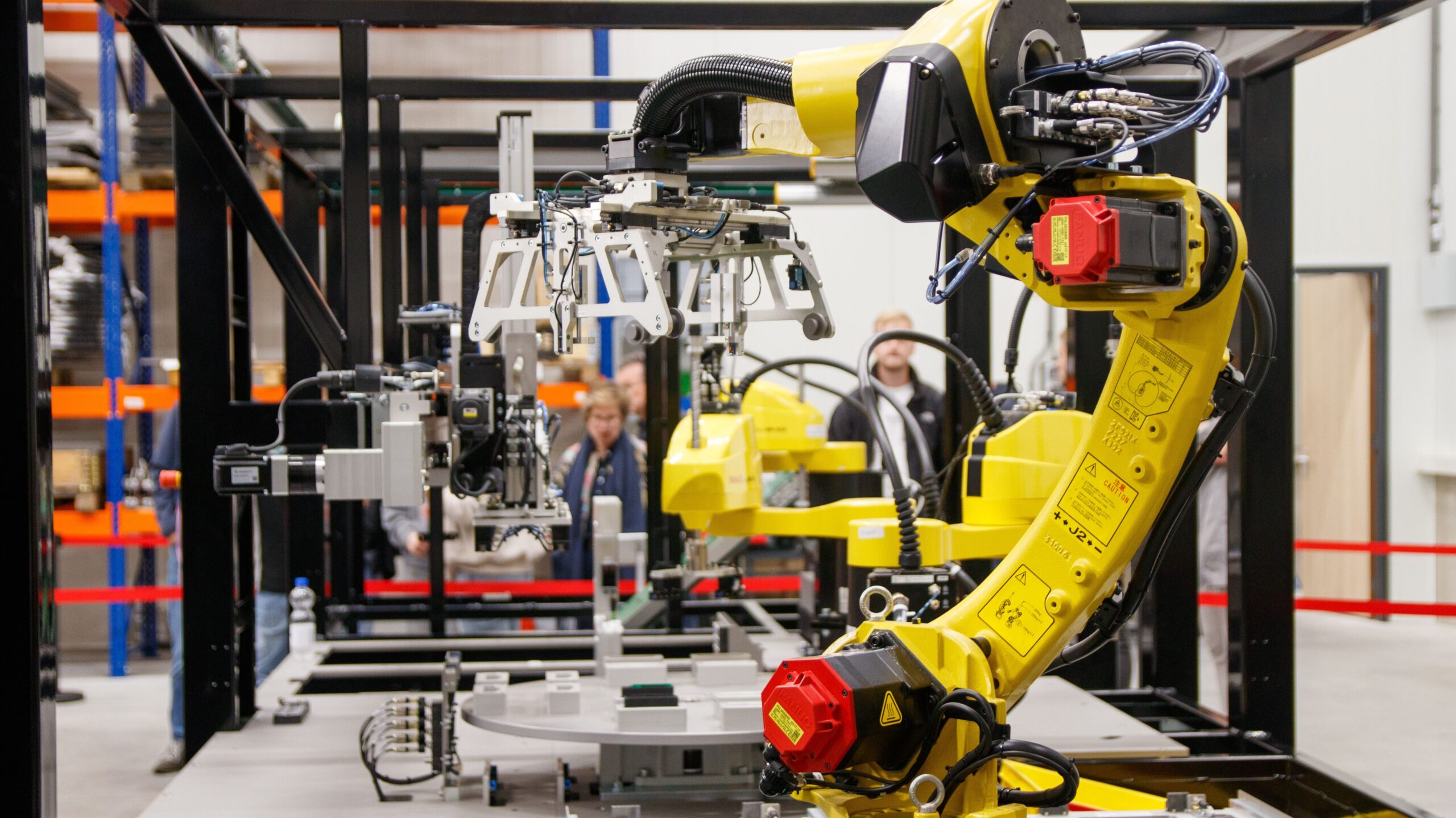
AI is becoming more widely used in the manufacturing industry to boost productivity and efficiency, plan maintenance schedules, and make better decisions. By leveraging AI applications, businesses can utilize vast amounts of operational data and find ways to optimize their processes to minimize downtime and boost efficiency.
The Rise of Smart Factories
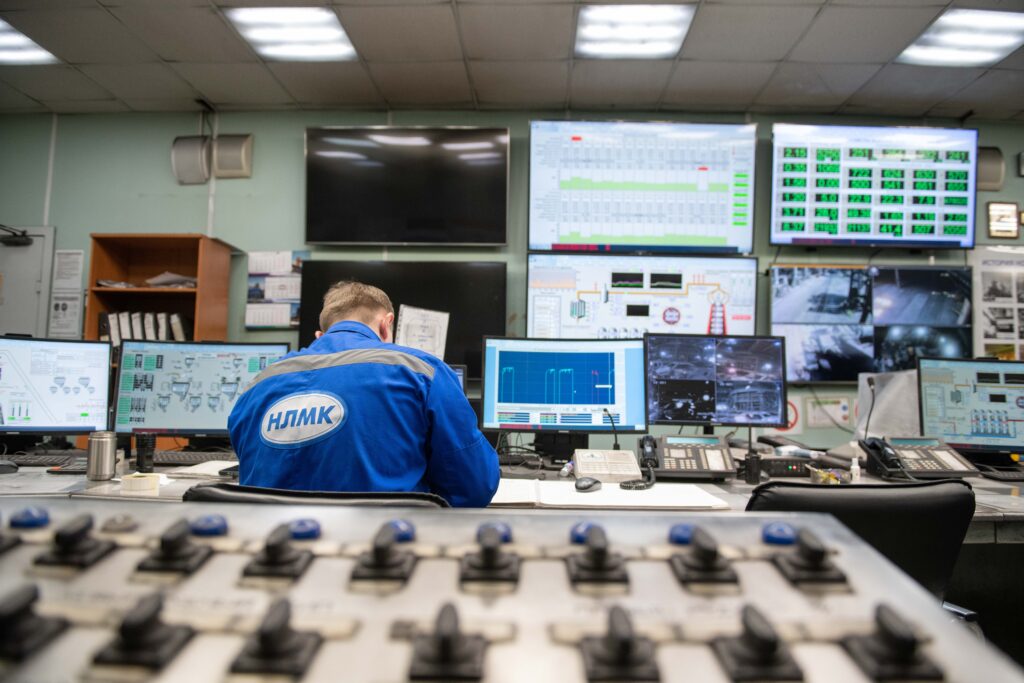
The use of sensors, data platforms, and automation technologies is making connected factories more common. A control system that has been designed with a smart manufacturing system can enhance the visibility condition of the manufacturing system and allow companies to react faster to changes in market demands.
Supply Chains Get Stronger
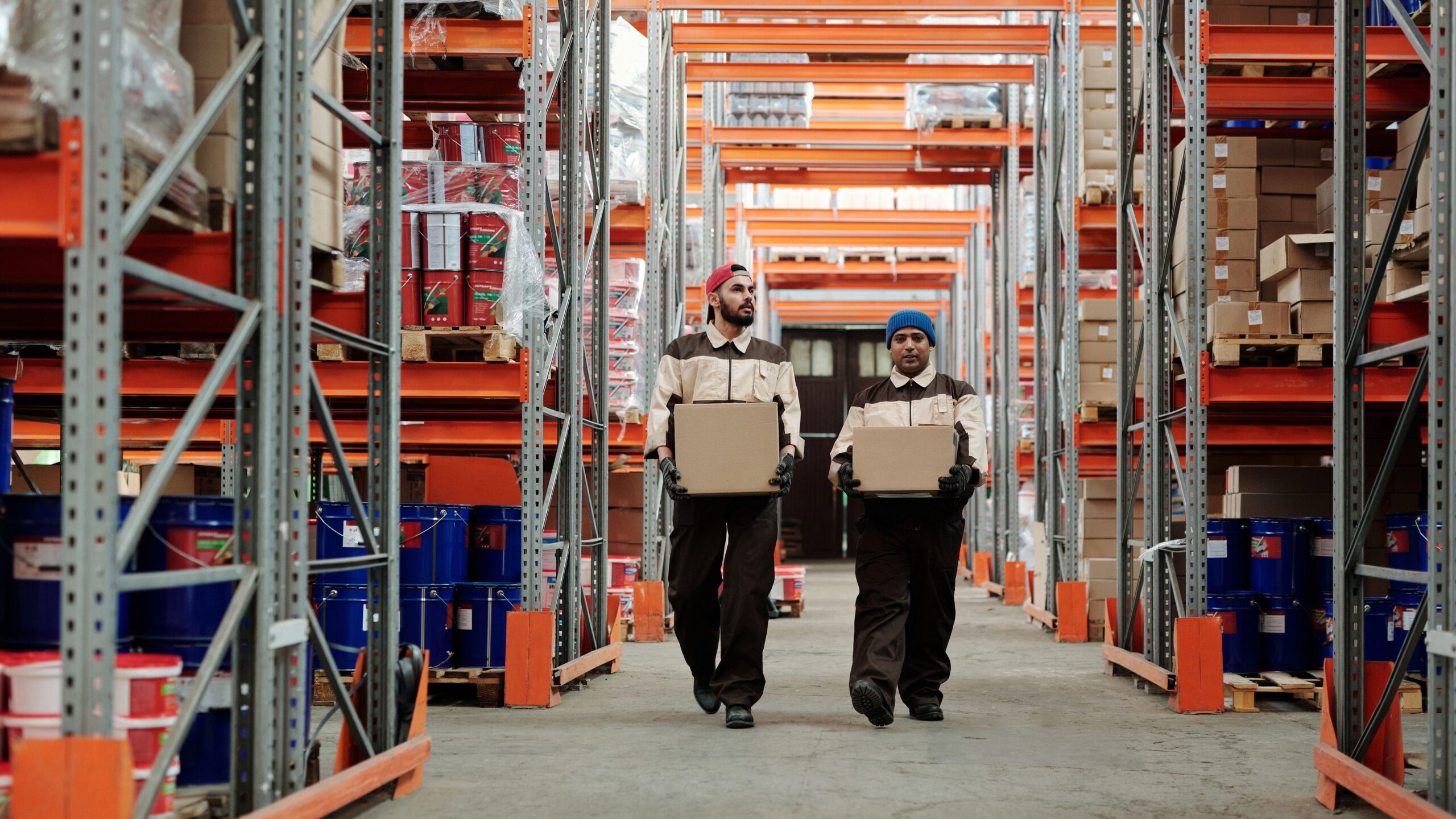
Manufacturers have been forced to re-evaluate their supply chain strategies in recent disruptions. There is a lot of activity addressing the issue of resilience with supplier diversification, improving inventory management, and visibility into global operations.
Labor Shortages Persist
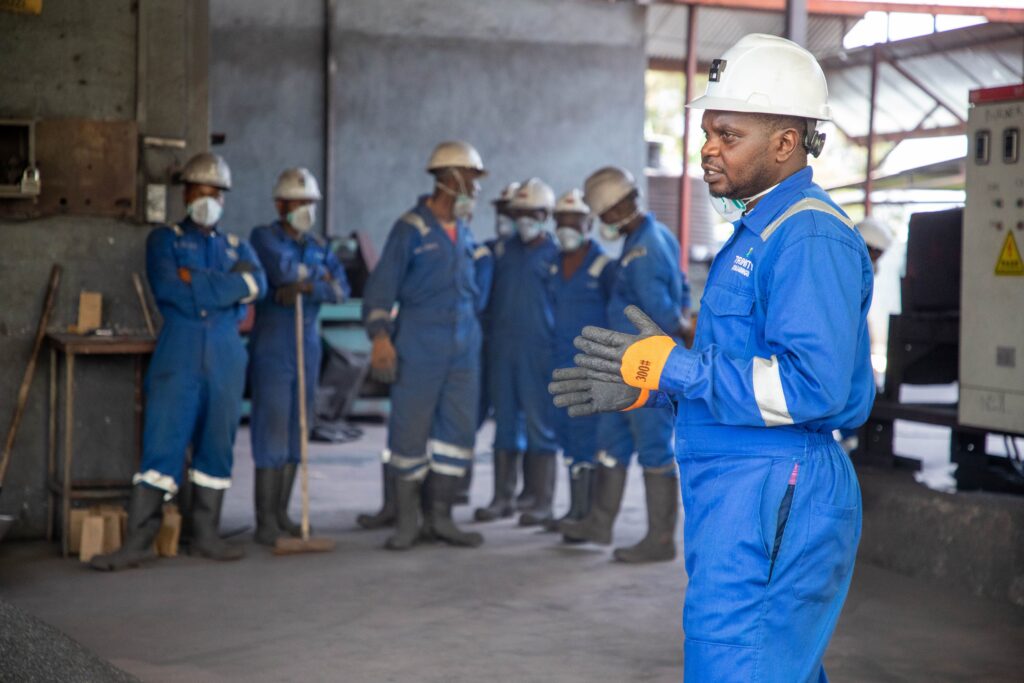
Employers face challenges in hiring employees with specific skills. There is growing investment in employee training and reskilling initiatives, as well as technological solutions, to meet the challenge of labour shortages and adapt employees to new production contexts.
Sustainability Takes Center Stage
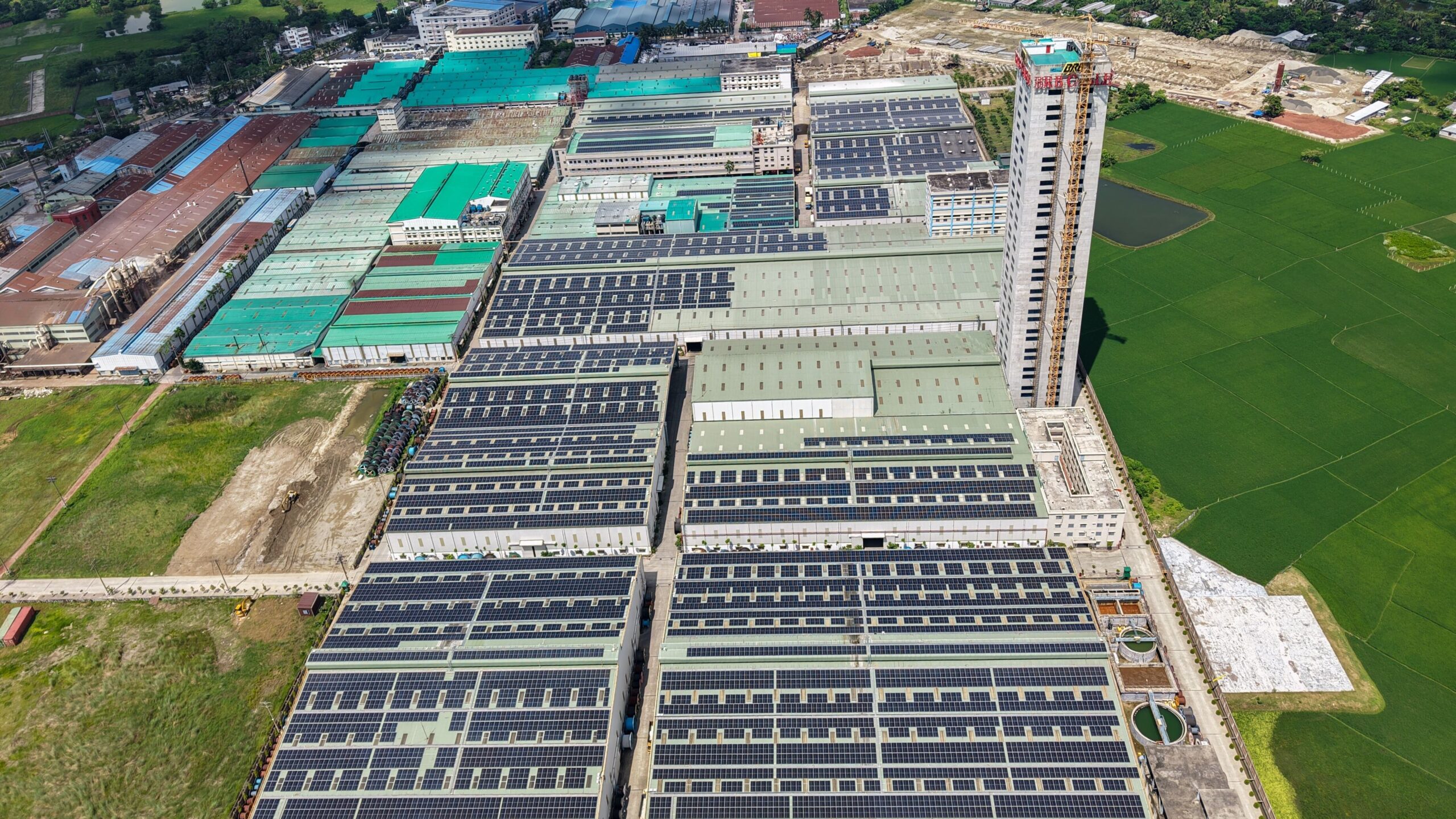
The approach to manufacturing is increasingly being shaped by environmental goals. Firms seek to enhance energy efficiency, lower emissions, and implement greater sustainability measures in their production and supply chain processes.
Cybersecurity Risks Continue to Grow

With increasingly connected manufacturing operations, cybersecurity is gaining in importance. Data protection for operational technology systems and protection of critical business and production data are increasingly a focus of companies.
Automation Investments Grow
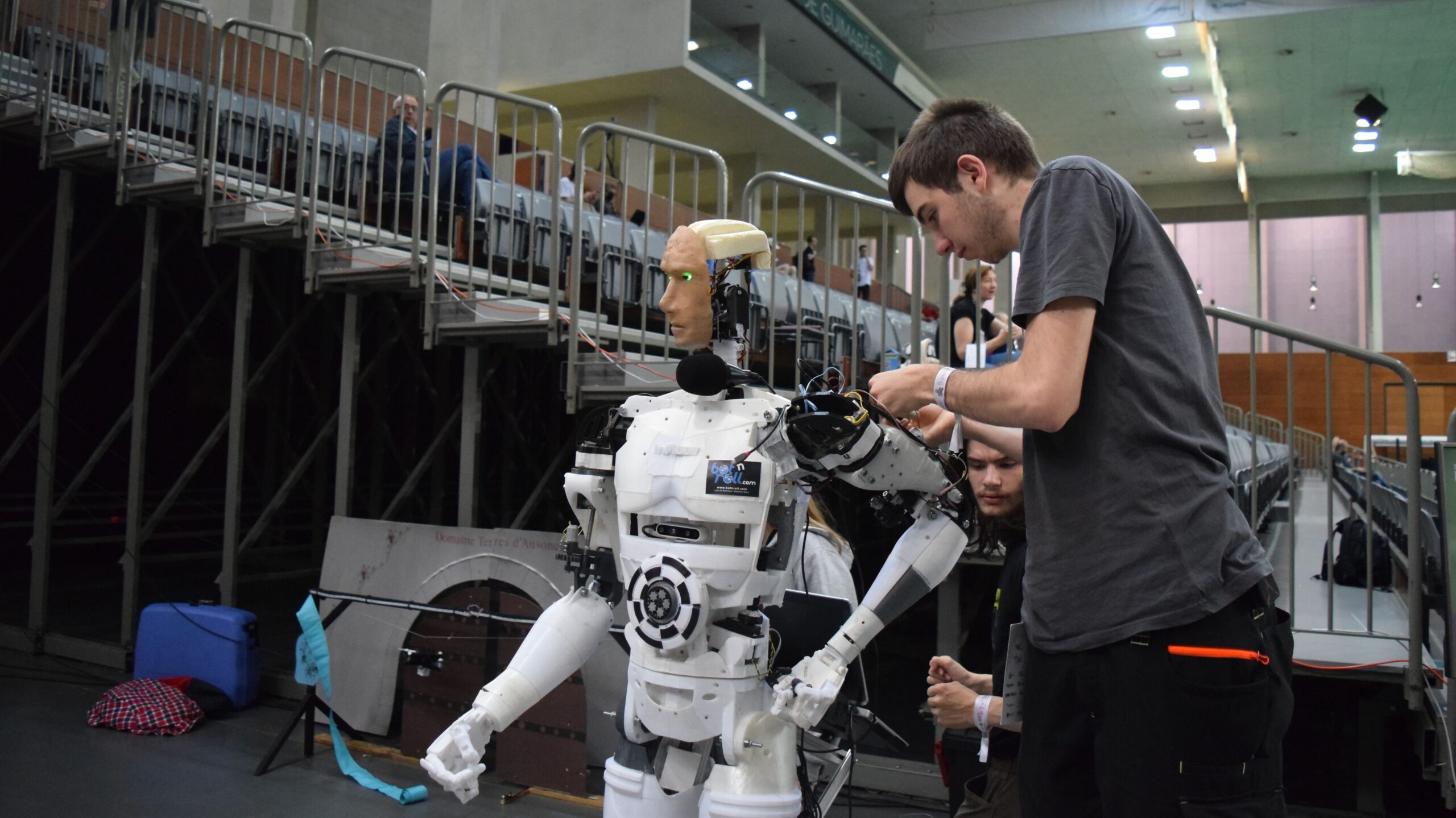
Manufacturers are turning to automation technologies to help fill labor gaps and boost productivity. Companies are turning to automation for its efficiency and flexibility of operation, from robotics to advanced process controls.
