
Leaders are about to face a new era of investor pressure, economic instability, AI, and leadership changes, driving a reconsideration of how companies are run. As outlined in a new governance report, there are five emerging priorities that are impacting long-term corporate strategy and reshaping boardrooms.
CEO Succession Is Becoming More Urgent

Many CEOs are still in their leadership roles past the “retirement age,” putting boards under pressure to enhance leadership pipelines and plan for future transitions. Companies are starting to view succession planning as a strategic, continuous process rather than an emergency.
More Companies Are Planning Leadership

Succession planning is a proactive process undertaken by boards when companies are doing well. New data shows that directors are acting sooner to match leadership to future business requirements instead of when there are clear signs of underperformance.
Boards Are Looking for New Skills

Rapid technological and economic changes are driving a greater need for directors who have experience and expertise in technology, cybersecurity, and human capital management. Boards are reviewing whether they are fit for their future challenges.
Board Refreshment Is Gaining Importance

There is increasing focus from many companies on the regular refresh of the board and the performance of the directors. Board stagnation, says governance experts, can be susceptible to strategic blind spots and scrutiny from investors.
Geopolitical Risks Remain Top Concerns

Geopolitical and economic uncertainty are among the top risks for corporate boards for the third year in a row. Instead of being temporary disruptions, tariffs, regulatory shifts, and global conflicts are increasingly considered long-term operating conditions.
Resilience Is Becoming a Competitive Advantage

Resilience and agility have become key leadership attributes of the day on boards. Companies are increasingly concerned about how well they can handle uncertainty, keep operations running smoothly, and cope with long periods of disruption.
AI Oversight Is Becoming a Board-Level Priority

AI has become a big governance concern and issue in a flash. Whilst AI is a topic that is talked about by many businesses, boards are beginning to pay attention to the opportunities and risks associated with AI and establish governance structures and responsibilities.
Companies Are Building AI Governance Frameworks

Many boards are embedding AI oversight into existing risk and strategy processes as a way to enhance rather than create new systems. As AI becomes more prevalent, businesses place a greater emphasis on accountability, risk management, and preparedness.
Shareholder Activism Continues to Rise
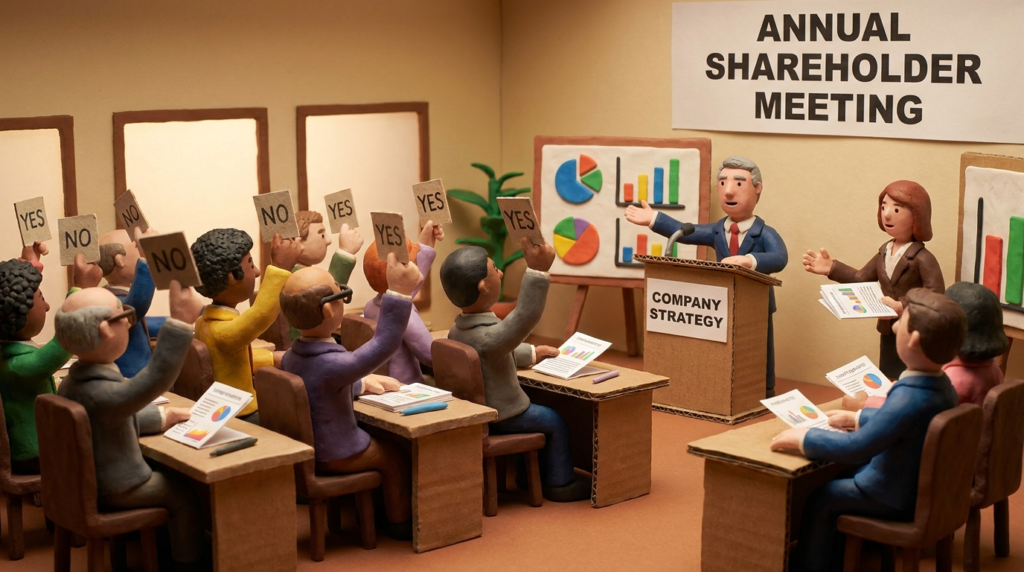
Shareholder activism has emerged as a constant governance challenge. Proactive governance and communication are even more critical as activist shareholders focus increasingly on leadership, strategy, and board composition.
Preparedness Is Becoming a Governance Strength
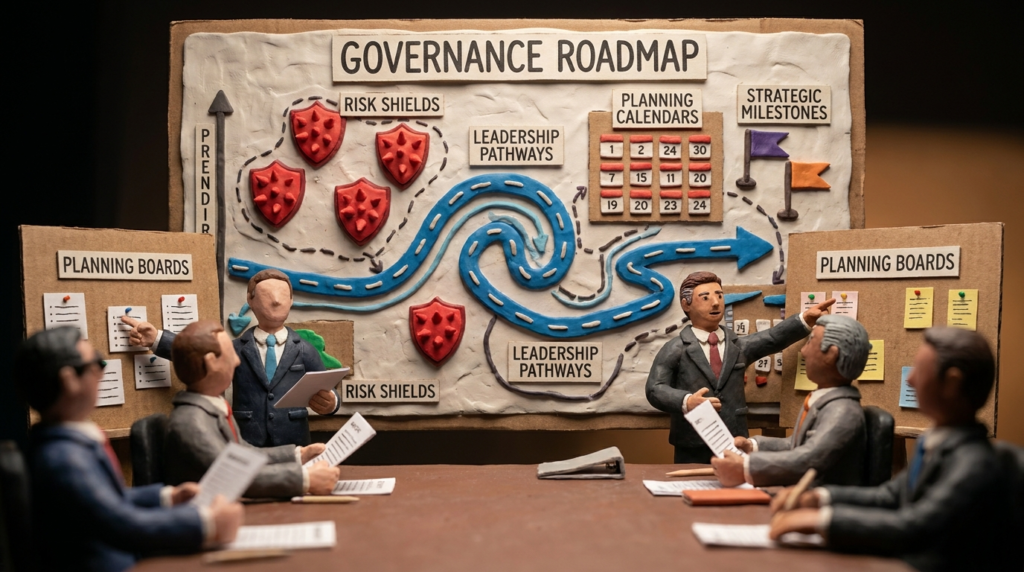
It concludes that effective governance can no longer be achieved through a few quick fixes but requires ongoing governance. Leaders who are developed early and boards that are doing so with both risk management and strategic planning could be better prepared for future challenges.
