
While the remote-work debate might be less heated than it was a couple of years ago, it seems as though hybrid work doesn’t appear to be going away anytime soon, according to new research. Many Americans are already moving past the shock of the pandemic, as remote work has now settled for good, above pre-pandemic levels, according to a Federal Reserve Bank of St. Louis report.
Remote Work Has Reached a New Normal

Work-from-home rates have reached a plateau of sorts, as opposed to the steady downward curve after rising during the pandemic and plummeting by several points before it stabilized.
WFH Remains Well Above Pre-Pandemic Levels

The Fed determined that work-from-home rates in 2023 and 2024 were about 60% higher than they were prior to the pandemic. This means that the transition is not temporary, but structural, the researchers say.
Fully Remote Work Has Changed Permanently

The American Community Survey estimates that approximately 14% of workers worked from home in 2023. If earlier trends had persisted, it would have been about 5-6%.
Hybrid Work Is Driving the New Plateau

With the growth of workers working from home and the office, today’s high rates of work-at-home have been maintained. Some businesses have established plans for 2-3 alternate days of work at home per week.
Economic Models Predicted This Outcome
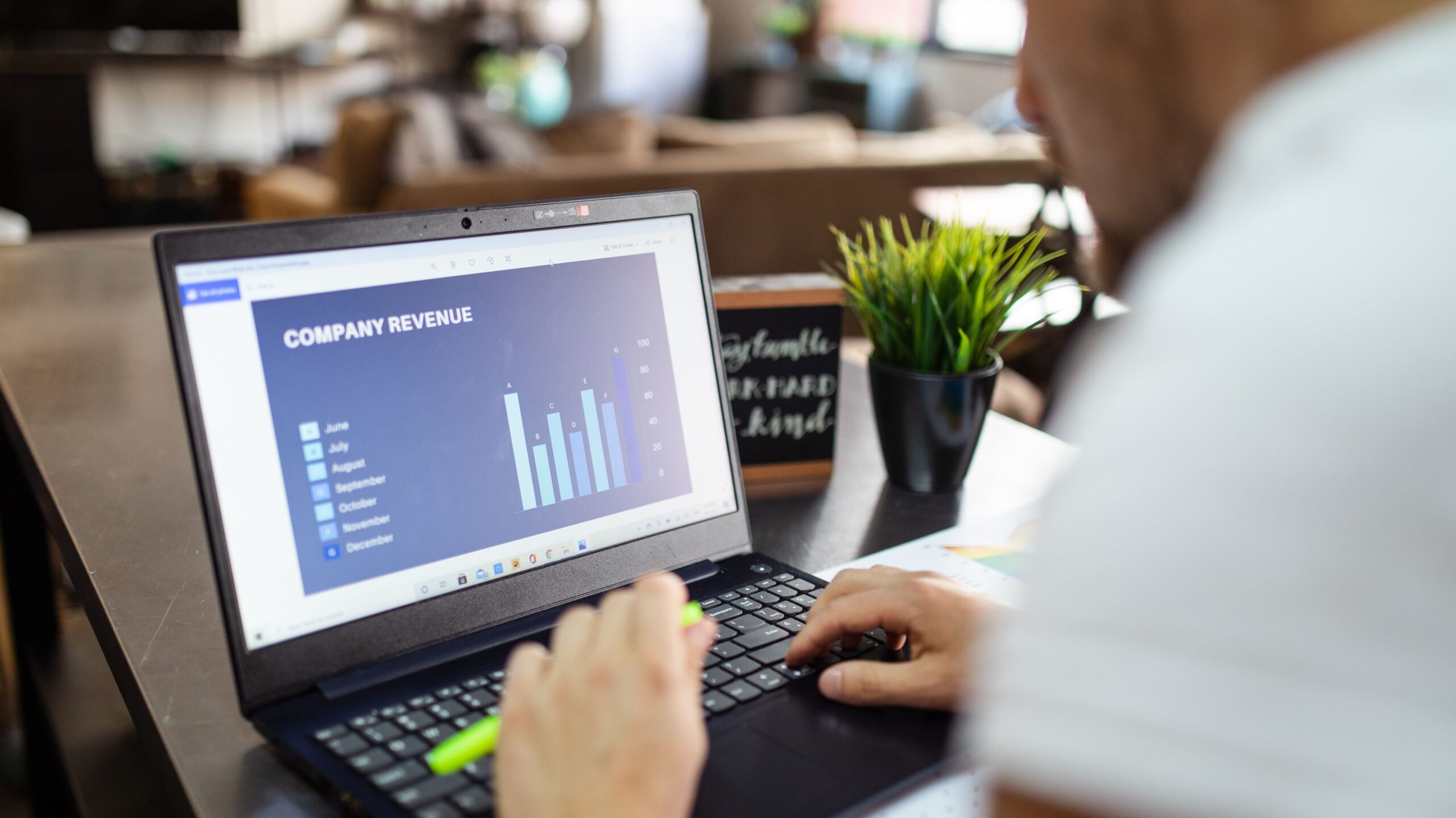
The model, created during the pandemic, predicted that work-from-home policies would remain high well after health issues had passed. The actual 2024 data was quite similar to those initial forecasts.
Flexible Work is Transforming Office Planning
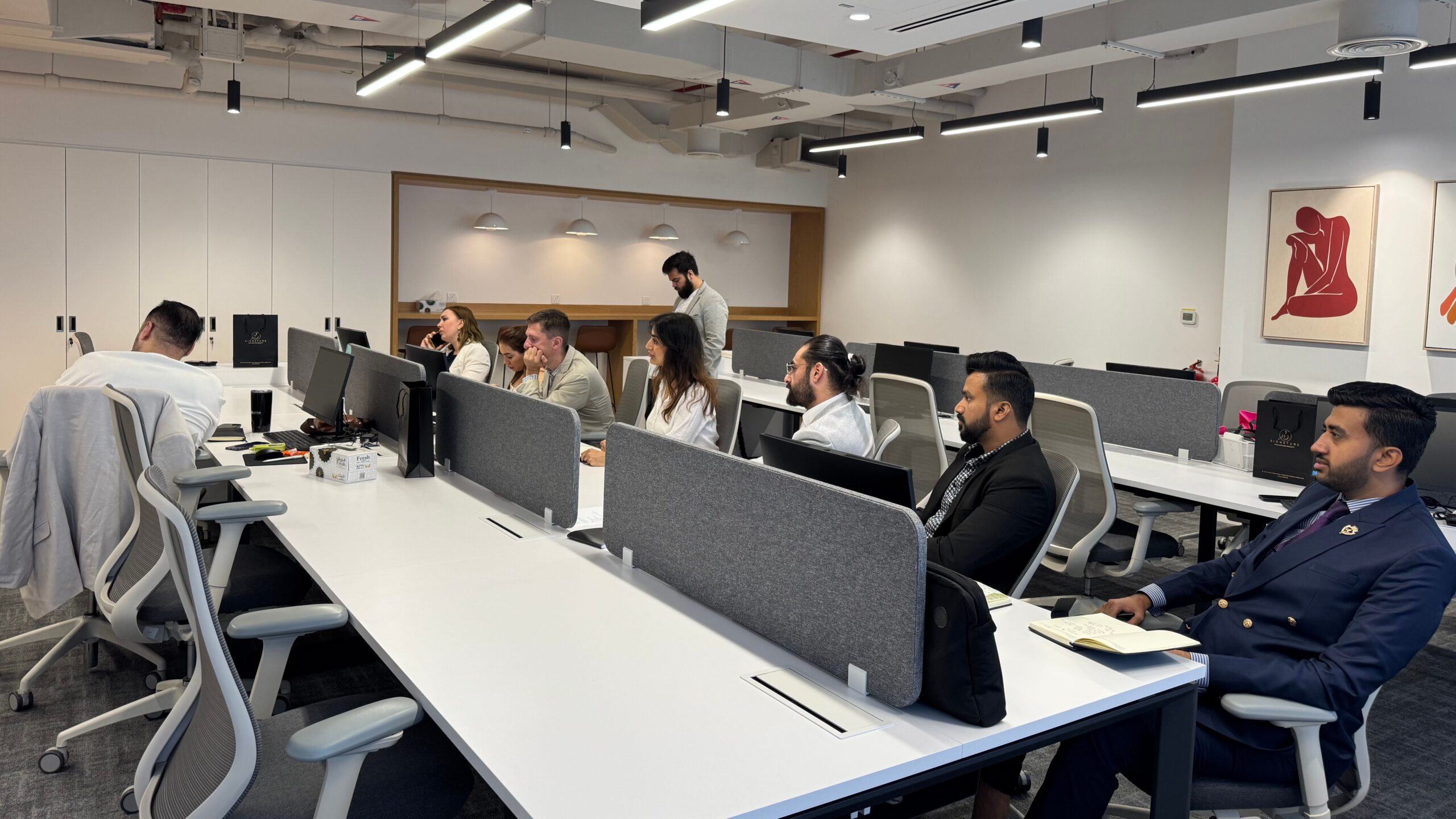
But if hybrid work is a permanent change, companies have to reconsider how to re-imagine their offices, schedules, and investments in collaboration tools, instead of assuming a full return to the old way of working.
Remote Work Is Expanding Talent Pools

Companies that offer hybrid or remote arrangements can recruit talent from a broader geographic area. Employers facing skills shortages increasingly view flexibility as a competitive advantage in hiring.
Job Postings Still Advertise Flexibility
The proportion of job postings that included the keywords remote or hybrid work increased significantly during the pandemic and has stayed high. This indicates that there are still a lot of employer that recognizes flexibility as a top recruitment resource.
Return-to-Office Mandates

Absolutely, there are some companies that have put in place a more rigid office attendance policy, but national data indicate that hybrid and remote work are far more prevalent than pre-pandemic.
Hybrid Work Is Becoming a Strategic Decision

The Fed’s conclusions imply that businesses will need to consider hybrid as more of a permanent business model than a stopgap measure. The decision to incorporate workplace flexibility may impact recruitment, retention, and productivity practices for years to come.
