
Artificial intelligence is transforming the way businesses can automate tasks, enhance productivity, and make better decisions. However, as AI is becoming more widespread, both regulators and courts are increasingly focused on the use of AI. The greatest danger is not using the AI but using the AI without proper oversight, say legal experts who warn of more risks than they offer. These are 10 steps businesses can take to enhance their AI governance policies and minimize legal risk.
AI Is No Longer Just an IT Issue
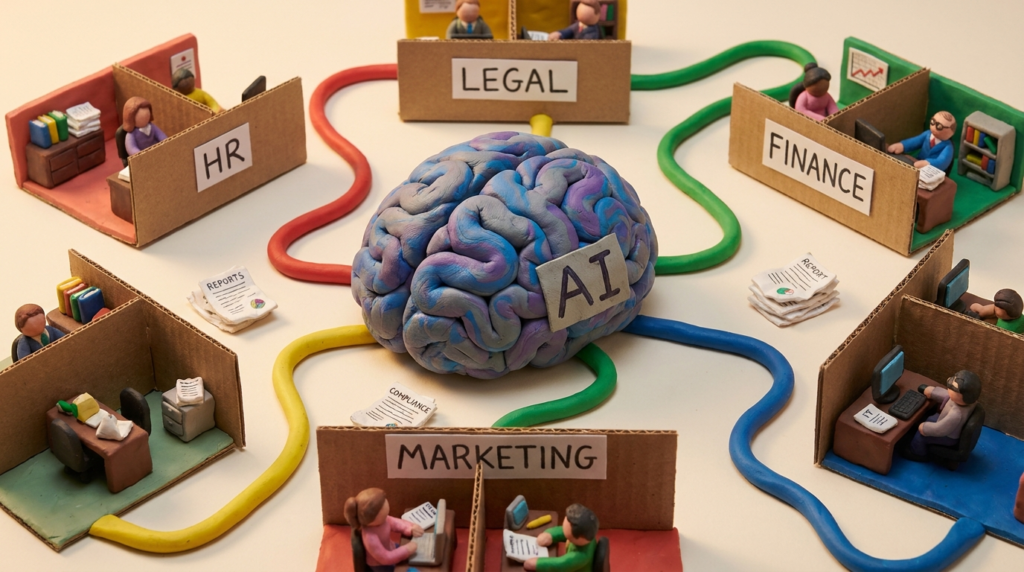
From hiring to contracts, customer service to marketing, compliance to financial decisions, AI is everywhere in the hiring process. This has made AI governance a cross-business initiative, not only for technology teams but also for legal and compliance teams and those in leadership positions.
Regulators Are Increasingly Focused on AI
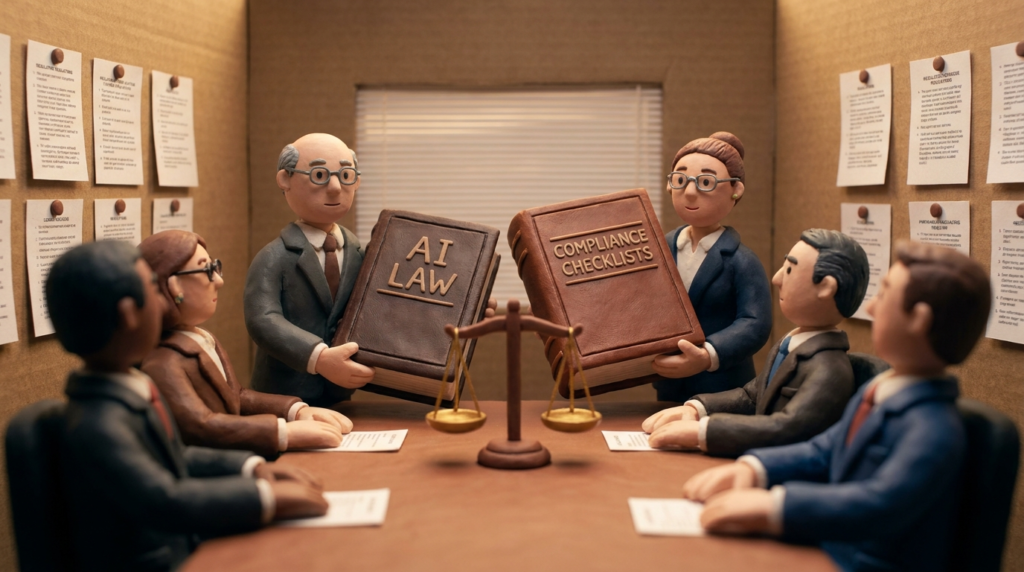
AI is shifting from innovation to legal and compliance concerns with the European Union’s AI Act and related initiatives. Global businesses could be increasingly subject to inquiries over the oversight of their AI systems.
Unmanaged AI Adoption Creates Risk

There are already users of AI tools who are using them informally for drafting documents, analysing information, or creating ideas. Businesses that are not aware of where AI is being applied could have difficulties in effectively managing their legal and operational risks.
Organizations Need to Map AI Usage

The first step in AI governance is to know where and how AI is being used. If companies do not have a clear view of the adoption of AI across various departments, it can be challenging to track and manage risks or implement measures to protect themselves.
AI Use Cases Should Be Classified by Risk
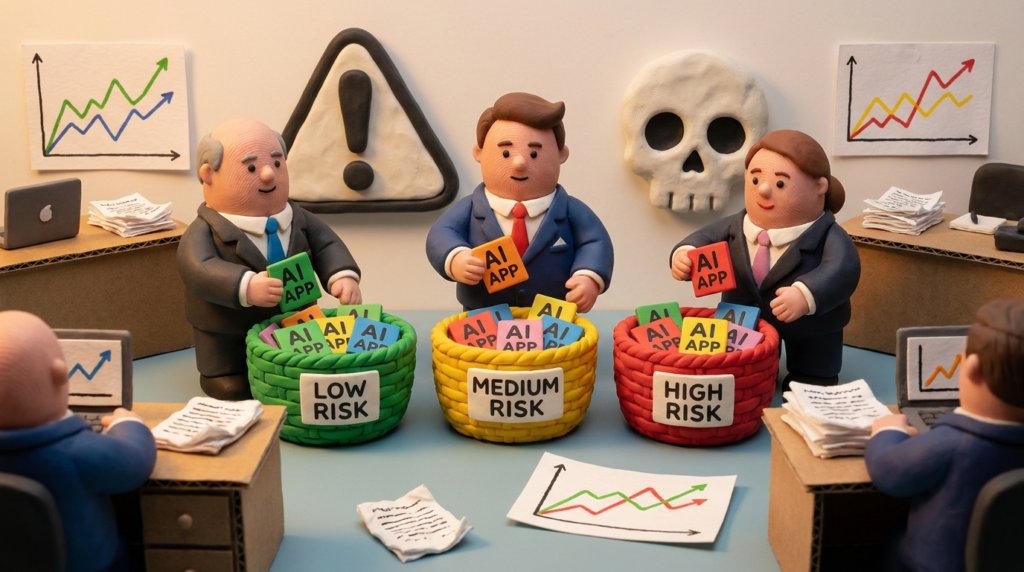
Some AI applications are riskier than others. This is quite a different use case than artificial intelligence topics for financial decisions, brainstorming marketing ideas, or providing customer advice. Typically, higher-risk applications will need more supervision.
Every AI System Should Have an Owner
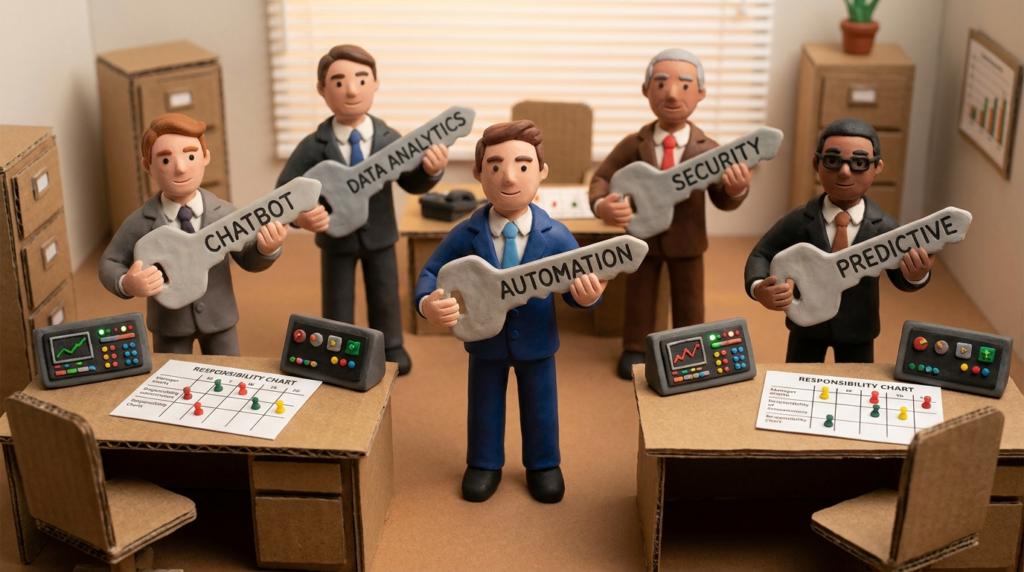
The responsibility for each AI system is increasingly said to be assigned to one person in the organisation. Defining ownership can enable businesses to track efficiency, control risk, and deal effectively with problems when they occur.
Documentation Is Becoming Essential
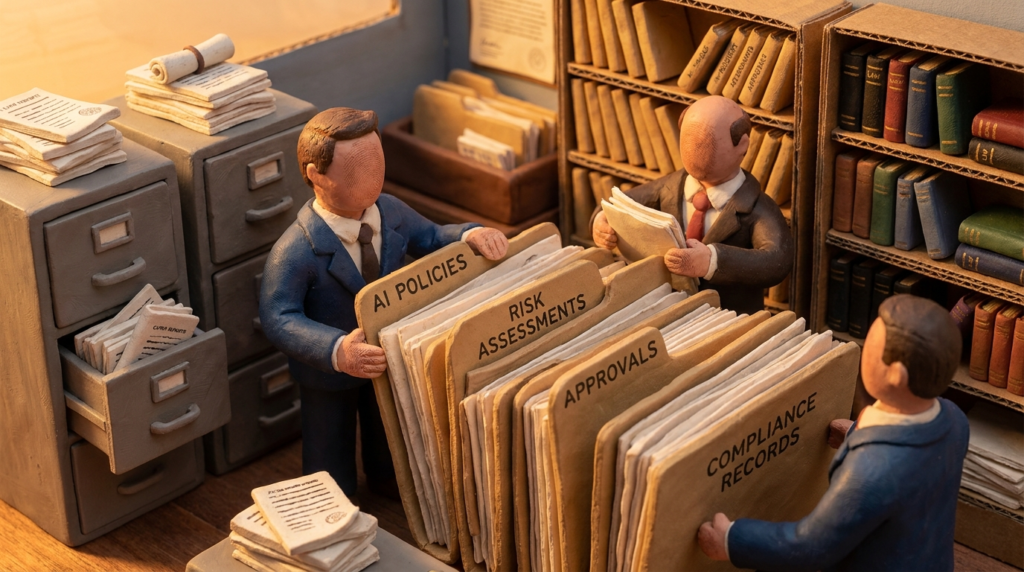
As companies proceed with their AI adoption, they may be required to explain why they chose specific AI tools, the risks they identified, and the measures they took to mitigate those risks.
Employees Need Training on AI Limitations

The training should not just focus on teaching employees how to utilize AI tools. The workers need to grasp the need to verify the output from AI and where human judgment is still necessary.
Courts Are Scrutinizing AI-Generated Errors

There have been several legal cases that illustrate the risks of doing so with AI-generated information that is wrong. The incidents mentioned underscore the need for caution when using AI-generated content and not taking it as gospel.
Responsible AI Governance Can Build Trust
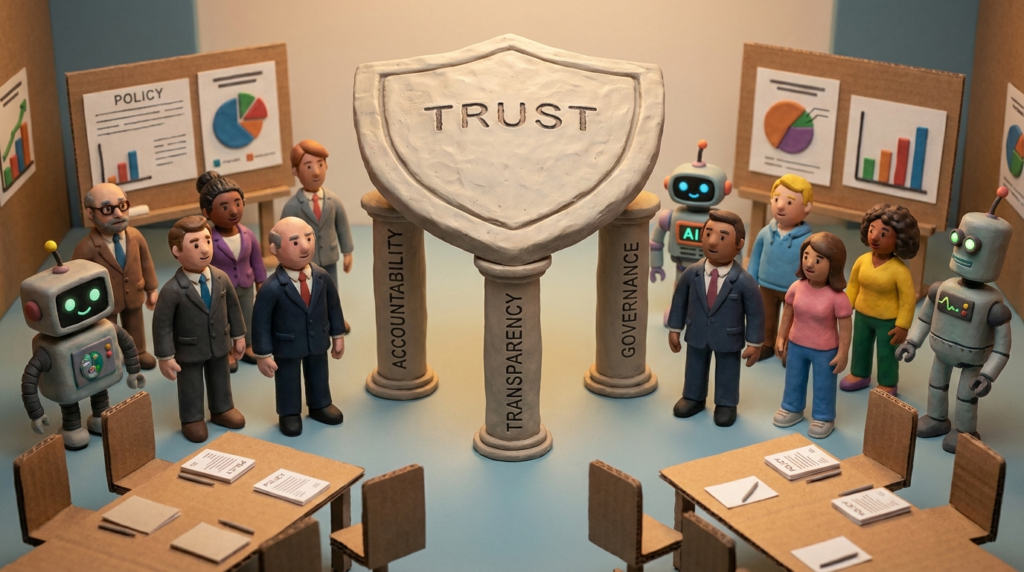
Lawmakers are actively grappling with the implications of AI. Some legal professionals state that organizational structures are key. Organizations need strong governance, accountability, and oversight procedures.
