
Today’s businesses have access to more data than ever, ranging from customer purchases to website traffic, supply chain performance to employee productivity. Providing a company with the ability to effectively analyze this information can give it a tremendous edge over its competitors. Many businesses are increasingly turning to data to inform decisions across almost all departments, making it more than mere guesswork or previous experience. With the advancing technology, data-driven decision-making is becoming a core element in the successful functioning and development of businesses.
Businesses Can Understand Customers Better
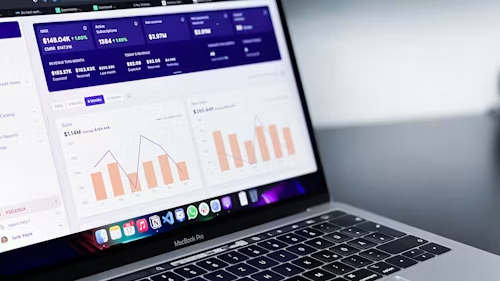
Data enables a company to come to an understanding of customer preferences, buying behaviors, and patterns. It is this data that can help companies develop more personalized products, services, and marketing campaigns to better meet the needs of customers.
Marketing Becomes More Efficient

Companies can monitor the performance of campaigns in real-time, rather than taking a guess at which ads will perform well. Data analysis can aid businesses in optimizing their marketing budgets and enhancing their ROI.
Decision Making Becomes Faster

Real-time information empowers leaders to make prompt decisions in response to market fluctuations, customer needs, and operational challenges. A quicker decision will often provide a competitive edge.
Companies Can Save Money
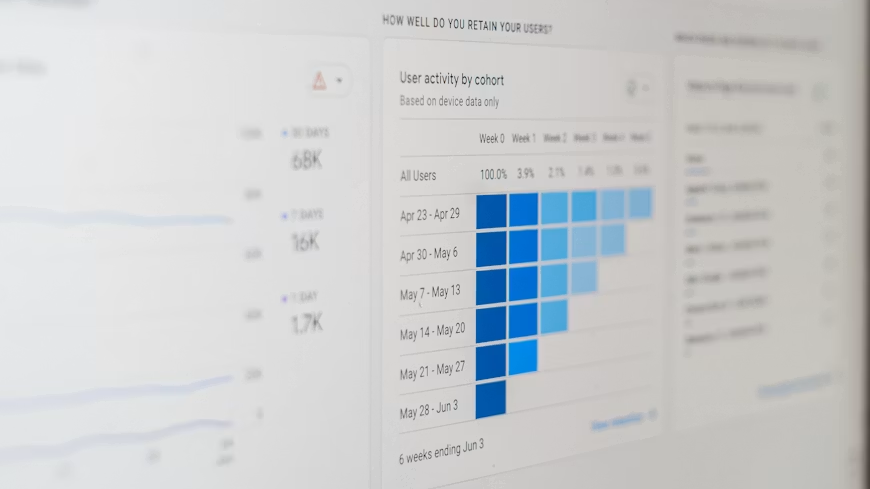
It would not be wrong to say that data analysis can identify inefficiencies in operations, inventory, logistics, and staffing. Addressing these problems can help companies save money and boost profits.
Forecasting Improves
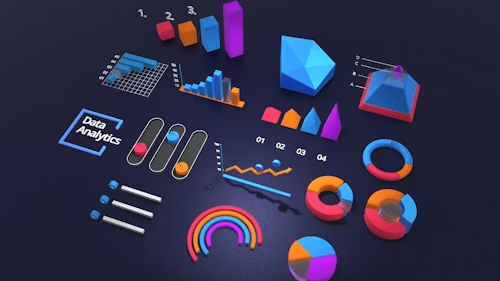
Historical and real-time data are utilized by businesses to foresee future sales, customer demands, and market trends. The better the forecast, the better the resources can be planned.
Customer Experiences Become More Personalized

Businesses make use of the information that their customers provide to suggest products, tailor services, and enhance user experiences. Personalization can result in higher levels of customer satisfaction and customer loyalty.
Risk Management Gets Stronger

In the financial sector, companies and retailers employ analytics to identify abnormal transactions and avoid losses. In the manufacturing industry, manufacturers rely on analytics to discover unusual patterns and avoid losses.
Measure Employee Performance Effectively

Data are now more commonly used to monitor productivity, participation, training success, and staffing patterns in a business. These insights can be used to inform management and professional development.
Innovation Becomes More Targeted

Instead of working off of guesswork, businesses can rely on data to uncover the customer’s needs that are not being met and new opportunities that are available. This can increase the likelihood of innovation success.
Competitive Advantages Grow Over Time

These companies that continually gather, dissect, and react to quality data typically make better choices than those who predominantly guess on gut feel. These benefits can accumulate over the years.
