The manufacturing industry is facing a time of both challenge and opportunity. Automation, AI, and supply chain technology are assisting manufacturers in increasing efficiency and productivity. Meanwhile, small enterprises are dealing with difficulties related to staffing, rising costs, geopolitical uncertainties, and changing trade policies. Industry information in recent months indicates some positive performance in manufacturing activity in certain areas, but businesses need to be flexible and agile to meet the challenges of an ever-changing industry.
Showing Signs of Recovery
Global factory activity is picking up in early 2026, according to recent manufacturing surveys. The Manufacturing PMI in February 2026 rose to 44 months’ high of 51.9, indicating growth in the majority of manufacturing industries. PMI above 50 is typically a sign of growth.
AI is Becoming a Major Growth Driver
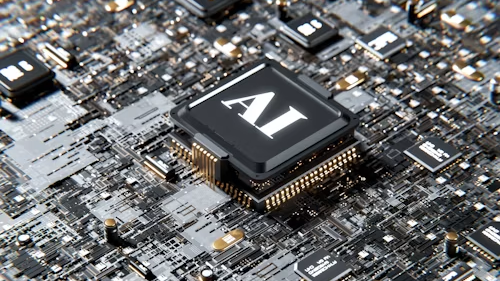
AI-related demand is now contributing to manufacturing production, especially in electronics and semiconductors, and high-tech production. In the U.S., experts have pointed to the investments in AI as one of the reasons for factory activity to remain steady amid other economic worries.
Labor Shortages Remain a Challenge
Firms continue to have problems finding and keeping qualified employees. Labor shortages have an impact on production capacity, labor cost, and expansion plans. Companies are reacting by investing more in automation and workforce development initiatives.
Supply Chain Risks Haven’t Disappeared

While supply chains have made strides since their disruptions during the pandemic, the geopolitical situation, shipping limitations, and energy market volatility remain sources of uncertainty. More and more manufacturers are diversifying their suppliers and considering strategies for regional sourcing.
Rising Costs Continue Pressuring Margins
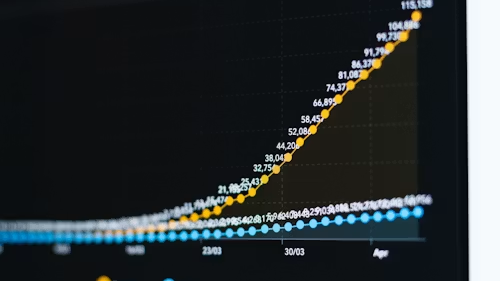
Manufacture costs increase due to increased labor, energy, transportation, and raw materials costs. In early 2026, manufacturing cost growth hit a three-year peak according to S&P Global, continuing a trend of inflationary pressures in the manufacturing sector.
Domestic Investment Creates Opportunities
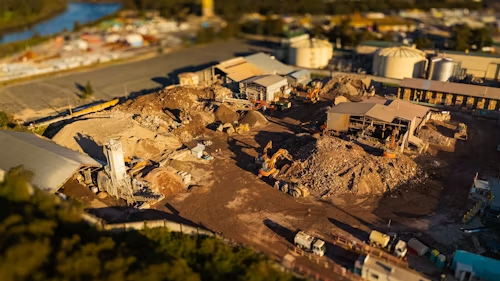
According to the U.S. Census Bureau, the U.S. manufacturing construction market has spent more than $185.7 billion per year on factories, industrial buildings, and structures, and is still near the historical average.
Foreign Investment is Valuable

In 2025, FDI in the United States grew to $232.2 billion, of which $121.8 billion went into manufacturing. More funds could be used to create jobs, adopt technology, and expand industry.
Digital Transformation is Accelerating

Industry 4.0 technologies like IoT sensors, predictive maintenance, cloud computing, robotics, and artificial intelligence-driven analytics are becoming more prevalent among manufacturers. They can increase efficiency, minimize downtime, and streamline production processes.
Sustainability is Becoming a Competitive Advantage
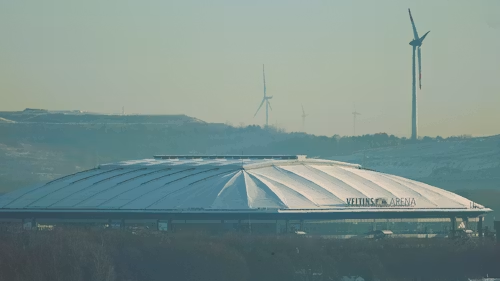
Environmental performance is increasingly on top of the agenda for the customer, investor, and regulator. Energy efficiency, waste reduction, and sustainable practices can offer operational advantages and a boost to a manufacturer’s reputation.
Regional Performance is Becoming More Uneven

While some regions are experiencing manufacturing growth, others continue facing challenges. India’s manufacturing rose robustly in early 2026, but that’s not the case everywhere else. Parts of Europe, such as Germany and the UK, have experienced sluggish demand and high energy costs.
