
The industries are undergoing a revolution in technology at an unprecedented rate. As AI, connected devices, and next-generation computing continue to develop, businesses are finding new opportunities and ways that organizations are operating, competing, and providing value. Here are 10 important trends that will shape the future of innovation.
AI Is Moving Into the Mainstream
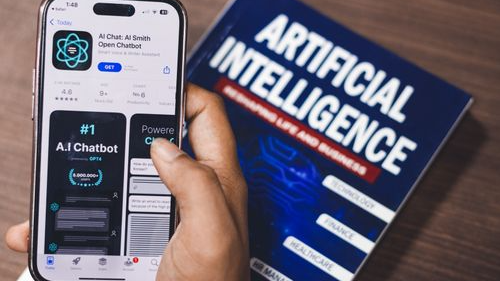
AI has progressed from a technology for research to one that’s been embraced by businesses. Businesses are leveraging AI technology to streamline processes, gain insights from data, enhance customer experiences, and aid decision-making.
Data Is Fueling Smarter Business Decisions

Today, organisations gather huge volumes of data via digital platforms, transactions, and devices. AI-driven analytics enables companies to recognize trends, comprehend consumer behavior, and uncover insights from vast amounts of data.
AI Is Transforming Multiple Industries
AI is being used in various fields, from detecting fraud in finance to assisting with diagnostics in healthcare. AI-powered tools are helping businesses to be more efficient, accurate, and effective.
Connected Devices Are Expanding Through Iot

The Internet of Things (IoT) is a network of interconnected sensors, software, and the Internet, linking physical items. These systems can be interconnected to enable businesses and consumers to collect and share data in real-time.
Smart Sensors Are Making Operations Easier
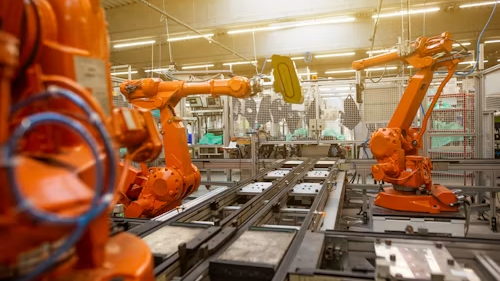
Sensors, powered by the Internet of Things, are being deployed by manufacturers, logistics firms, and infrastructure players to track equipment and assets and predict when they will need maintenance before a costly failure.
Smart Cities Are Becoming More Connected

It would not be wrong to say that smart cities globally are using connected technologies to enhance transport networks, control energy usage, manage the environment, and provide smarter public services.
Quantum Computing Could Unlock New Possibilities

Despite being in its infancy, quantum computing could eventually be able to solve problems that are too complex for current computers to do. It could be used in fields like cryptography, materials science, and the development of pharmaceuticals, among others, says the research team.
Edge Computing Supports Real-Time Applications
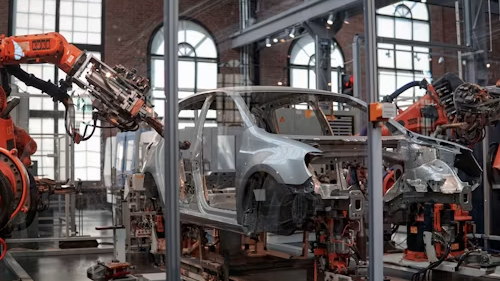
Edge computing involves taking data and using it closer to where it is created, as opposed to sending it all to centralized servers. This method decreases delays and enhances the performance of technologies like autonomous vehicles and industrial automation.
Digital Ecosystems Are Connecting Industries

New technologies are becoming more integrated and are being used in combination to build digital ecosystems. There are shared platforms for businesses, governments, and consumers that can facilitate data exchange, innovation, and new services.
Innovation Brings New Challenges

With the rapid pace of technology adoption, there are challenges like cybersecurity, data privacy, employee training, and changing regulations that must be tackled by organizations. The ability to navigate these challenges successfully will be crucial for growth and innovation in the long term.
