
Businesses struggle to forecast energy costs and prices. Weather-related, fuel market, infrastructure limitations, and global events can cause electricity and natural gas prices to rise or fall, impacting budgets, operations, and long-term investments. With the push for organizations to become more financially stable, it is becoming crucial for them to understand the price volatility of energy. The following 10 points are highlights.
Energy Costs Are Becoming Less Predictable

Some operating costs, such as electricity and natural gas, fluctuate quickly based on market conditions. This uncertainty adds difficulty to the budgeting process, especially if the organization has several facilities or energy-intensive processes.
Fuel Prices Directly Affect Electricity Costs
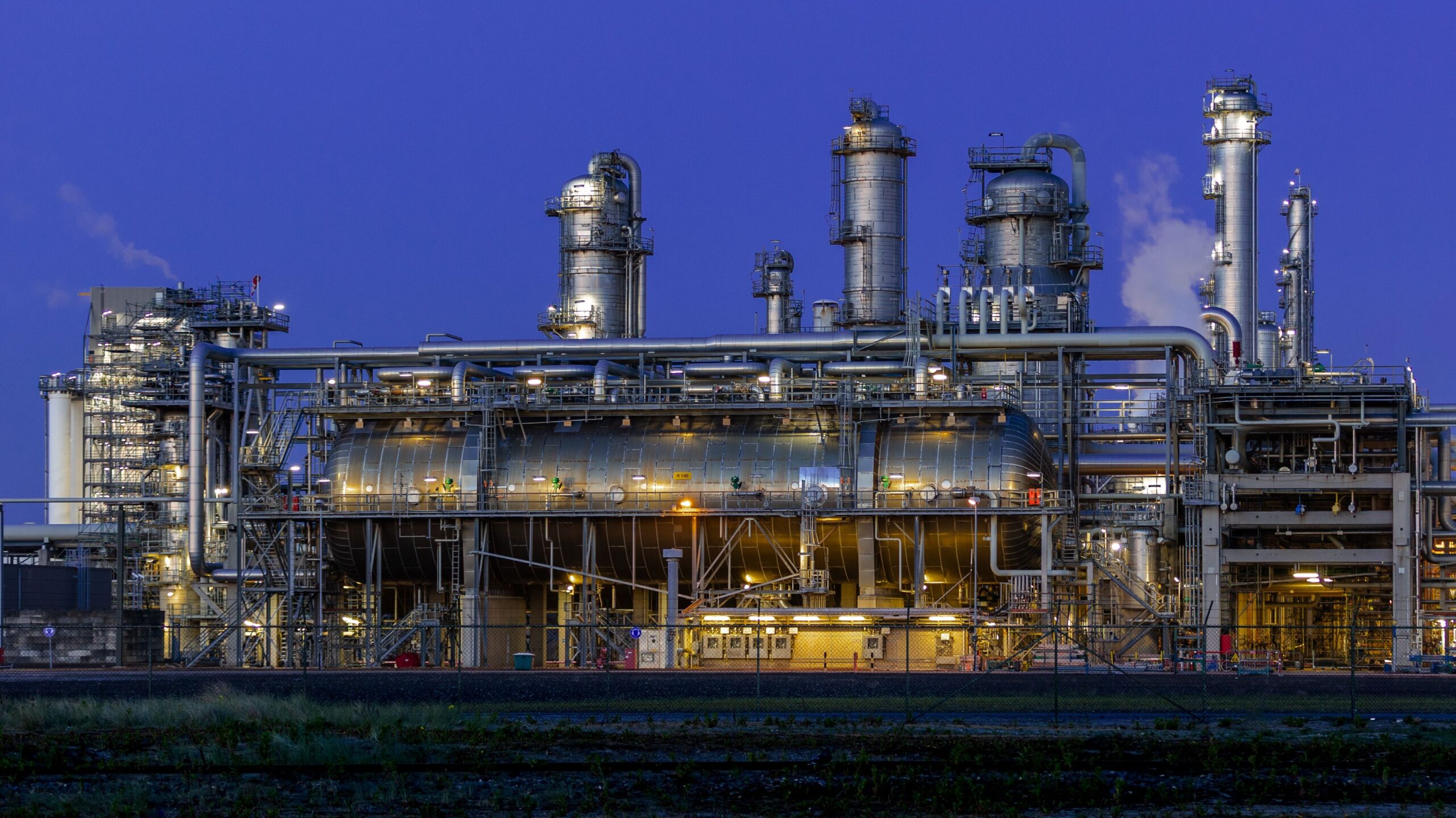
Natural gas continues to be a significant source of electricity generation in many areas. Fuel markets can be a significant source of energy costs for businesses when natural gas prices rise, and so can electricity prices.
Extreme Weather Can Increase Energy Bills
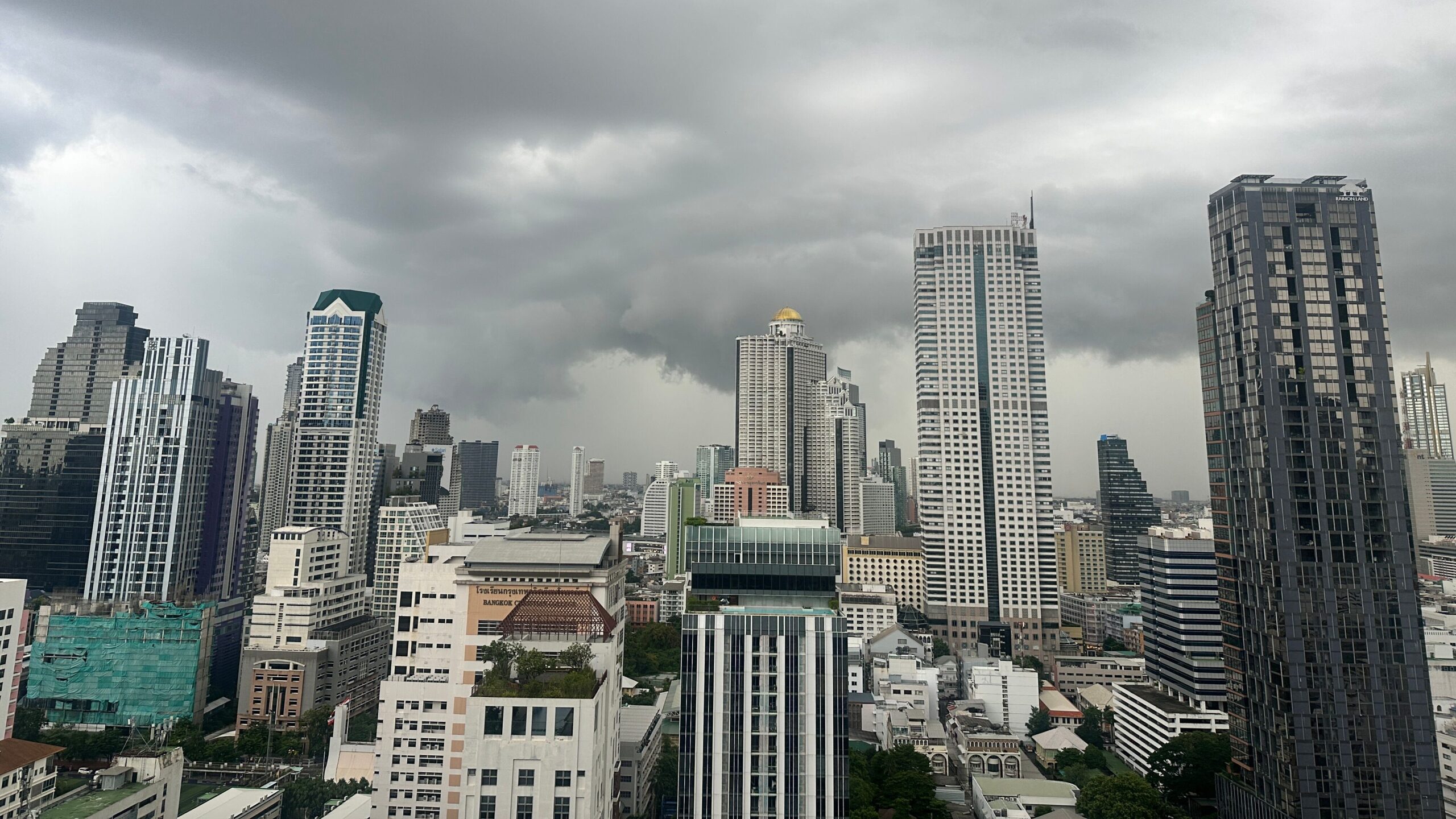
Extreme weather events such as heat waves, cold snaps, hurricanes, and severe storms can cause power outages or a spike in electricity consumption. These conditions usually cause temporary price increases and increased operating costs.
Grid Constraints Can Push Prices Higher
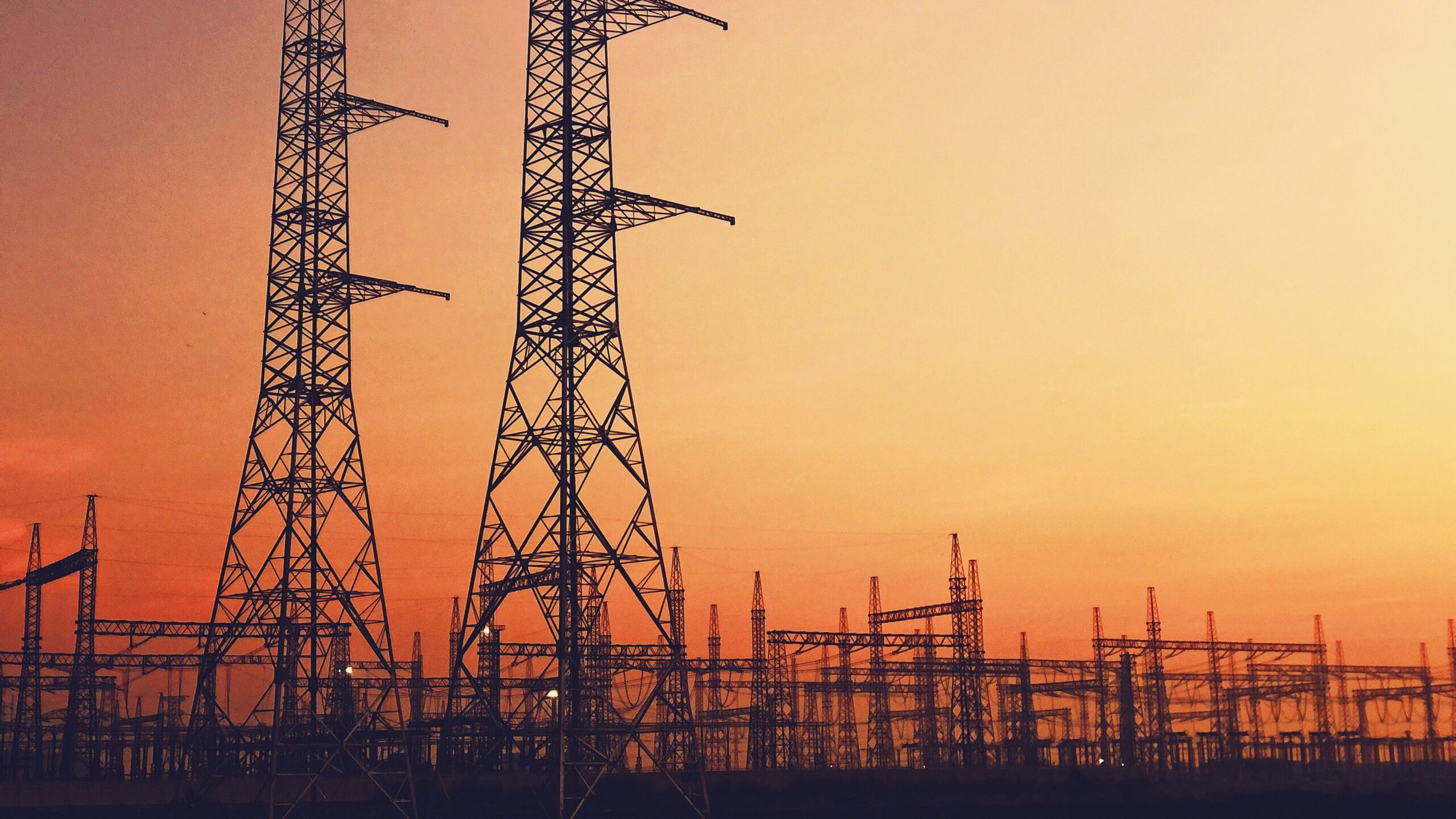
Electricity may be restricted from travelling from one region to another by transmission bottlenecks. If there is sufficient total electricity supply, but the local supply is congested, electricity prices for electricity-using businesses in the affected area may be higher.
Influence Local Energy Markets

Precarious global fuel markets can be impacted by major geopolitical events that result in increased electricity and natural gas prices in areas remote from the event.
Historical Utility Bills Are No Longer Enough

In the past, many companies used to estimate their future bills based on their previous bills from the utilities. Organizations, with today’s energy market volatility, are more likely to need to evaluate real-time consumption patterns and operational changes.
Energy Data Supports Better Forecasting

Tracking when, where, and how energy is used helps organizations create accurate budgets. Energy detail data can help to detect energy usage trends, enhance energy forecasting, and make more informed financial decisions.
Peak Demand Can Significantly Increase Costs

Some commercial electricity bills may feature demand charges for the highest demand for energy usage. Even if the electricity price doesn’t change, there is a cost advantage for reducing electricity use during high-demand hours.
Benchmarking Can Reveal Hidden Savings

Comparing energy performance across multiple facilities can help businesses identify inefficient locations, prioritize energy improvements, and improve overall operational performance.
Becoming a Strategic Priority

Energy management is becoming more and more a part of comprehensive business planning. Improved visibility of energy usage can help decrease financial uncertainty and enhance operational resilience over time.
