
Hybrid work is becoming a permanent solution for many companies as it has its benefits when working remotely and in-person. Leaders are putting an increasing emphasis on productivity in the workplace, along with attracting and retaining the very best candidates. Gallup, Microsoft, LinkedIn, McKinsey, and Gartner research indicates that a carefully engineered hybrid approach is likely to benefit both workforce engagement and business outcomes. The following are some of the trends that will drive hybrid work in the future.
Employees Prefer Flexible Work

Gallup reports that flexibility at work is one of the most valued benefits at the job, and many employees would choose to work hybrid rather than 100% in the office.
Hybrid Work Aids Retention
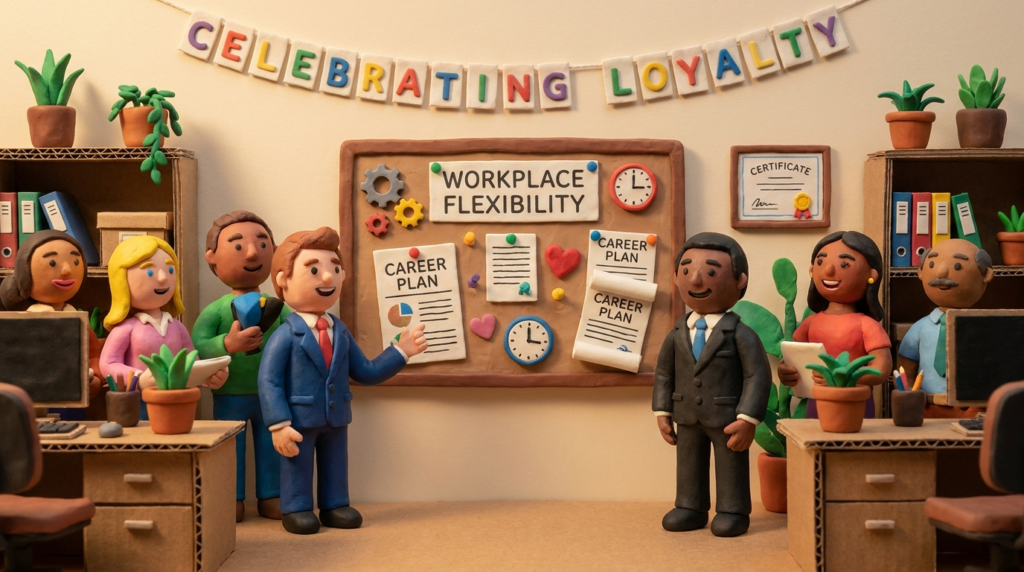
Workplace flexibility is a major consideration in an employee’s choice to remain with their current employer, according to LinkedIn’s Workforce Confidence Survey.
Productivity Depends on Good Planning

According to Microsoft’s Work Trend Index, organizations achieve better results when hybrid work is supported by clear expectations, collaboration tools, and effective management practices.
Offices Are Becoming Collaboration Hubs

But according to McKinsey & Company, numerous companies are redesigning their offices to foster teamwork, meetings, and innovation over desk work.
Technology Is Essential

According to Gartner, businesses continue investing in collaboration software, cloud platforms, and video conferencing technologies to support hybrid teams.
Communication Becomes More Important
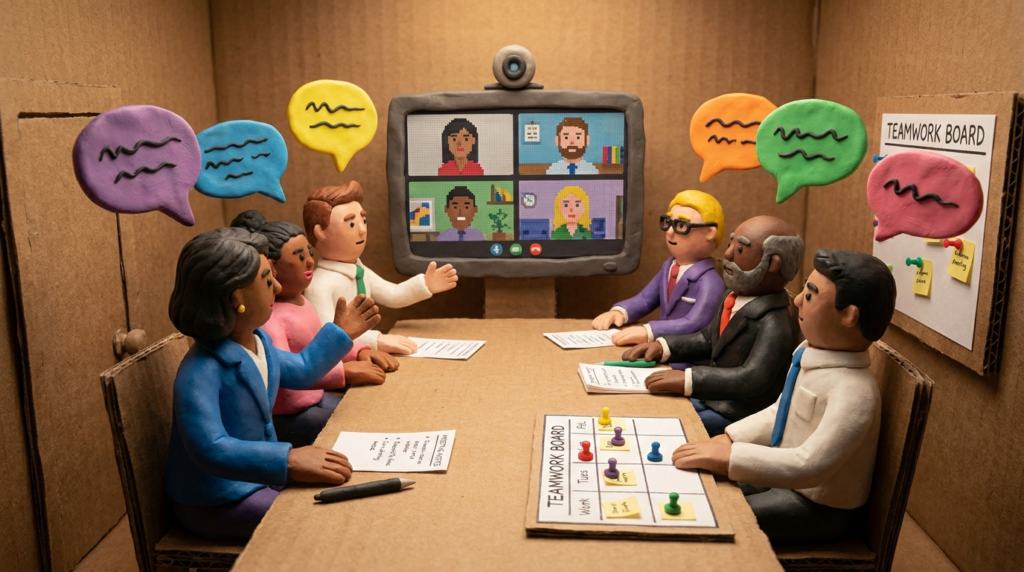
Gallup’s research indicates that frequent dialogue between leaders and workers aids in building engagement and alignment in flexible working cultures.
Employee Well-Being Remains a Priority

Catering to the well-being of employees has become a new priority for businesses, as it is linked to overall productivity, engagement, and long-term retention, according to Deloitte.
Performance Is Measured by Outcomes

Many companies, according to Microsoft, are moving away from tracking time to assessing employee productivity by results and business impact.
Leadership Skills Are Evolving

According to McKinsey, leading hybrid teams requires stronger communication, trust-building, coaching, and adaptability than traditional office-based management.
Hybrid Work Continues to Evolve

The World Economic Forum research indicates that flexible working arrangements are likely to remain complex and continue to change as companies adjust to new technology trends, shifting worker preferences, and business priorities.
