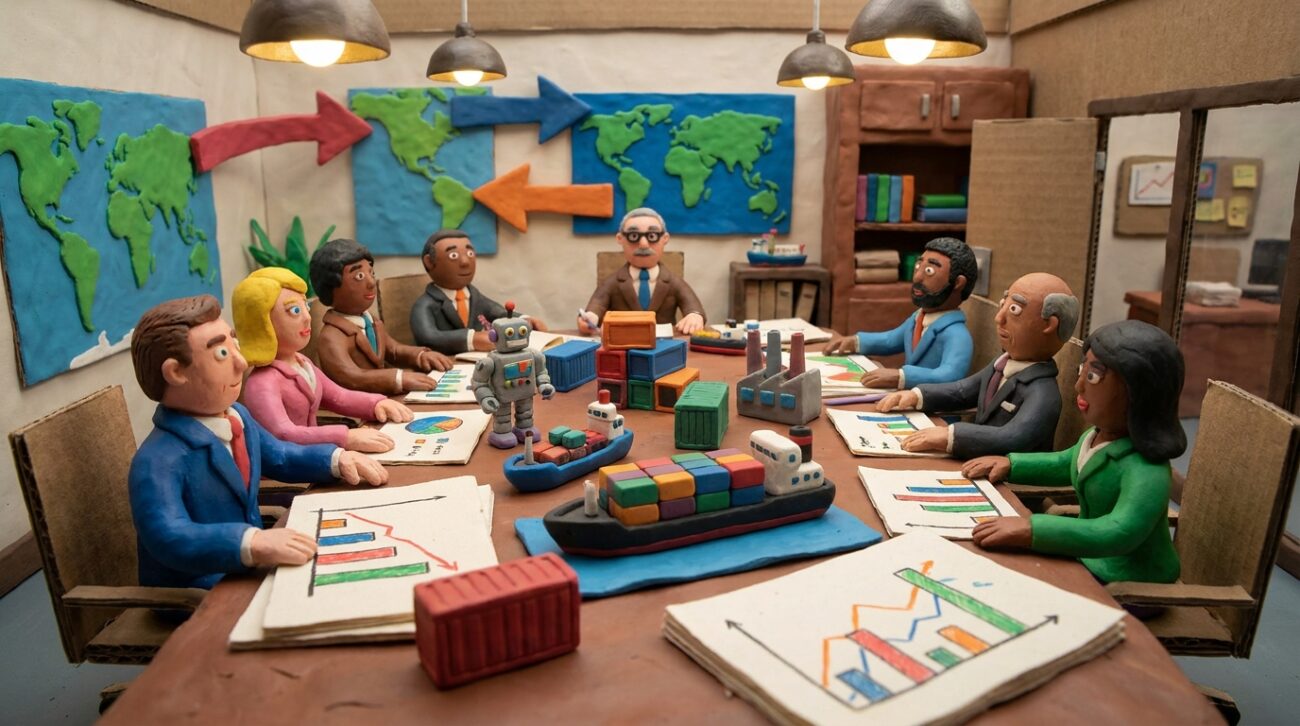
Tariffs have become a major problem for businesses across the United States. As the cost of imports rises and trade policies shift, businesses are adjusting their cost structures, supply chains, and products to ensure they remain profitable and competitive. These are the most significant effects tariffs are having on pricing decisions among American businesses, according to various research studies from Deloitte, McKinsey & Company, and Reuters.
Higher Import Costs Are Raising Retail Prices
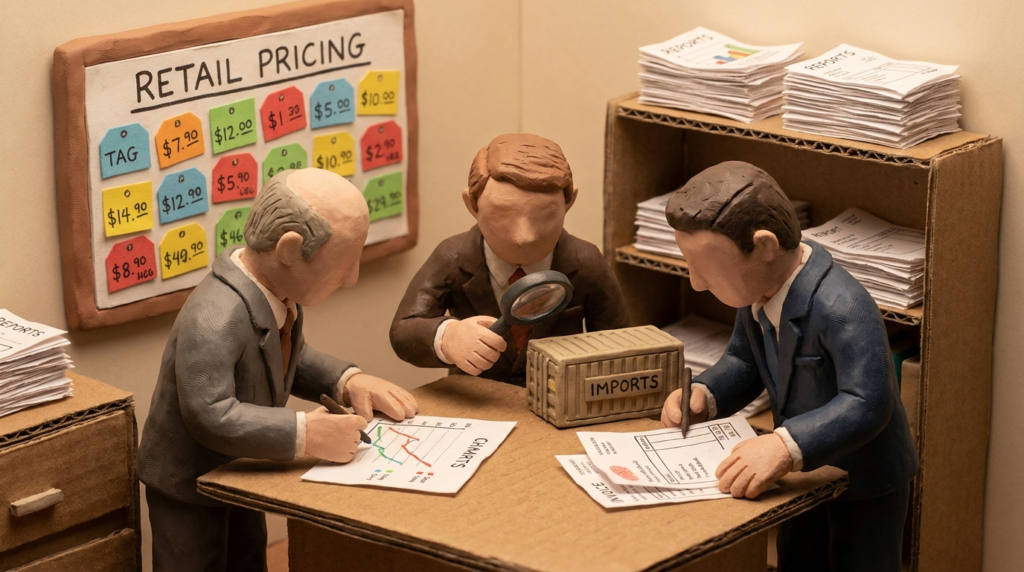
Many importers of raw materials, components, or finished goods are now paying higher duties. But not all of these costs are being absorbed by the companies; some of them are being pushed onto consumers in the form of price increases.
Businesses Are Using Selective Price Increases

Many companies are not raising prices on all products, but on those that are most impacted by tariffs, while maintaining competitive pricing on popular products.
Supply Chains Are Being Diversified

Companies are buying materials from other countries and/or increasing domestic suppliers to diminish tariff exposure. This helps to reduce reliance on one market and to secure future costs.
Manufacturers Are Relocating Production

To mitigate future tariff impacts and ensure supply chain resiliency, some manufacturers are relocating production to be closer to their customers or increasing the amount of production within their domestic markets.
Companies Are Offering Smaller Product Sizes

Some consumer brands are opting for smaller packages or lower-price product variations instead of a big price increase, to keep customers within reach.
Dynamic Pricing Is Becoming More Common

Businesses are updating prices more frequently as tariffs and input costs fluctuate. Digital pricing tools allow retailers to respond faster to changing market conditions.
Supplier Contracts Are Being Renegotiated

Companies are increasingly moving to a more proactive approach in managing financial risk from tariff volatility by incorporating explicit risk-mitigation and cost-sharing clauses and automatic reviews into supplier agreements.
Businesses Are Investing More in Automation

Automation enables manufacturers to compensate for the increased production costs due to tariffs by streamlining processes and saving manpower. This enables manufacturers to reduce the cost of individual products manufactured.
Customers Are Paying More Attention to Value
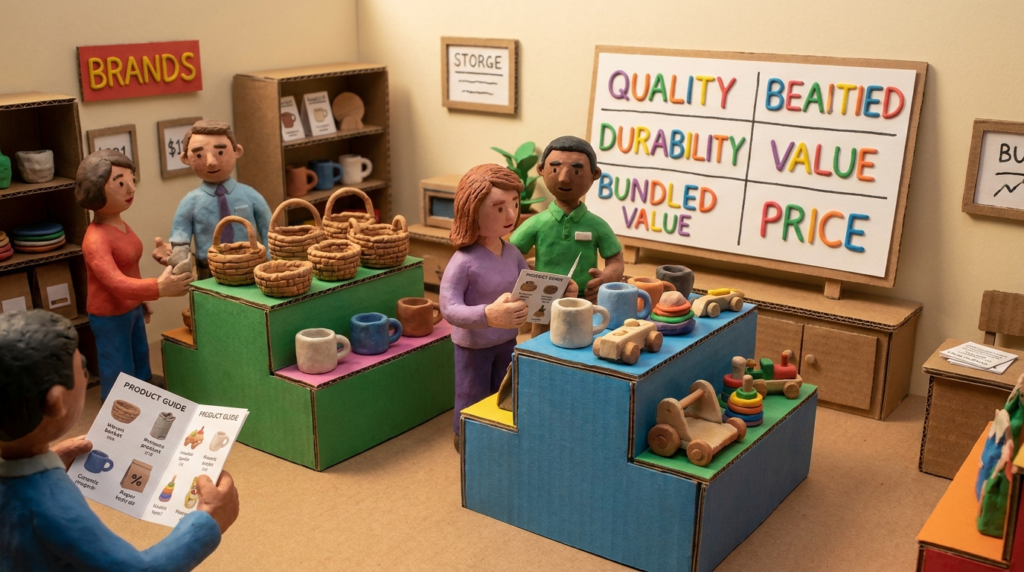
As prices increase, the customer is paying more attention to brand comparisons. Instead of solely competing on price, companies are focusing on quality, durability, and bundled offers to support their higher pricing.
Pricing Has Become a Strategic Decision

Executives are not adjusting prices once but again and again, but are taking a long-term business approach to pricing. Businesses are now more likely to consider tariffs, supplier prices, competitor pricing, and consumer demand before making price changes.
