
Americans’ spending habits in 2026 are still being affected by inflation. Although some pressure from price increases in some localities has eased, many essential costs are still high. This has led to increased strategic behaviour, value orientation, price comparisons, and changes in what and how consumers purchase. Top companies such as Deloitte, McKinsey & Company, including NIQ and the U.S. Chamber of Commerce, have concluded reasons for the same.
Looking for Lower Prices

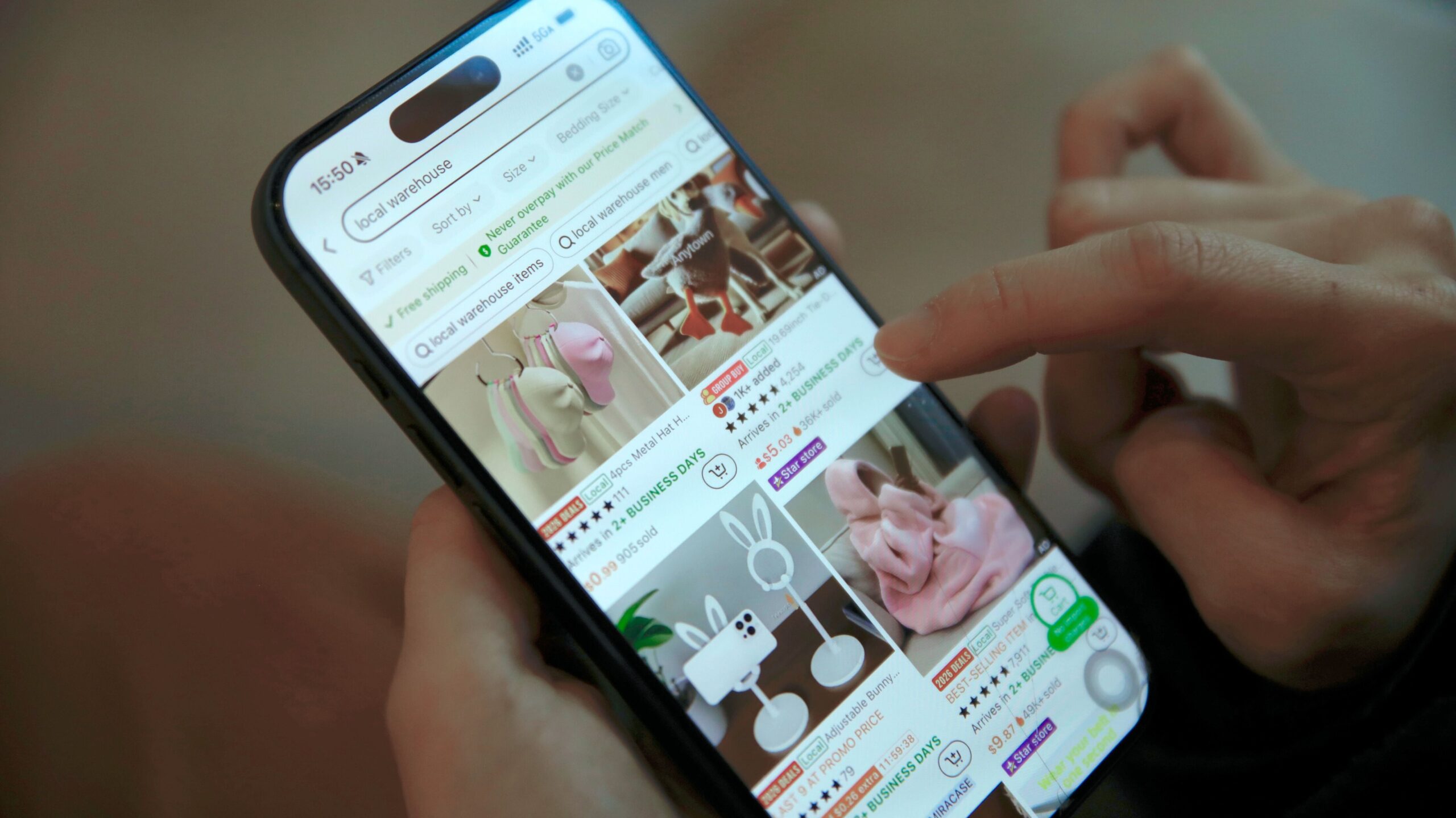
Customers today are making an effort to research different stores for the best price, in person and online. There are tools available to track prices, browser extensions, and mobile apps that make it easier to find the lowest cost available. Any accretive savings are significant as people look to make their monthly budgets stretch.
Buying More Store Brands
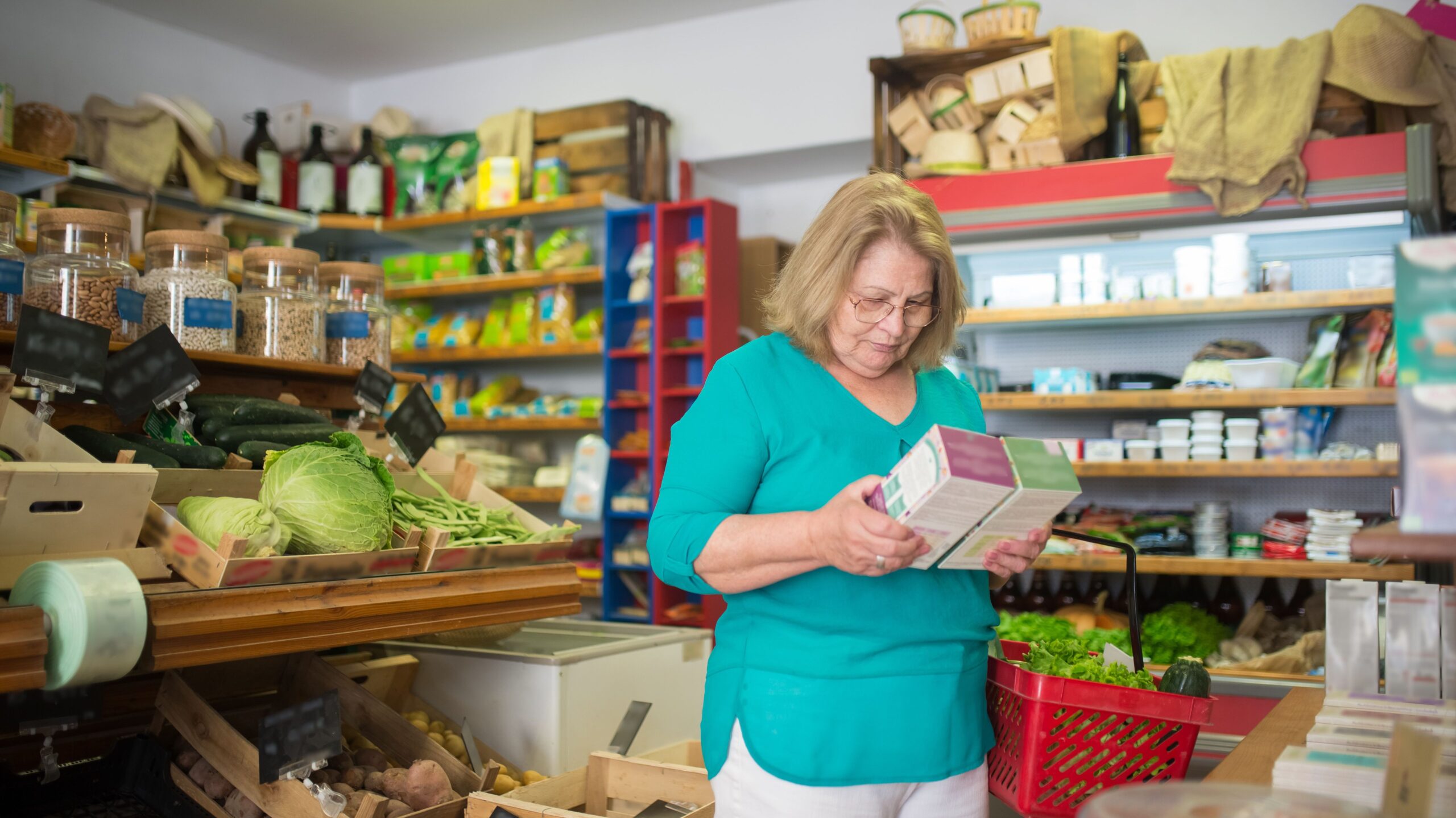
In 2026, private-label products have even stronger momentum as stores increasingly introduce their own brands in high- and organic-quality categories. These products offer consumers significant savings, particularly for food and home products, and are becoming at least as good as national brands.
Waiting for Sales and Discounts
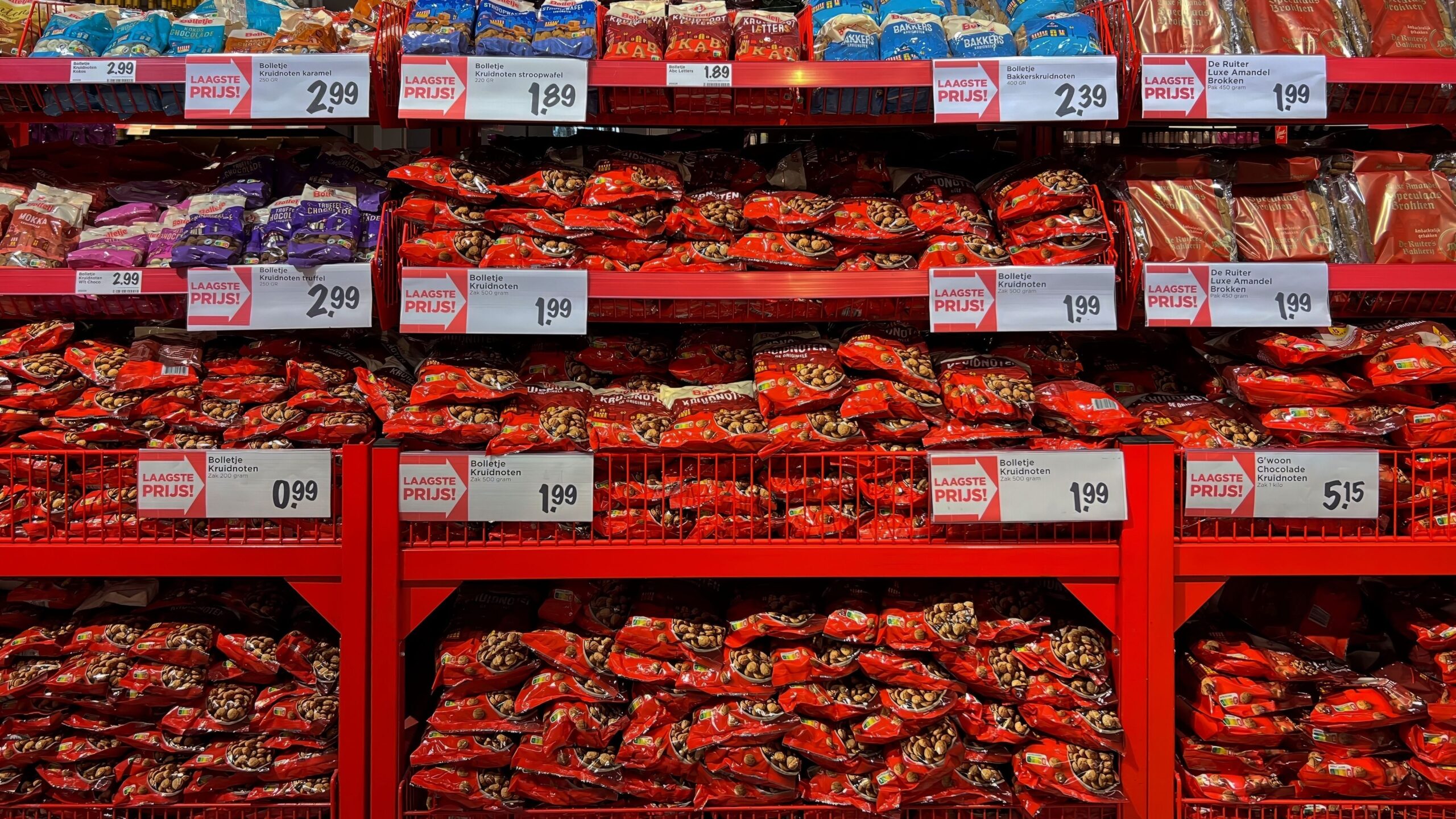
Many people are not buying what they don’t really need, but have been delaying the purchase of non-essential items from retailer catalogs, such as those offered for holidays or seasonal promotions, until the big sales. Retailers are adapting to more dynamic pricing, tailored coupons, and mobile loyalty programs to secure the “late” demand.
Spending Less on Non-Essentials

Households are still reducing their spending on discretionary items like entertainment, out-of-home meals, fashion and home improvement. Meanwhile, budgets are taking a more conservative approach, with spending remaining unchanged or even higher in other key areas such as food, rent, utilities and health.
Shopping Online More Often
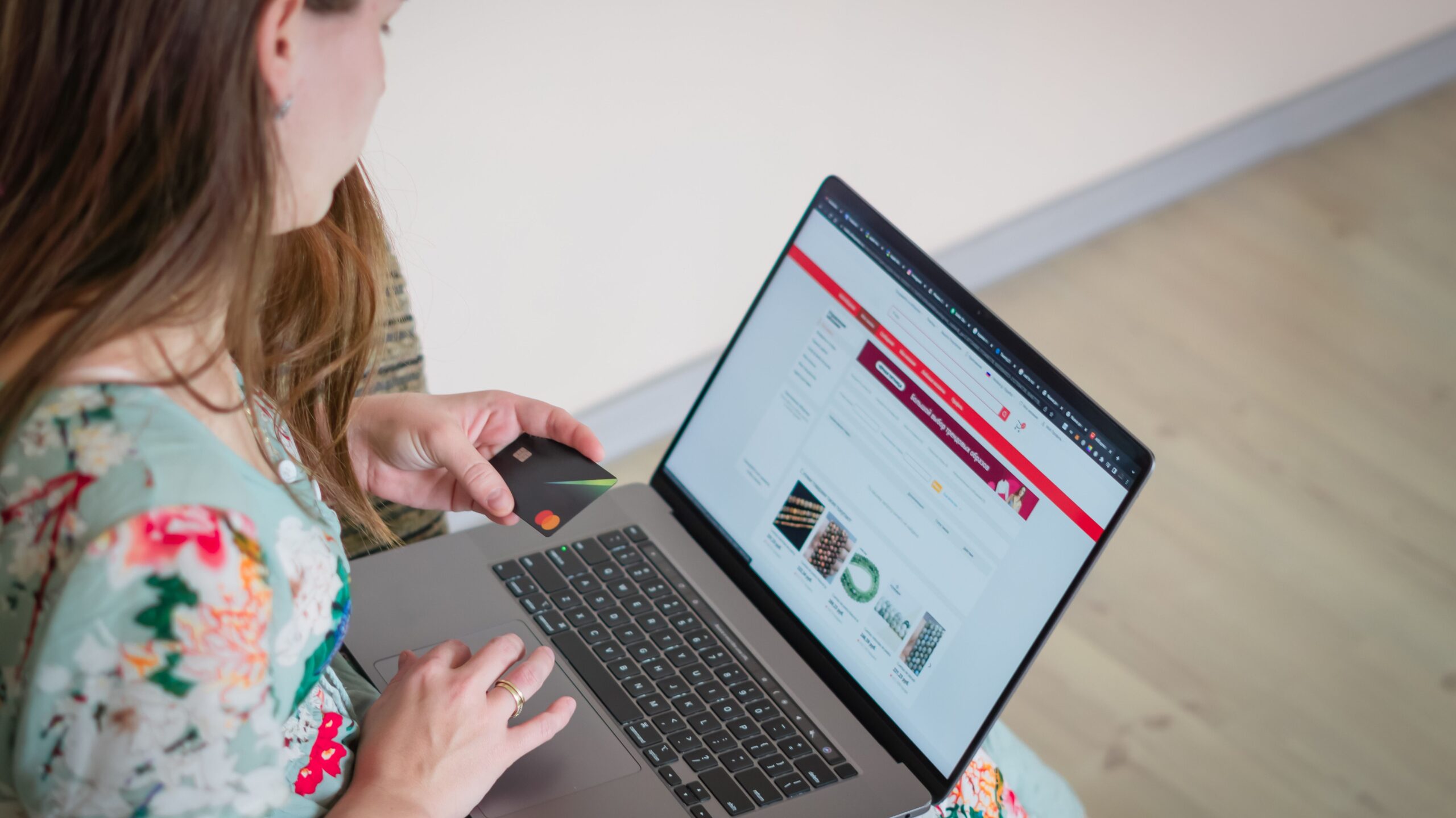
In-store shopping is a major part of the consumer journey, too, and online shopping has become a big part of that. People often browse the internet to get information about what they are interested in purchasing and then make a decision based on the feedback they have read, price comparison, and what others have posted online or on social media.
Choosing Value Over Brand Names

Customer loyalty is waning as customers prioritize price and performance over brand. In other categories, such as cleaning products or personal care, consumers are willing to try more than one brand in a short period of time, as there are fewer distinct differences between brands.
Buying in Bulk
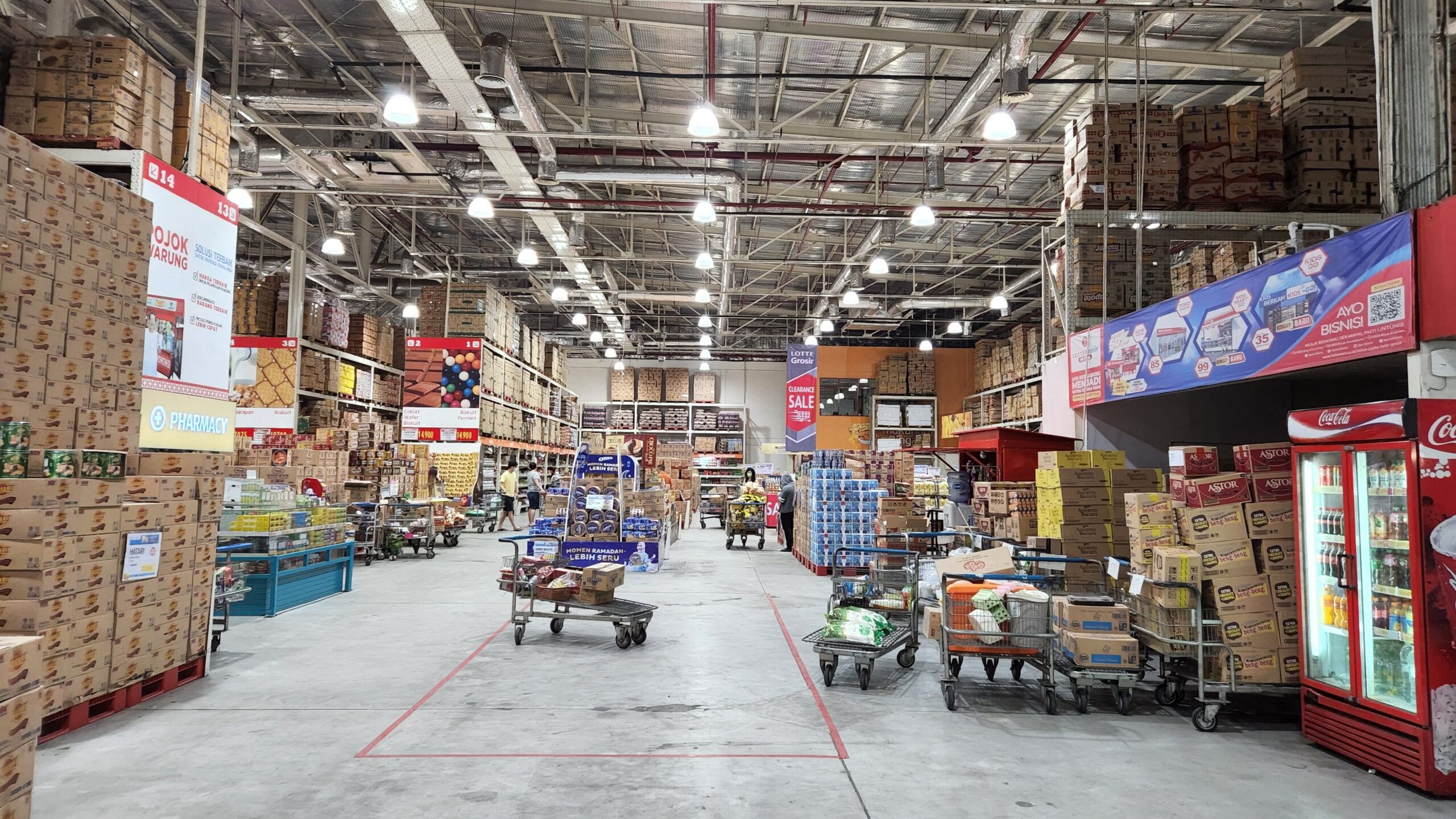
The trend of offering warehouse clubs and bulk discounts is still prevalent to cut down on the per-unit cost. The larger the family, the more it is worth buying in bulk, and the smaller the family, the more often they are splitting bulk items with friends or neighbors to save money.
Using AI to Find Better Deals
AI is increasingly assisting consumers in saving money. AI is being used to recommend discounts or cheaper options to consumers, forecast price declines, and offer individualized discounts or coupons based on shopping habits and preferences at the retail and shopping platform levels.
Focusing on Essential Purchases

Consumers are getting more disciplined, and they are increasingly dividing their spending between what they “need” and what they “want.” Large expenditure items are often deferred, while lower-cost items are carefully considered and budgeted.
