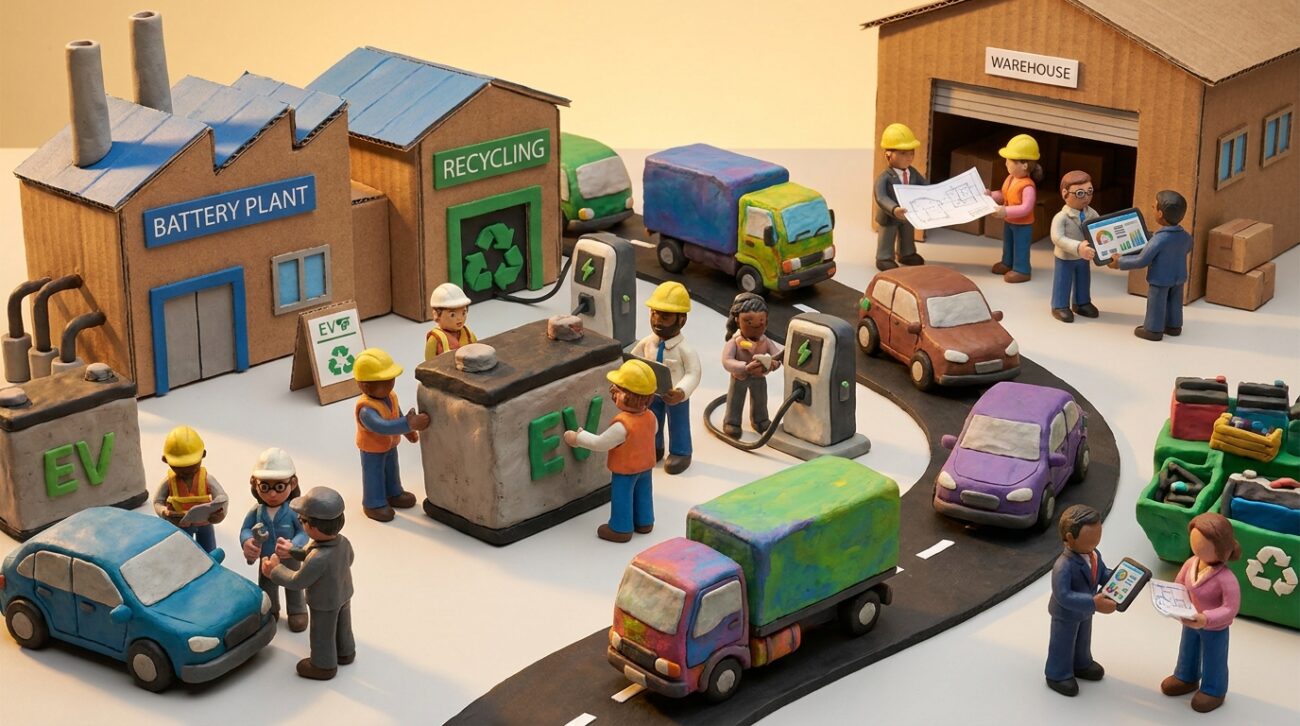
The automotive industry is undergoing a rapid transformation with the surge in the development of electric vehicles (EVs). Suppliers are getting ready for new technologies, materials, and production methods as automakers boost EV output. The automotive supply chain is changing to meet the needs of the next generation of transportation, from battery sourcing to software development.
Battery Materials Are in High Demand
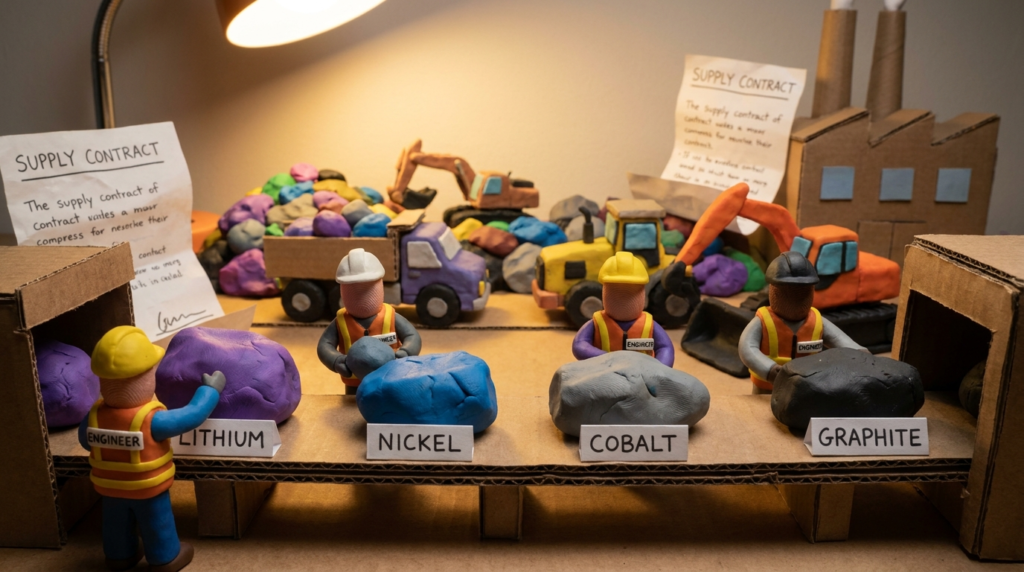
A lot of lithium, nickel, cobalt, and graphite are needed in electric vehicles. Automakers are making long-term supply contracts and funding mining and refining relationships to guarantee their availability, according to the International Energy Agency (IEA).
Battery Manufacturing Is Expanding

As demand for EVs continues to rise, manufacturers are stepping up battery facilities near vehicle manufacturing plants. Having locally produced batteries means reduced transport costs, more reliable supplies, and better capabilities for regional manufacturing, reported by McKinsey & Company.
Traditional Parts Suppliers Are Adapting
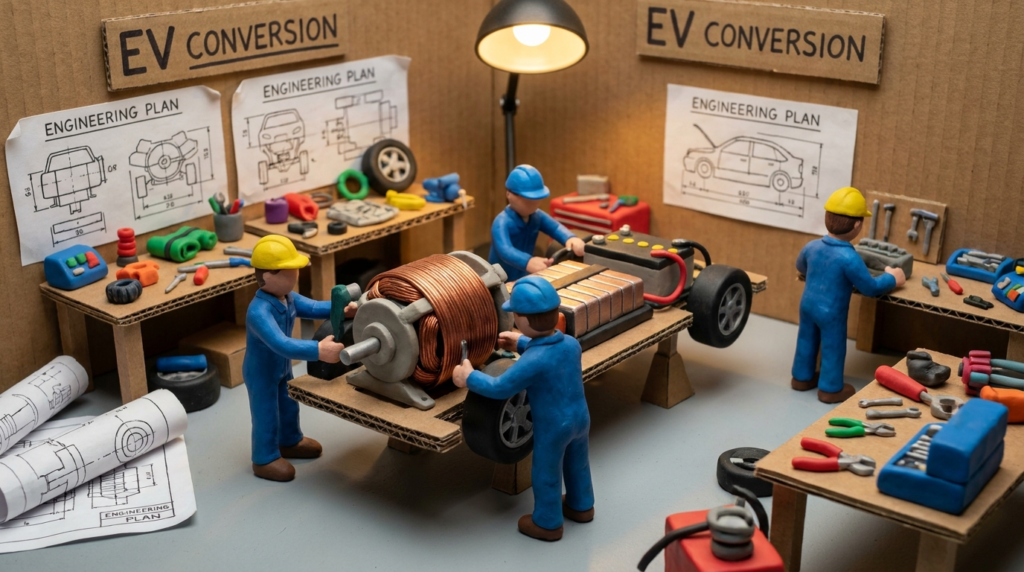
As per Deloitte, Gasoline-powered vehicles have more moving parts than electric vehicles. Key traditional suppliers are moving their focus to electric drives, batteries, power electronics, and thermal management systems.
Software Has Become More Important
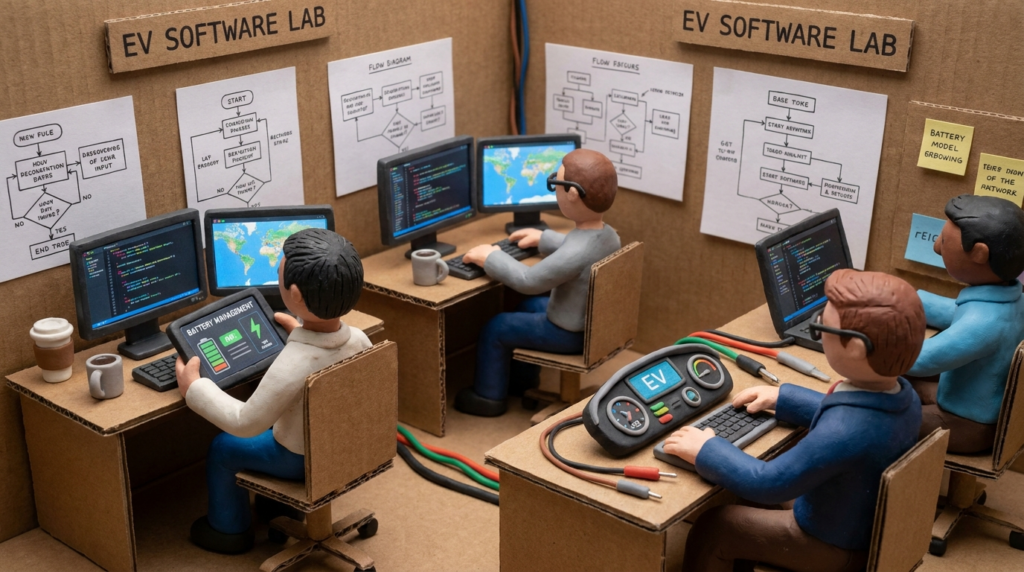
So today’s EVs are very software-intensive, heavily using software for battery management, charging, navigation, vehicle performance, and much more. This has led automakers to increasingly collaborate with tech providers and software specialists.
Supply Chains Are Becoming More Regional

Automakers are cutting down on reliance on faraway suppliers by producing near their major markets. It enhances resilience, speeds up delivery time, and minimises the risk of global disruptions through regional production, PwC said.
Recycling Is Becoming Part of the Supply Chain
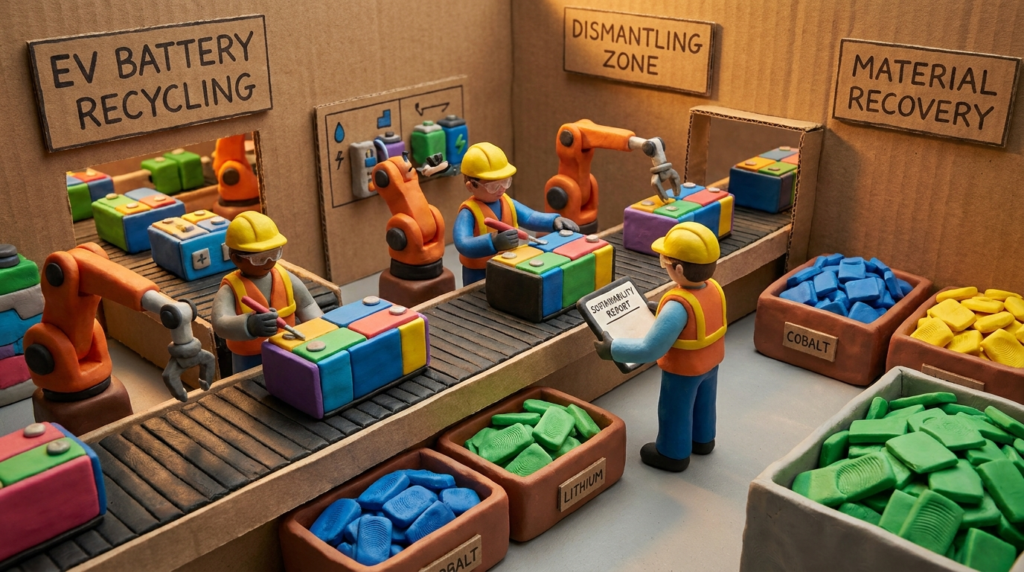
With the time nearing when more and more EV batteries are reaching the end of their life cycle, recycling is becoming a crucial source of valuable materials. Businesses are investing in battery recovery and recycling technologies to help achieve sustainable long-term business operations.
Charging Infrastructure Drives New Partnerships

New partnerships are forming between car makers, utilities, charging providers, and technology firms as the charging network expands. These partnerships are an integral part of the complete EV value chain.
Supply Chain Transparency Is Increasing
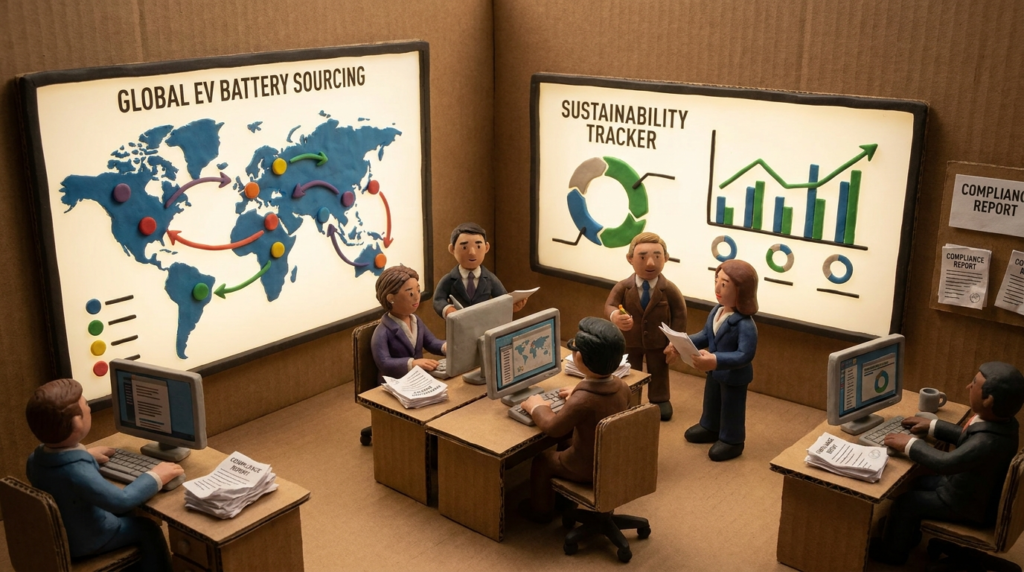
Consumers, investors, and regulators are demanding more transparency in battery materials’ sourcing. Increased traceability along the supply chain facilitates responsible sourcing and compliance with regulations.
Workforce Skills Are Evolving

As the adoption of EVs grows, so does the need for skilled individuals in the fields of battery technology, software engineering, robotics, and advanced manufacturing. Specialized skills are being expanded via training within the business.
