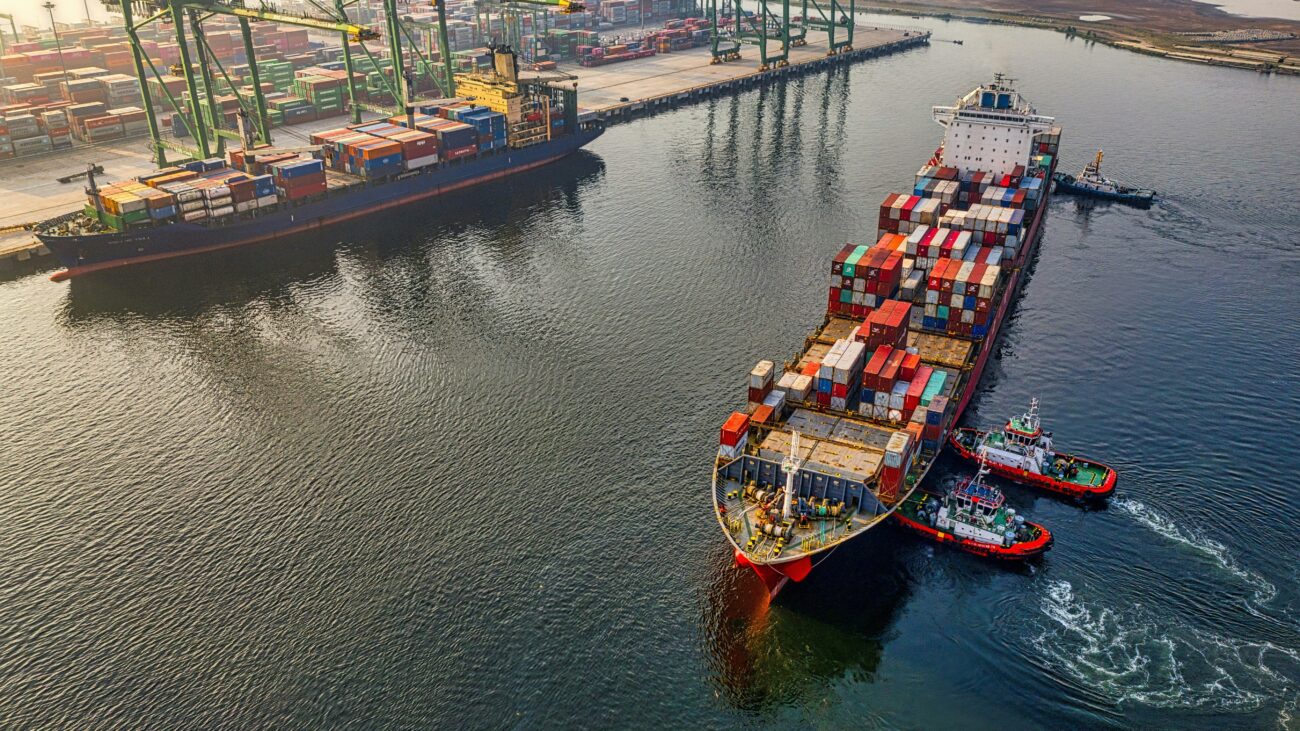
The logistics become more complex as the supply chain grows in complexity, posing greater challenges for businesses of any size. Rising costs, labor shortages, and other delivery and logistics problems can impact both the operations and customer satisfaction, according to delivery and logistics company Dropoff. Below are common logistics challenges that companies face and some of the solutions that they can use to deal with these challenges.
Rising Transportation Costs

Shipping costs and profit margins can be increased by fuel prices, labor costs, and vehicle maintenance. Often, companies utilize transportation management software and optimize delivery routes and consolidate shipments to boost efficiency and cut down on unnecessary expenses.
Limited Supply Chain Visibility
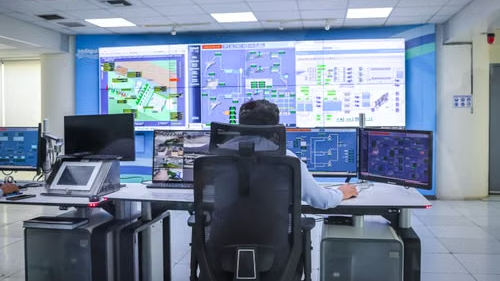
If they don’t have real-time tracking, businesses can miss out on identifying any delays, lost shipments, or bottlenecks. GPS tracking, real-time analytics tools, etc., are being deployed to increase the visibility of the supply chain.
Inventory Management Challenges

Having too much stock means inventory expenses are high, and too little stock means that you might suffer from stockouts and miss out on sales. Some businesses employ inventory management systems and demand forecasting tools in order to have more accurate stock.
Labor Shortages
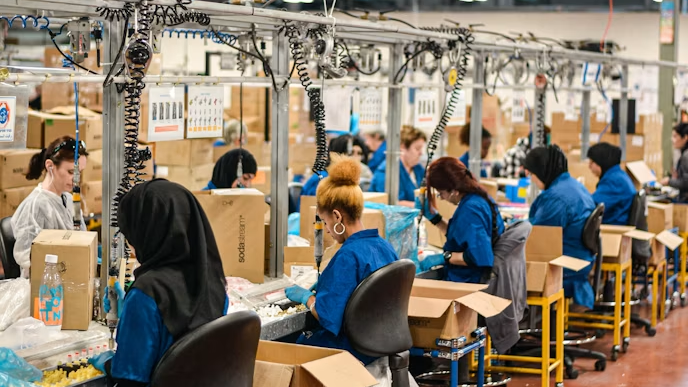
The lack of drivers and challenges in recruiting warehouse staff can cause delays and impact operations. Employers are focusing on retaining staff, investments in training, automation, and employee flexibility.
Last-Mile Delivery Complications

The delivery process is usually the most costly and challenging phase of the logistics process. Companies enhance route planning, collaborate with local delivery services, and use technology to boost delivery efficiency.
Unexpected Supply Chain Disruptions
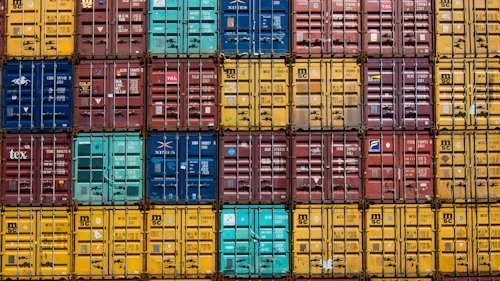
Logistics operations could be disrupted by severe weather, geopolitical events, and supplier problems. Companies make contingency plans, diversify suppliers, and have back-up inventories to minimise disruption.
Regulatory Compliance Requirements

The logistics operations can become complicated by changing rules related to transportation, safety, and environmental requirements. Businesses dedicate resources to training staff members, implementing compliance software, and conducting regular audits to ensure adherence to regulations.
Increasing Customer Expectations

Deliveries are faster, orders are tracked, and there is improved communication from consumers. Transparent communication, accurate delivery estimates, and technology that keeps customers up-to-date are areas of interest for businesses.
Technology Integration Issues

New logistics systems are not always found to be compatible with the previous software and infrastructure. Organizations upgrade systems and adjust step by step, use cloud platforms, and collaborate with technology providers to be more compatible.
