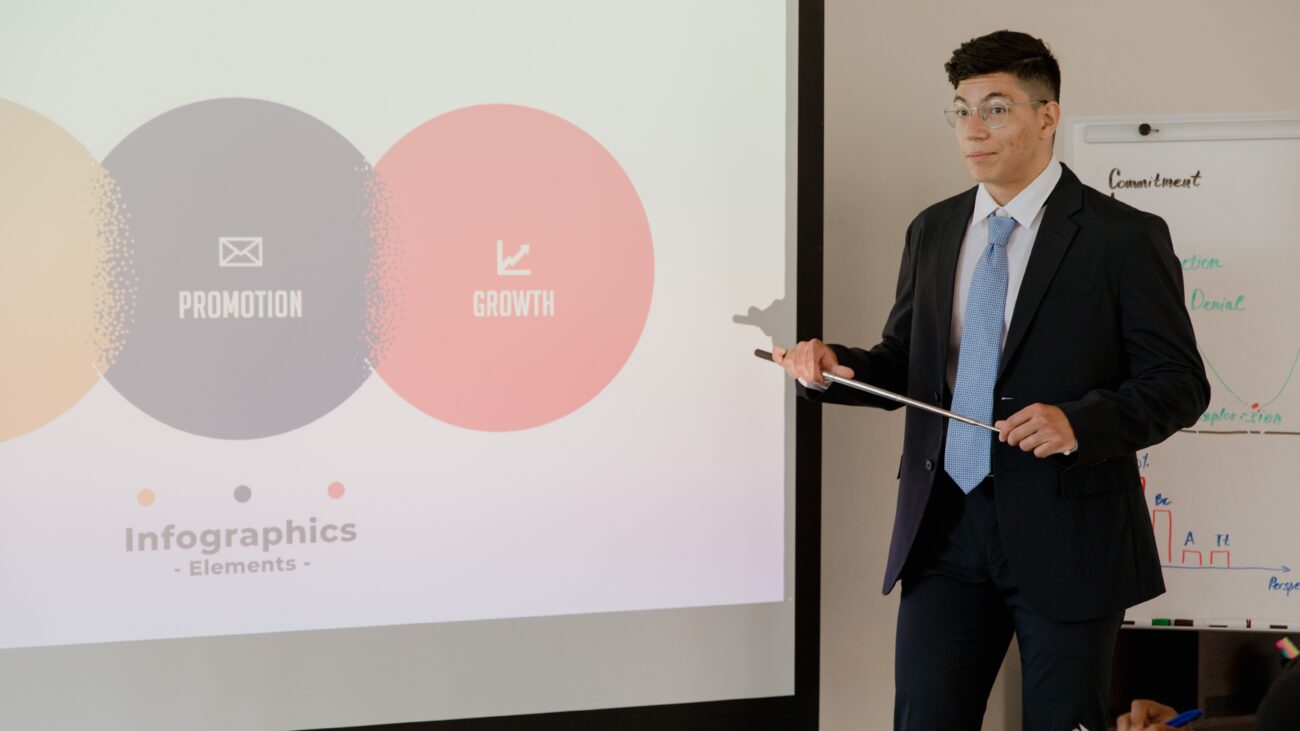
Leadership is changing as businesses face economic and workplace uncertainty, plus technological advances. In a London Business School article, a few members of the faculty offered their leadership tips, ranging from well-being to AI and trust. They recommend that workplaces become more of a family, be more flexible, and adopt an environment that allows employees to do their best.
Make Time for the Human Moment

According to the article, many employees are cautious about voicing their inner emotions at work. By dedicating time to listening, recognizing input, and demonstrating genuine care, trust, collaboration, and employee engagement can be enhanced.
Replace Assumptions With Curiosity

Another important highlight from the dictators is that leaders should enhance their negotiations, enrich their relationships, foster trust, and make well-informed choices by paying attention to and understanding the underlying motivations of others.
Demonstrate Workplace Wellness Yourself

It is important to include regular breaks, establish working limits, and openly discuss priorities or compromises with one another rather than taking them as a matter of course to help normalise wellbeing and promote a culture in the workplace where employees feel comfortable putting themselves first.
Build Trust Through Everyday Actions

As leaders repeat what they say with what they do, they build trust, explains Randall S. Peterson. Involving employees in decision-making, acknowledging uncertainty, and expressing decisions clearly can help build employee trust and confidence and help teams embrace organizational changes with ease.
Stay Committed to Long-Term Purpose

When climate and public opinion change, organizations must keep working towards sustainability targets, says Ioannis Ioannou. Incorporating sustainability into a company’s business model and not just a one-off project can help develop resilience and longer-term competitive powers.
Stay Curious About AI and Digital Change

Nicos Savva likens the shift in the landscape of AI to a new sport. Leaders don’t need to be a know-it-all; they can learn from their technology-minded peers and keep learning as technology evolves.
Support Employees Beyond Challenging Assignments
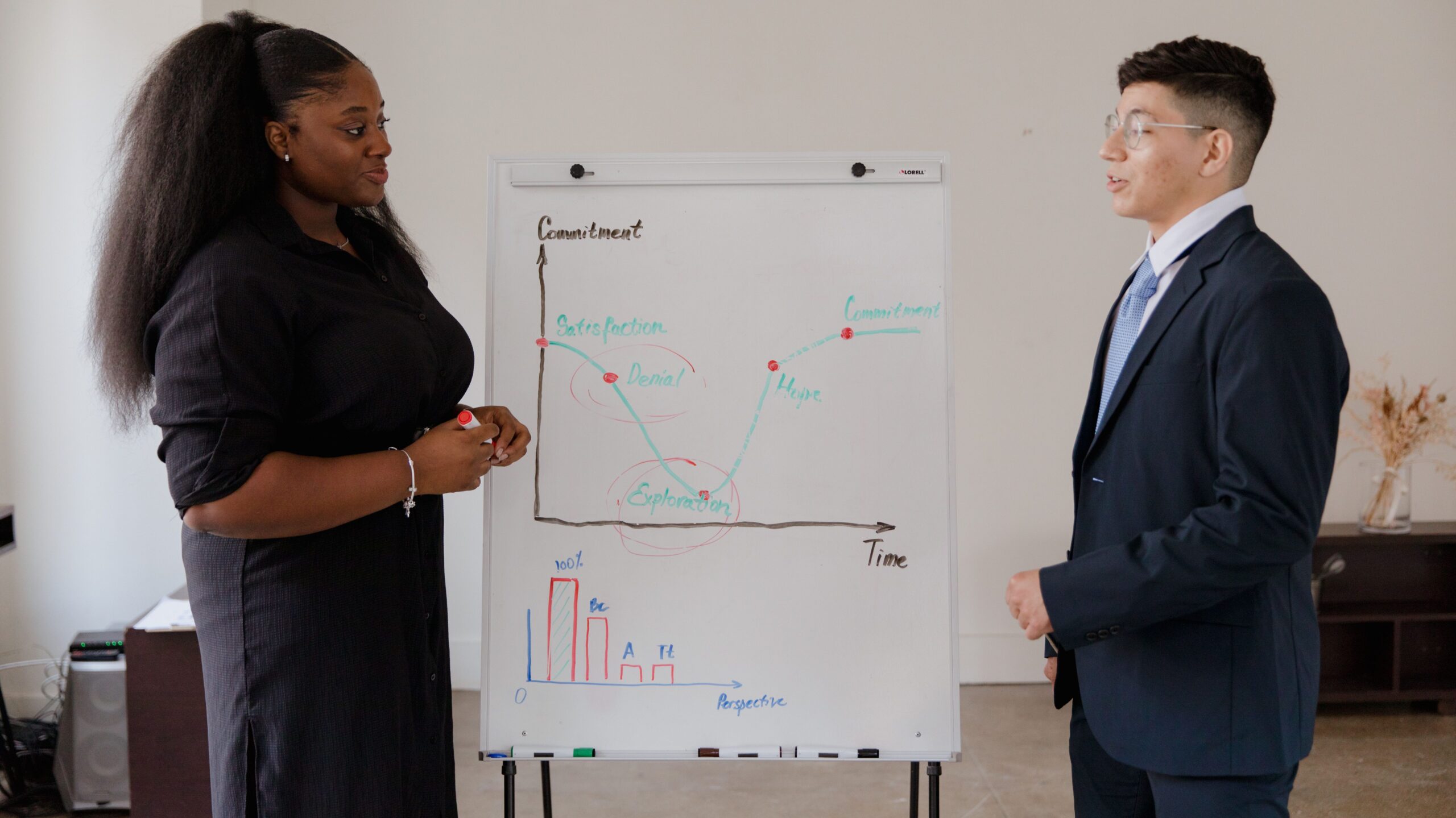
Dan Cable discusses the need to give stretch projects alone. When leaders offer emotional support, guidance, and encouragement while they are challenged to do tasks outside their comfort zone, then employees are more likely to grow.
Psychological Safety Encourages Better Teams

People are more engaged when they feel their ideas are valued, and their managers listen, notes Amy Bradley. Establishing a setting where employees can feel free to express worries and concerns can enhance teamwork, flexibility, and general team performance.
Reverse Mentoring Can Strengthen Leadership

Younger colleagues are better equipped with digital and AI skills, so senior leaders should learn from them, says Nicos Savva. This reverse mentoring is an open approach to learning, to keeping abreast of technology, and to learning from different generations.
