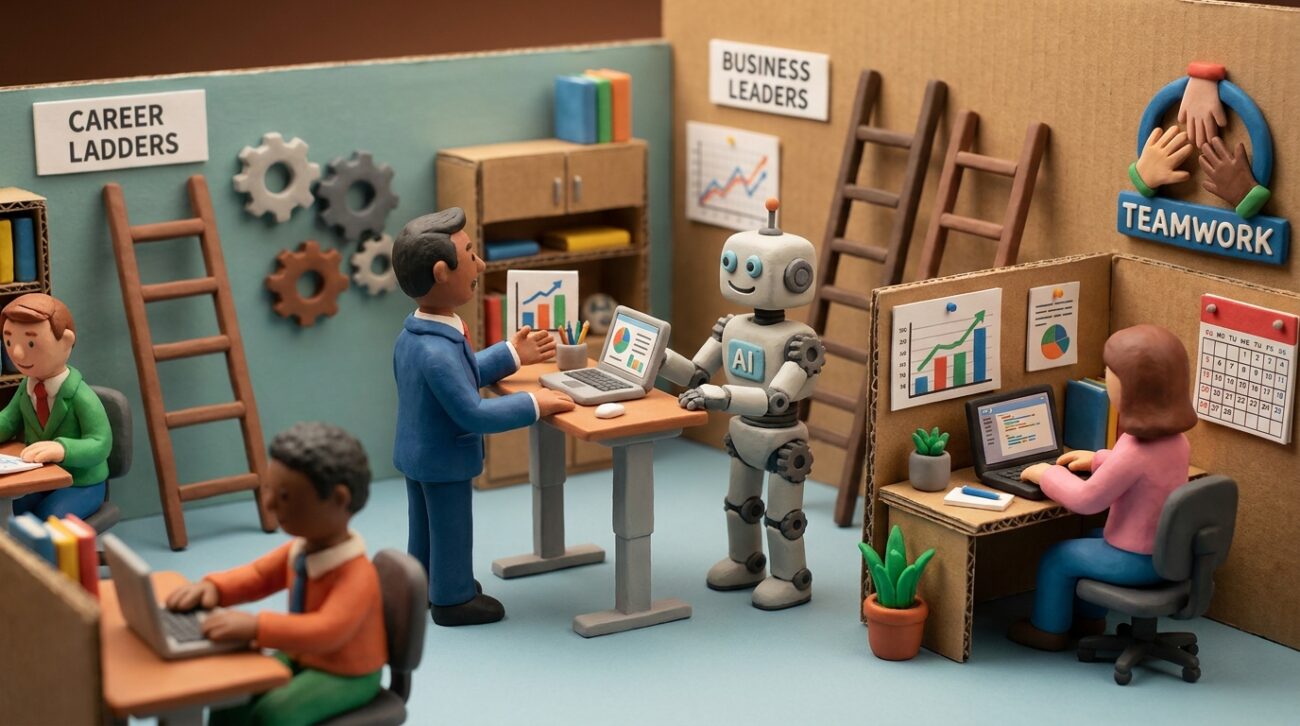
Technology, changing employee expectations, and economic insecurity are transforming the workplace in a new way: the labor market. Employers are reconsidering their approaches to recruiting, developing, and retaining people while ensuring flexibility and productivity. Let’s take a look at the trends affecting talent strategies and workforce planning for 2026.
Gig Work Goes Mainstream

According to Statista, over 70 million Americans are freelancers these days, and by 2027, gig workers may make up the majority of the workforce. More and more companies are adopting flexible people to adapt to the business needs.
AI Is Redefining Jobs
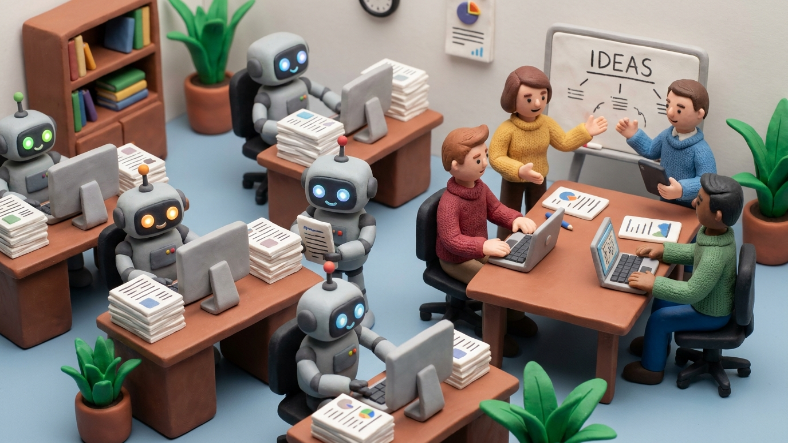
According to Korn Ferry, 43% of companies are looking to replace some jobs with AI. Meanwhile, employers focus on training adaptability, critical thinking, and skills in human-AI collaboration.
Burnout Is Becoming a Business Risk

52% of employees report that workload is the number one cause of burnout, which is driving companies to reconsider their wellness and workload management plans, says DHR Global.
Layoffs Are Reshaping Talent Pools
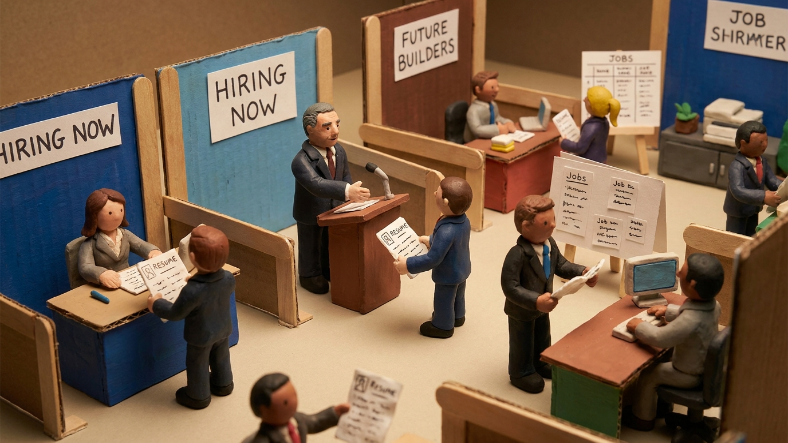
The number of companies anticipating layoffs in 2026 is six out of 10, according to Resume.org. These shifts in the workforce are bringing about a larger pool of experienced employees, and greater concerns are being raised about employee morale and retention.
The Labor Market Is Stabilizing

Indeed’s 2026 U.S. Jobs & Hiring Trends Report suggests that job postings will not see a dramatic increase or decrease, but a more gradual shift, which will further place emphasis on long-term workforce planning and retention.
Skills-Based Hiring Gains Momentum
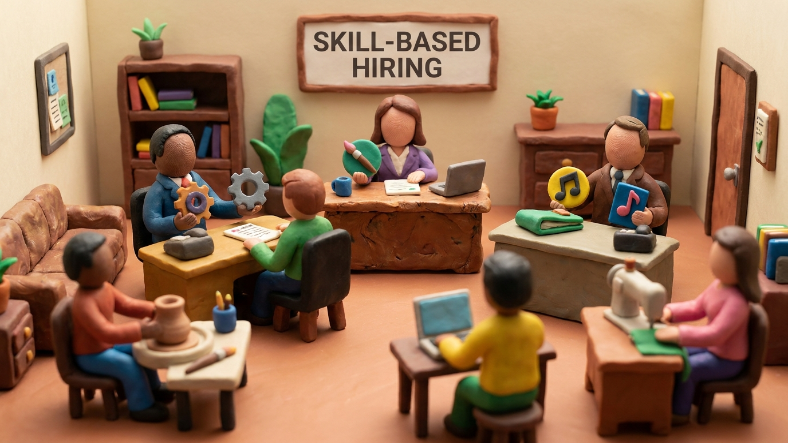
Skills and work experience are becoming more and more important to employers than degree requirements. Organizations struggling with talent shortages are increasing their candidate pool by focusing on certifications, technical skills, and transferable skills.
Flexible Work Remains a Talent Magnet

Although many companies have come up with return-to-office policies, employees still appreciate flexibility. Hybrid working has been a significant consideration in employment choices, especially among younger age groups and those in knowledge-based professions.
Employees Want More Career Growth

Organizations that put resources into internal mobility, mentorship, and ongoing professional development might be better placed to retain talent and also lower turnover in a competitive labor market.
Pay Transparency Is Becoming More Important
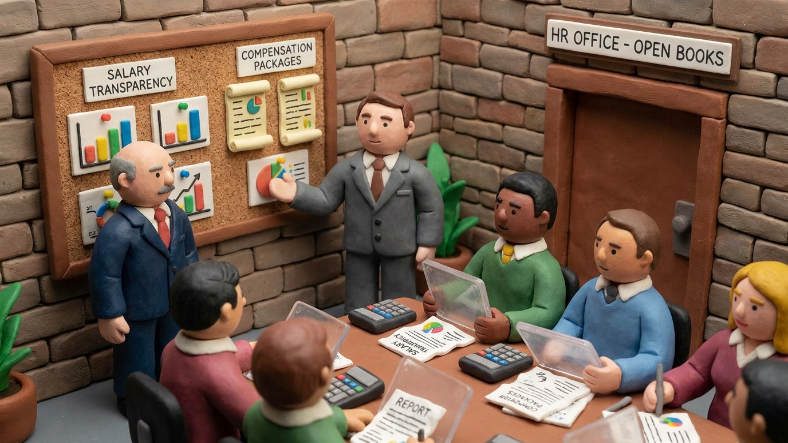
Employees are starting to expect more transparency, especially about salaries and the whole compensation package. With new state rules and shifting worker expectations, employers are kind of pushed to be more upfront, like actually listing pay ranges in the job posting, and then talking about compensation more clearly.
Internal Mobility Is Getting More Attention

Rather than hiring externally for every opening, many organizations are focusing on promoting and reskilling existing employees. Internal mobility programs can improve retention, preserve institutional knowledge, and reduce recruitment costs while giving employees clearer career pathways and development opportunities.
