The World Economic Forum, Deloitte, IBM, Gartner, and LinkedIn have all found evidence that leadership priorities are changing as companies come to terms with new technologies and employees’ needs. There are several trends anticipated that will influence the way organisations are managed in 2026, from skill development to the adoption of AI and flexibility at work.
Leaders Are Investing More in AI
61% of CEOs stated that they are actively preparing to expand the use of AI agents throughout their organizations (IBM’s 2025 CEEOs Study). Leaders are turning to AI as a key strategic asset and not just a novelty.
Skills Are Becoming a Priority
Leaders need to increase their focus on reskilling and skills-based talent strategies when the World Economic Forum’s Future of Jobs Report 2025 revealed that 39% of workers’ current skills are likely to become obsolete by 2030.
Employee Learning Is Getting More Attention
Indeed, the LinkedIn 2025 Workplace Learning Report reveals that 91% of learning and development professionals say continuous learning is increasingly critical to their career success and organizational growth.
Leaders Are Focusing More on Productivity

Organizations are increasingly leveraging technology and reimagining their processes to boost productivity, employee wellness, and engagement, according to Deloitte’s Global Human Capital Trends.
Data-Driven Decision Making Is Expanding
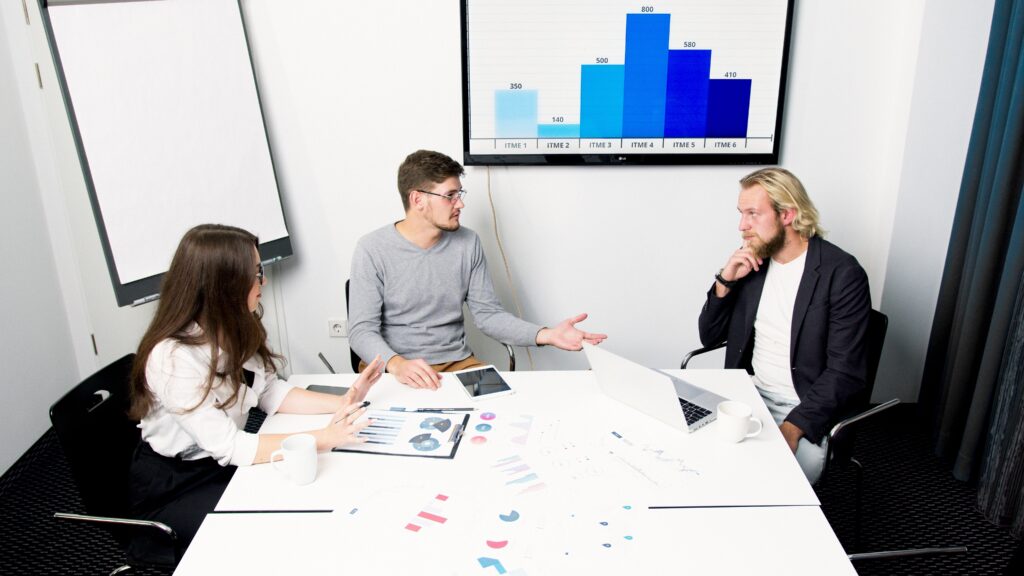
Organizations that are most proficient with data and analytics are more likely to report strong business performance and decision-making capabilities are strong, according to research by Deloitte.
Human Skills Remain Essential

Analytical thinking, resilience, leadership, and creative thinking are among the most crucial skills listed by the World Economic Forum for the future workforce, which continues to emphasize the need for human-centered leadership.
Employee Well-Being Is Staying on the Agenda

Gallup’s State of the Global Workplace Report shows that employee engagement and well-being remain intrinsically tied to both organizational performance and retention, and it’s a trend that every leader should take note of as they look at how to improve employee experiences.
Organizations Are Preparing for Faster Change
As businesses navigate the wave of technological disruption, economic uncertainty and evolving customer needs, leaders are increasingly looking for agility in their organizations, according to Gartner research.
Trust and Transparency Are Growing
The Edelman Trust Barometer says that employees and consumers more and more expect leaders to speak openly and to build trust via transparency and accountability. It’s kind of like people now want that clear communication, and not just good intentions.
Productivity Is Being Reimagined

According to Deloitte’s Global Human Capital Trends, many organizations are redesigning workflows and using technology to improve productivity while supporting collaboration and employee experience.
