
It would be fair to assume that trust is the top priority when it comes to organizational performance and well-being. Leaders who understand employee perspectives, communicate openly, and support well-being are better positioned to build trust. The World Economic Forum reports that empathy is a key factor in employee engagement, teamwork, and transformation. Here are the reasons why empathy is now an executive advantage.
It Builds Trust

Empathetic leaders strengthen trust by listening, communicating openly, and responding consistently. And when an employee feels trust, eventually engaged and committed to making a positive contribution.
It Improves Communication

A study conducted by Harvard Business Review concludes that actively listening to employees builds better relationships and promotes more open communication at work.
Supports Employee Well-Being

Gallup’s State of the Global Workplace Report demonstrates that employee well-being is directly connected to employee engagement, productivity, and retention, and the emphasis on leadership to create supportive environments is growing.
Encourages Better Teamwork

Collaboration and inclusion are better ways to solve problems and change. For instance, Alan Mulally became CEO of Ford Motor Company in 2006, and he initiated weekly Business Plan Review meetings that provided an opportunity for cross-functional working.
Helps During Change
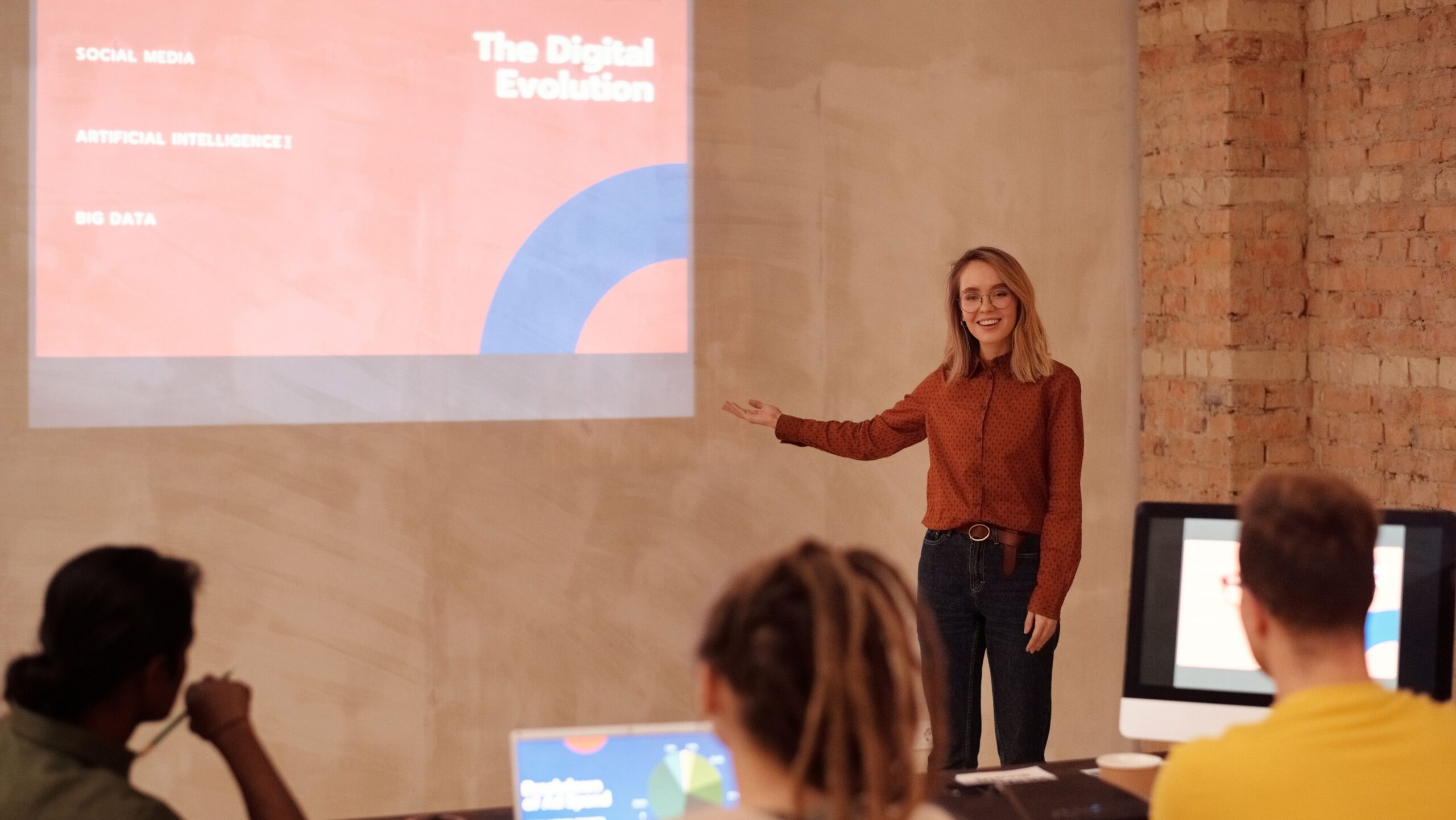
According to McKinsey & Company research, leaders who address employee issues and tell them where they are going tend to have successful organizational transformations.
It Strengthens Workplace Culture

World Economic Forum ranks skills in leadership, resilience, and social influence as some of the most valuable skills in the workplace, and organizations continue to change.
It Helps Resolve Conflict

Harvard Business Review studies have shown that emotionally intelligent leaders are more able to handle conflict positively and keep working relationships productive.
Improves Employee Retention

According to Gallup, employees who feel valued and supported are more likely to remain with their organizations, reducing turnover and strengthening team stability.
It Supports Better Decisions

Leaders who take diverse perspectives into account are more likely to make well-rounded and informed decisions in business. For example, when Indra Nooyi was the CEO of PepsiCo, she prioritized listening to employees, customers, and business partners.
Creates Long-Term Business Value

Companies that focus on employee experience and workplace culture have a better chance of creating a stronger customer connection and maintaining long-term performance, says PwC.
