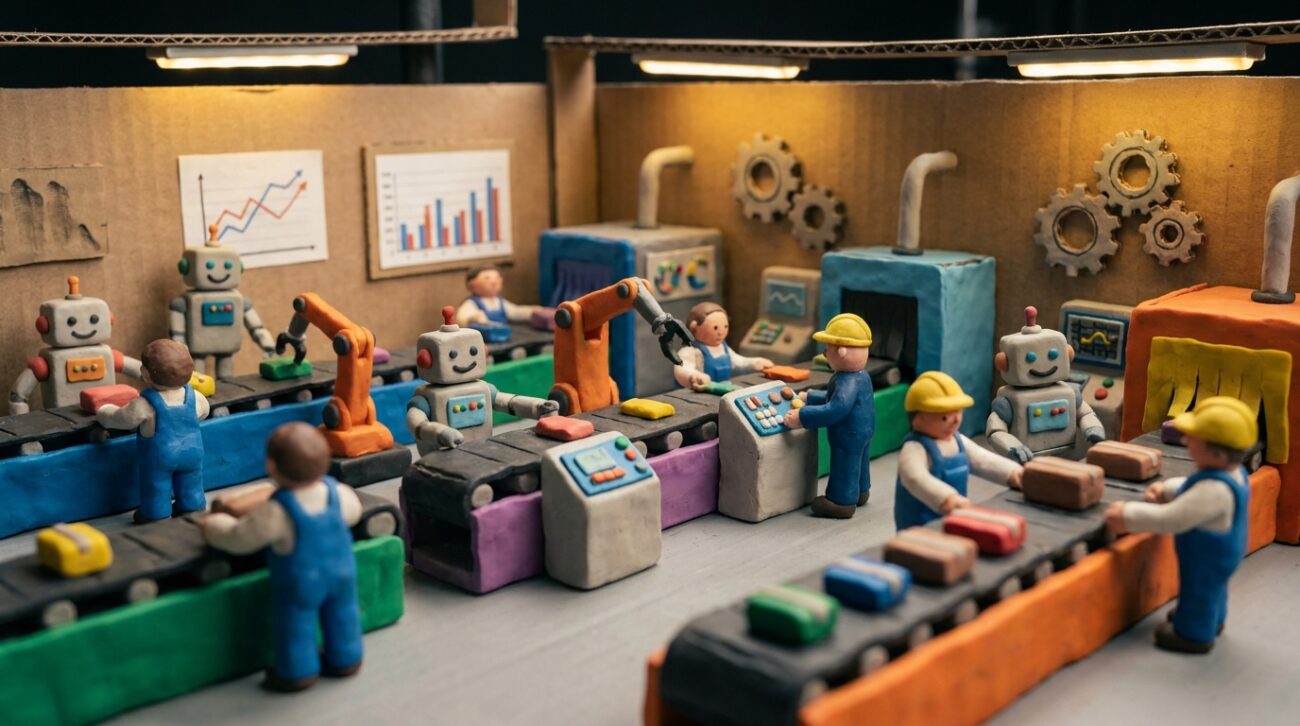
Automation is transforming the manufacturing industry, offering businesses the opportunity to enhance productivity, minimize mistakes, and quickly adapt to market demands. Factory automation technologies like robotics, artificial intelligence, machine vision, and industrial Internet of Things (IIoT) have become prevalent all over the globe. Research indicates that automation is changing the way manufacturing is done, and in the process, it enables increased efficiency.
Robots Are Becoming More Common
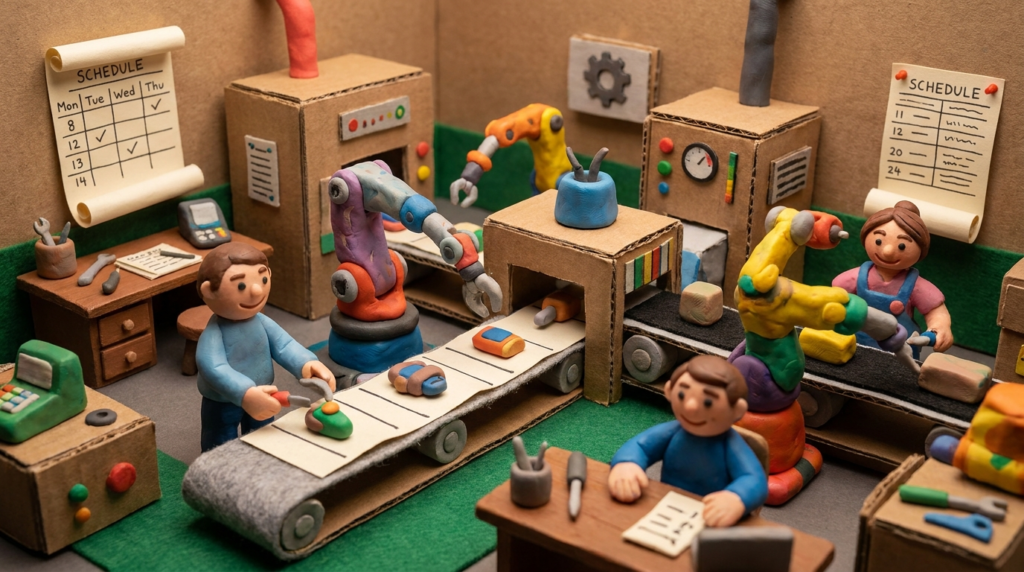
The International Federation of Robotics (IFR) reported that manufacturing automation is on the rise, with more than 4 million industrial robots in use in factories around the world. This drastically accelerates production cycles and maximizes manufacturing throughput.
Production Is Becoming More Efficient
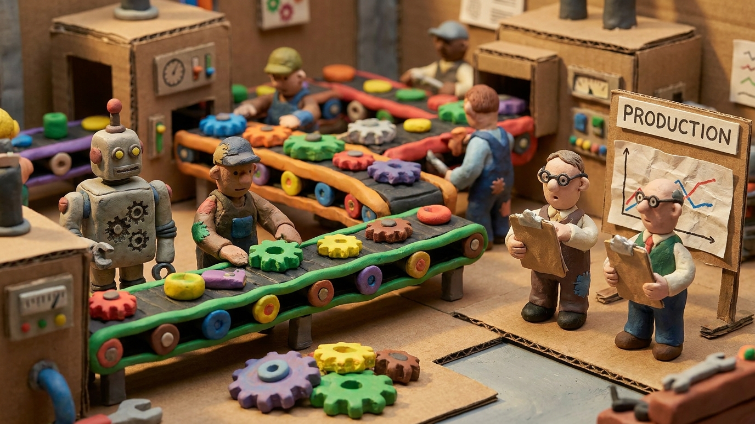
According to McKinsey & Company, repetitive manual tasks and optimizing the production workflow can be done by automation to improve manufacturing productivity. Thus, companies can lower costs, reduce human error, and allow workers to focus on important matters.
AI Is Improving Quality Control
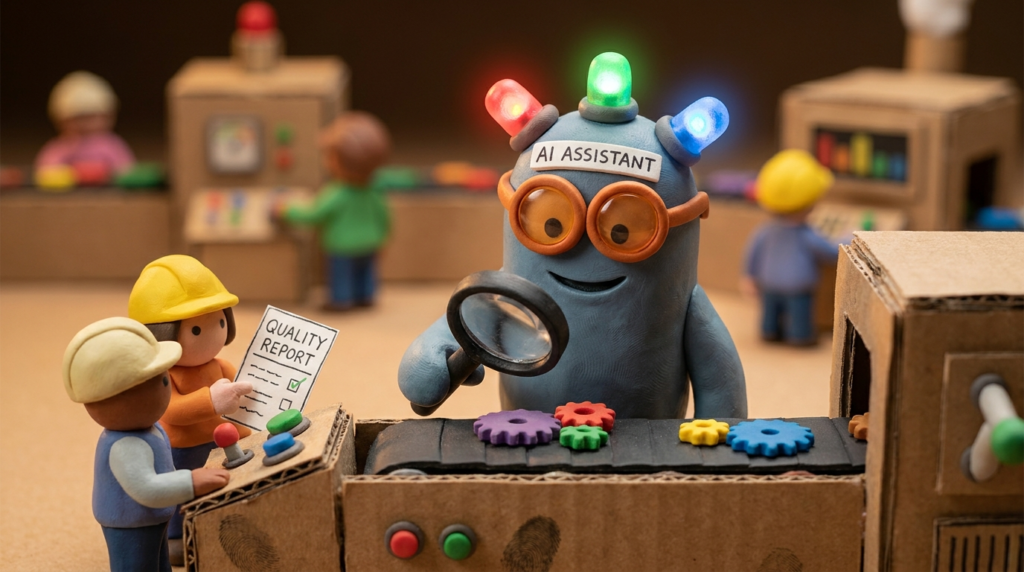
It would not be wrong to say that manufacturers are turning to artificial intelligence and computer vision systems to detect product defects and enhance quality inspection, according to Deloitte.
Predictive Maintenance Is Reducing Downtime
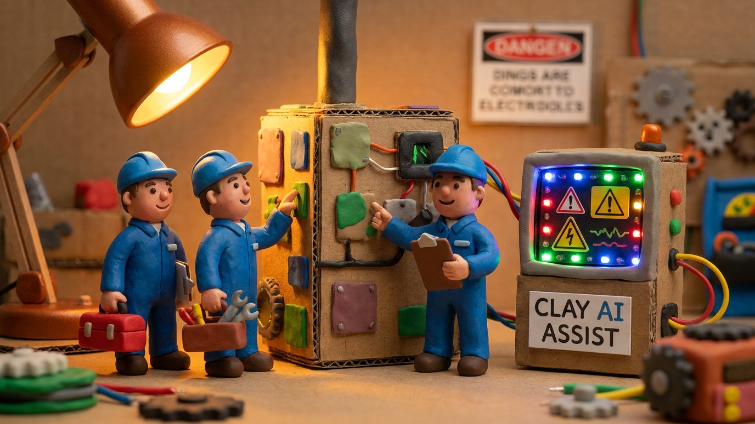
AI’s predictive maintenance benefits, according to McKinsey research, are that manufacturers can identify equipment issues before they become failures, which can help to decrease unplanned equipment downtime.
Smart Factories Are Expanding
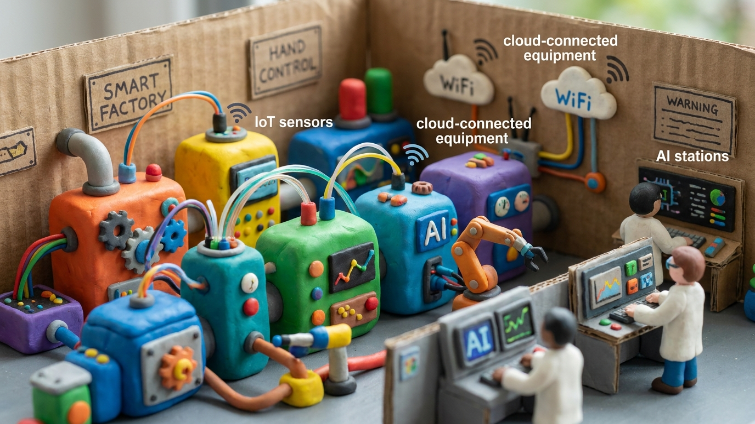
The World Economic Forum defines “Lighthouse Factories” as facilities that apply cutting-edge technologies, like AI, IoT and automation, to boost productivity, sustainability and operational performance.
Workers Are Using More Digital Tools
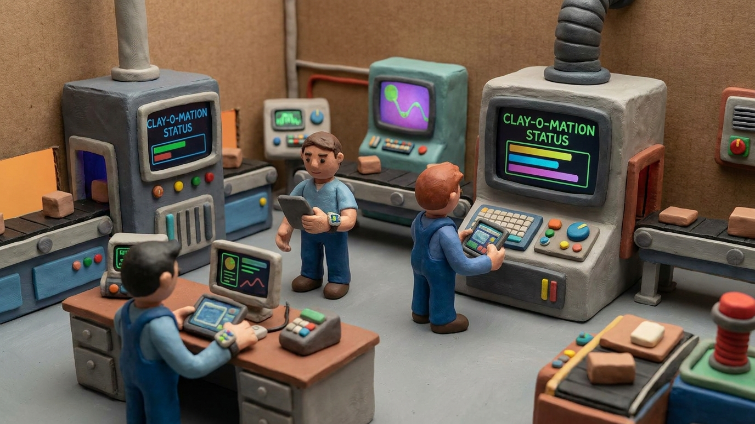
According to Deloitte’s research, automation is reshaping the roles of workers, enabling them to concentrate more on supervision, problem-solving, and higher-value activities. Ultimately, give space for creativity, innovation, and direct customer experience.
Supply Chains Are Becoming More Connected

Manufacturers are leveraging automation and digital technologies to enhance inventory management, production planning, and supply chain visibility, says McKinsey.
Energy Use is increasingly efficient.
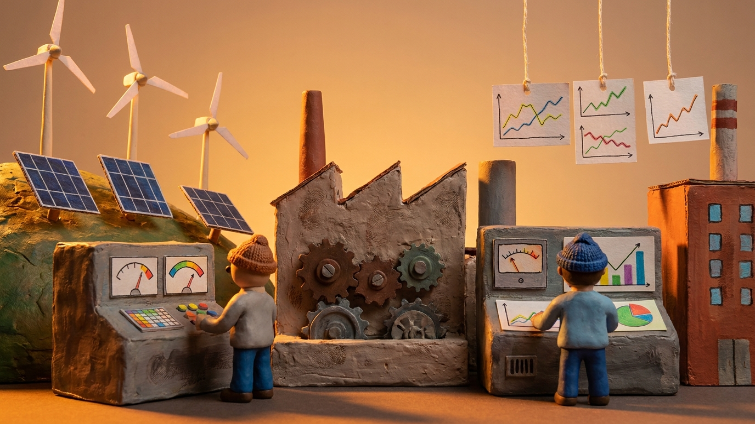
The International Energy Agency (IEA) has found that digital technologies and automation are part of the solution to help manufacturers optimize their energy use and improve the energy efficiency of their operations.
Data Is Driving Better Decisions

Evolving to a more real-time approach to production data and analytics, manufacturers are now deriving more value from these resources to help them make better forecasts, track equipment performance, and make better operational decisions, Gartner said.
Investment in Automation Continues to Grow
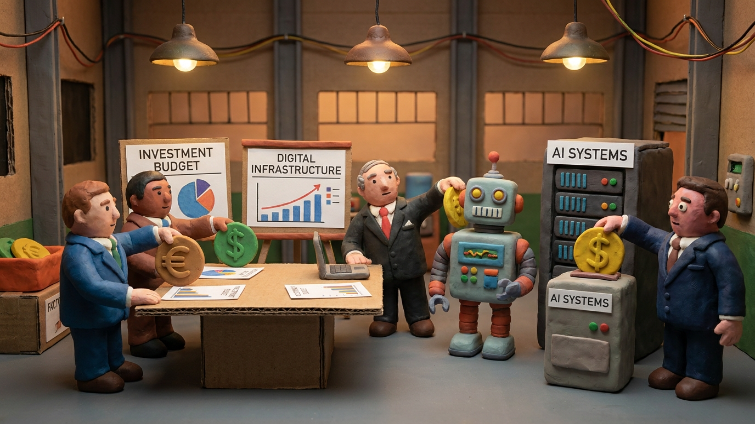
PwC finds that manufacturers keep on investing in automation and digital transformation to gain competitiveness, overcome labor shortages, and boost future productivity.
