
A few years ago, Underdog was best known as a daily fantasy sports app fighting for attention against much bigger sportsbooks. This year, the company made a move that caught a lot of the industry off guard: it walked away from regulated sports betting entirely and bought its own federally licensed exchange to build a prediction markets business instead. It’s a sharp pivot, and one that’s turning a scrappy challenger into a genuine competitor against far bigger names.
Where Underdog Actually Started

Underdog made a name for itself with daily fantasy sports and draft-style games, going up against a lot of bigger sportsbooks in a tough market. For a long time, it seemed more like a reliable but secondary option than a company that would really change the game in its space.
The Quiet Pivot Into Prediction Markets

Underdog’s entry into prediction markets started off small, thanks to a partnership with Crypto.com that allowed it to list sports event contracts on an external exchange. Back then, it seemed like just a little product expansion, not the beginning of a much bigger strategic change.
Walking Away From Regulated Sports Betting

In a move that surprised plenty of industry watchers, Underdog shut down its North Carolina sports betting operation and pulled its license application in Missouri just before that state’s launch. The company was effectively exiting the traditional, state-by-state sportsbook model it had built its name on.
The Layoffs That Signaled Something Bigger Was Coming

Underdog cut more than a fifth of its workforce, with reductions hitting fraud operations, customer support, and its draft-based game offerings. Leadership framed the cuts as a direct consequence of shifting away from a state-by-state framework toward a single national platform.
The Acquisition That Made the Pivot Real

Just over a week after the layoffs, Underdog acquired Aristotle Exchange, picking up a federally registered designated contract market and clearing organization. That deal gave Underdog the regulatory infrastructure to list and settle its own event contracts, rather than depending on a partner’s exchange.
Why Owning the Exchange Actually Matters
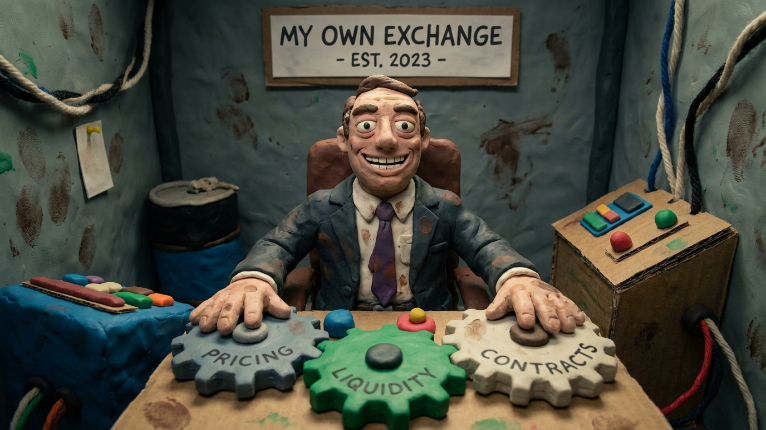
Holding a CFTC-registered exchange means Underdog can now control its own pricing, liquidity, and product design instead of operating through someone else’s infrastructure. It also lets the company bypass the slow, expensive state-by-state licensing process that traditional sportsbooks have always had to deal with.
Suddenly Competing With Much Bigger Names

The move puts Underdog in the same lane as Kalshi, Polymarket, and Robinhood, all of which have been racing to build out prediction market platforms of their own. DraftKings made a similar acquisition months earlier, suggesting the entire industry sees owning the exchange layer as the next real battleground.
The Bet Behind the Whole Strategy

Underdog’s leadership has been blunt about the logic here, arguing that prediction markets are fundamentally about sports engagement and that few companies understand sports fans as well as Underdog already does. It’s a bet that its existing audience matters more than its lack of financial industry pedigree.
The Regulatory Gray Area It’s Stepping Into

Sports event contracts sit in a genuinely contested space, with state gaming regulators and platforms like Kalshi disagreeing over whether they count as financial derivatives or as gambling products. Underdog’s pivot puts it right in the middle of that unresolved fight, not safely on the sidelines.
Why This Story Matters Beyond One Company

Underdog’s reinvention is a clear example of a smaller player reading where an industry is actually headed and moving before the bigger names had fully committed. Whether or not the bet ultimately pays off, it’s already reshaping how co
