
The blockchain market is projected to grow to $49.18 billion by 2026, as evidenced by increased interest in real-world applications, according to Fortune Business Insights. Blockchain technology has often been linked to cryptocurrency speculation and promises of the future for years. The discussion now focuses on applications in payments, settlements, tokenization, and financial infrastructure. The interest shown by major banks, asset managers, and even governments in the blockchain-based systems has grown over the past few years.
Financial Institutions Are Investing Heavily

The big financial firms are putting more investments in blockchain. A Deloitte Global Blockchain Survey revealed that 76% of financial services leaders felt that digital assets could act as a good alternative to traditional currencies in a decade. The change is driven by the increased confidence in blockchain’s long-term role.
Tokenized Assets Are Becoming Big Business

One of blockchain’s fastest-growing areas is Tokenization. According to McKinsey, digital tokens can be worth roughly $2 trillion by 2030, and there are examples of such assets in the bond, mutual fund, and private credit markets. It is an area of great interest to large institutions.
JPMorgan Is Processing Transactions on Blockchain

The bank said that its Kinexys platform (previously Onyx) has already processed over $1.5 trillion in transaction volume. This platform allows institutions to transfer money and complete transactions 24/7, highlighting the platform’s increasing importance in financial operations.
Stablecoins Are Expanding Rapidly
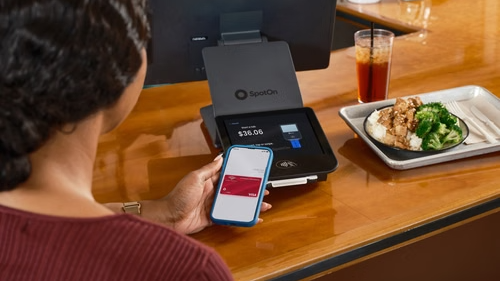
CoinMetrics estimates that the total market value of stablecoins surpassed $250 billion in 2026. Stablecoins are also being adopted for payments, settlements, and cross-border transfers, and are settling more quickly than some traditional systems. They have caught the interest of the banks and payment service providers.
Central Banks Are Exploring Digital Currencies

Over 130 countries, which account for approximately 98% of global GDP, are undertaking studies or projects on central bank digital currencies, according to the Atlantic Council’s Central Bank Digital Currency Tracker. Several countries have already started pilot programmes or small-scale deployments.
Cross-Border Payments Are Becoming Faster
Time to receive funds from traditional international transfers is often several days. The World Economic Forum report states that blockchain payment networks have the potential to streamline settlement times and reduce the cost of transactions.
Asset Managers Are Entering the Space

Major investment firms are building up blockchain efforts. The tokenized money market fund was introduced by BlackRock in 2024, while there are asset managers looking at blockchain solutions for trading and asset servicing.
Regulation Is Providing More Clarity

Governments and regulators are creating frameworks to foster digital assets and blockchain innovation. Growing regulatory clarity in key markets is making it more attractive for more institutions to create blockchain products and infrastructure solutions, according to PwC.
