
All businesses continue to experience rising labor, energy, borrowing, and raw material costs. Many companies are rethinking their resource allocation and spending management in response. In an era of economic uncertainty, disciplined budgeting and cost planning are more important than ever, according to research by Deloitte, PwC, and the U.S. Chamber of Commerce. The following are some examples of how smart budgeting is helping businesses adjust to increased operating expenses.
Inflation Is Increasing Business Expenses

In the United States, consumer prices are 2.4% higher on an annual basis, according to the U.S. Bureau of Labor Statistics. With higher prices for goods and services, companies are reviewing their budgets more often and seeking ways to better manage costs.
Labor Costs Continue to Rise

In the first quarter of 2026, the U.S. Employment Cost Index recorded a civilian worker compensation rise of 3.6% compared to the same period of the previous year. A lot of companies are making budgetary decisions to try to compensate for wage increases while remaining focused on hiring and investing.
Borrowing Money Has Become More Expensive

The Federal Reserve changed its benchmark interest rate at the June 2026 meeting. With the cost of borrowing on the rise, many companies are beginning to pay attention to cash flow management and review their spending plans.
Businesses Paying Attention to Cash Flow

In the 2025 Business Leaders Outlook report by JPMorgan, cash flow management is among the top five priorities for small and midsize businesses (SMBs). Proper budgeting can help businesses prepare for unforeseen expenses and financial modifications.
Businesses Are Spending More on Technology

As artificial intelligence and digital transformation become a core part of business investment, Gartner predicts that IT spending will reach $5.6 trillion by 2025. Planning for the budget is a tool that can assist organizations in deciding on the investments which are required for technology.
Supply Chain Costs Remain a Concern

Many companies are continuing to diversify suppliers and build up inventory resilience from years of supply chain disruptions, according to McKinsey. With careful planning, companies can overcome these extra operating costs.
Energy Costs Can Affect Profitability

According to the U.S. Energy Information Administration, energy costs continue to be a significant cost component for business operations, especially for manufacturing, transportation, and retail businesses. Businesses can use budget forecasting to get ready for price fluctuations.
Smart Budgeting Helps Identify Waste
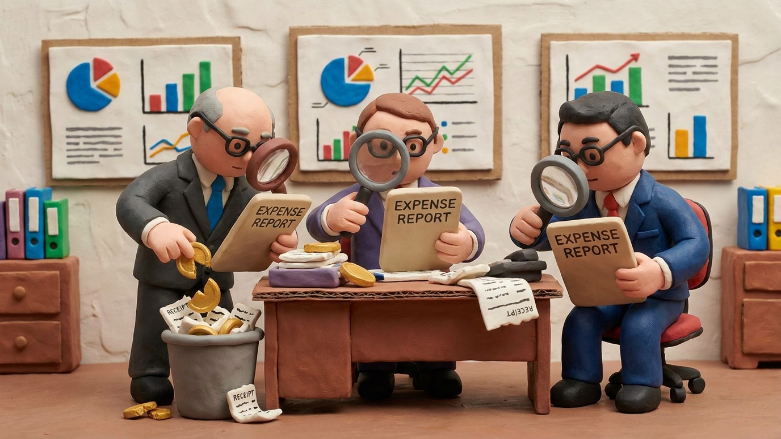
PwC says that the use of data and analytics is growing to review spending and to enhance efficiency. Periodic budget analysis can be used to pinpoint waste and focus their resources on key priorities.
Businesses Want More Financial Flexibility

Deloitte’s CFO Signals survey revealed that finance executives are still pushing cost control and financial resiliency. Few companies can afford flexible budgets to quickly adjust their operations to economic changes.
