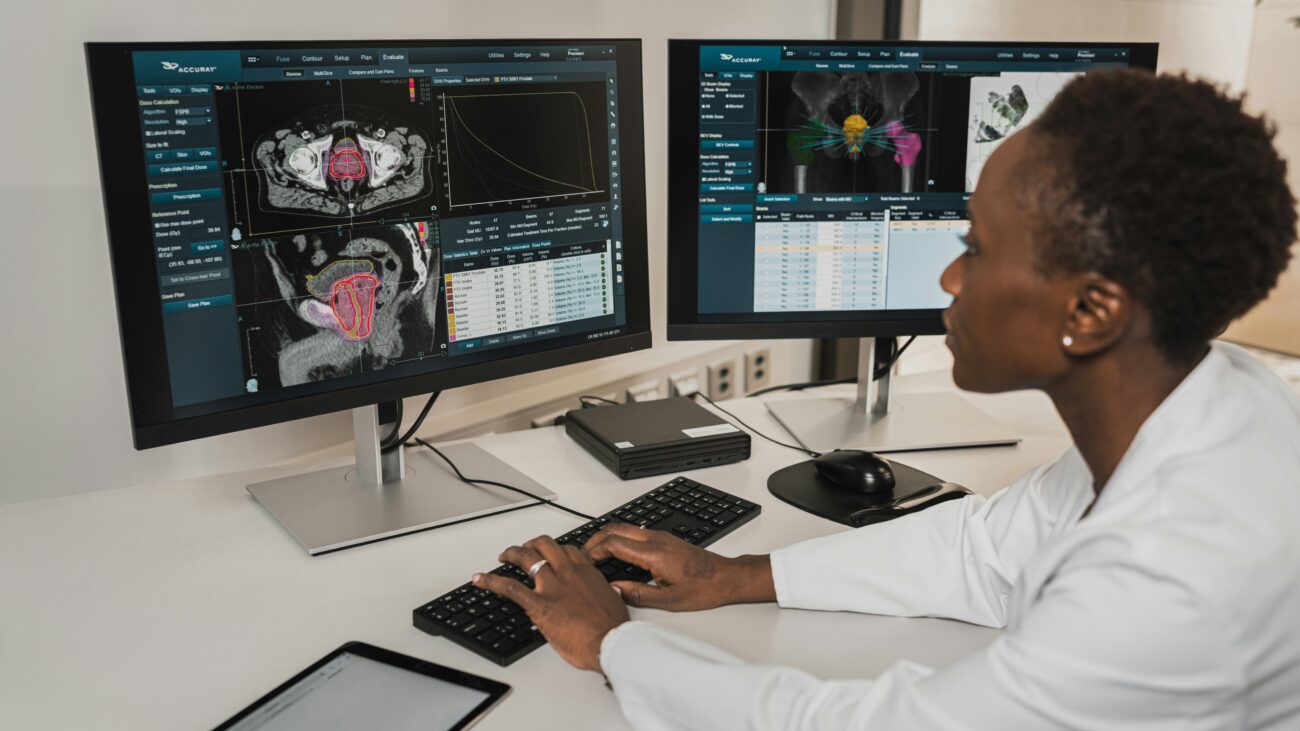
AI is transforming healthcare human resources by mitigating staff shortages, streamlining administrative processes, and meeting the increasing demand for care. AI-driven workflows enable healthcare organizations to boost efficiency and deliver better patient care, ranging from medical notes automation to predicting hospital admissions. Here are the biggest reasons the healthcare industry is embracing AI. Additionally, the source of information includes the World Economic Forum, McKinsey & Company, and the World Health Organization.
Helping Doctors Spend Less Time on Paperwork

Documentation and administrative work can be time-consuming for healthcare professionals. AI voice technology and natural language processing can automate EHR (electronic health records) notes, which can save up to 20% to 30% of administrative time per shift in the clinical setting.
Helping Doctors Find Problems Faster
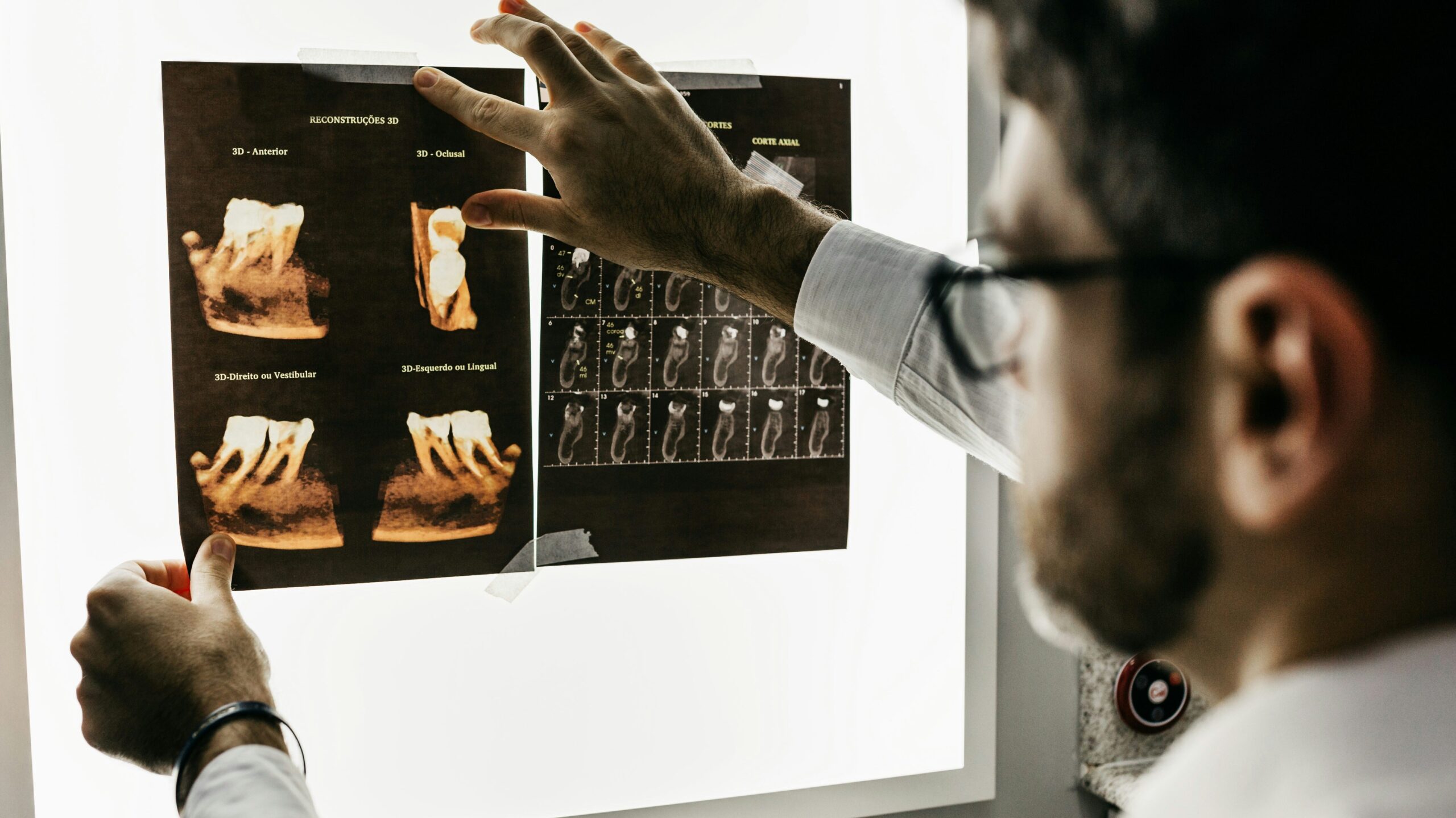
Radiologists and specialists are under strain because of the increasing number of medical imaging volumes. In radiology, dermatology, and ophthalmology, deep-learning algorithms can be used to interpret scans and alert your clinicians to potential abnormalities, thus reducing the time spent reviewing cases.
Treatments Are Becoming More Personal

Machine learning is increasingly being applied in healthcare to integrate genetic data, medical history, and lifestyle data. These tools assist doctors in formulating more personalized treatment plans, especially in fields like oncology and cardiovascular medicine.
Hospitals Are Using AI to Reduce Wait Times

There is a consistent staffing and overcrowding issue in the hospital. Predictive Analytics relies on historical admission and discharge information to make predictions, optimise staffing schedules, and enhance patient movement throughout the hospital.
AI Is Taking Over Medical Billing Tasks

Medical billing and claims for insurance are intricate coding and documentation processes. Billing, coding, and claims auditing are automated by AI systems, minimizing mistakes and accelerating reimbursement procedures.
Hospitals Are Using AI to Manage Supplies

Medical supply management is a daily challenge for healthcare organizations, which handle thousands of medical supplies on a daily basis. Machine-learning systems can monitor stock levels and forecast demand, which can assist hospitals in preventing shortages and decreasing unnecessary waste.
Patients Can Now Get Help Anytime

Nowadays, many healthcare providers provide digital assistants that can answer questions, schedule appointments, and give information after discharge. Generative AI tools are used to assist outside of office hours.
Doctors Are Monitoring Patients From Home

There is an enormous amount of health data being generated by wearable devices or remote sensors. Algorithms in AI systems use these data streams to detect shifts in these chronic conditions and notify care teams before the condition worsens.
Helping Reduce Staff Burnout

Administration and staffing challenges continue to be a driver of clinician burnout. AI has the potential to alleviate some of these pressures by automating repetitive tasks and streamlining workflows within healthcare organizations.
