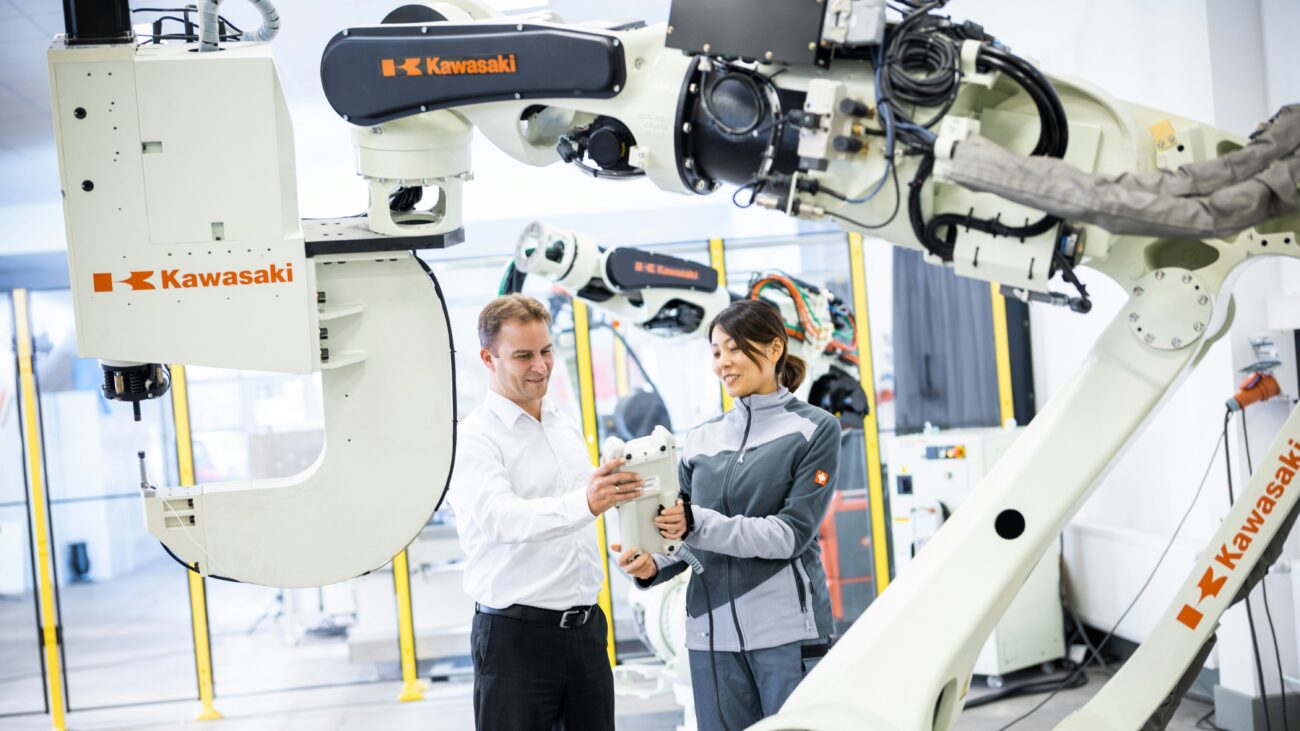
The business world is still getting used to Industry 4.0 technologies such as artificial intelligence, automation, and smart manufacturing. But now experts are talking about the future: Industry 5.0. It not only seeks to improve productivity and profit, but to integrate human creativity with cutting-edge technology while working on a wider social, environmental agenda.
Industry 5.0 Builds on Earlier Revolutions
Each industrial revolution developed upon the innovations of previous revolutions. Industry 5.0 builds on the tools and technology that were invented in Industry 4.0 and extends their application for businesses and industries.
The Goal Goes Beyond Automation

Although automation is essential, the emphasis of Industry 5.0 is to foster better integration of technology, individuals, and business processes. It’s not just about doing things faster; it’s about working smarter together.
Breaking Down Business Silos

Lots of organizations have digitized some parts of departments, but they are not interlinked to other systems. Industry 5.0 has been designed to bridge these silos and help promote collaboration throughout the enterprise.
Innovation Could Become Continuous

Innovation is not a one-off initiative, but an ongoing process of improvement built into the system, as Industry 5.0 fosters a culture of continuous innovation. Digital insights enable companies to find new opportunities and constantly evolve.
Humans and Machines Will Work Side by Side
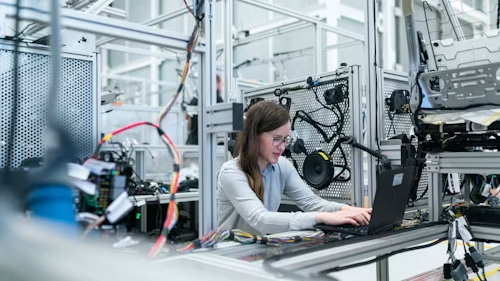
One of the central pillars of Industry 5.0 is that of collaboration between man and machine. Advanced systems are not intended to supplant human decision-making, but to complement, augment, and increase productivity.
Collaborative Robots Are Expected to Grow
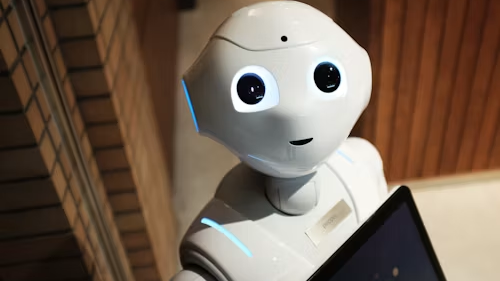
These machines are known as “co-robots,” or “collaborative robots,” and are designed to collaborate with people. They can perform repetitive tasks, whereas humans can oversee, be creative, and solve problems.
AI Is Already Showing the Model
There are already AI systems in use in many businesses that need human oversight. The technology takes care of repetitive tasks, and employees review the results and approve them if there is any need for accuracy.
Operations May Become Smarter
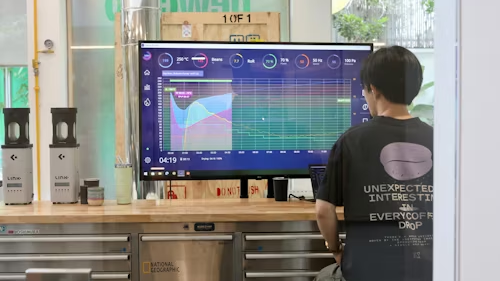
Industry 5.0 applications may assist businesses in discovering more efficient methods for managing inventory, logistics, and processes. Experienced workers might make final choices, and technology can offer recommendations.
Sustainability Plays a Bigger Role
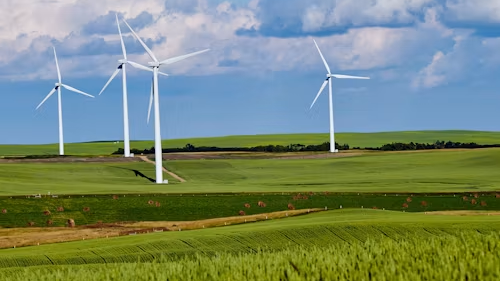
In contrast to the previous industrial revolutions, which were mainly about growth and efficiency, Industry 5.0 has a more pronounced focus on environmental sustainability and sustainable resource management.
Collaborate on Global Challenges

They think that Industry 5.0 connected technologies could have a more global impact by solving common problems like climate change, resource conservation, and economic sustainability, which are beyond the scope of any specific company.
