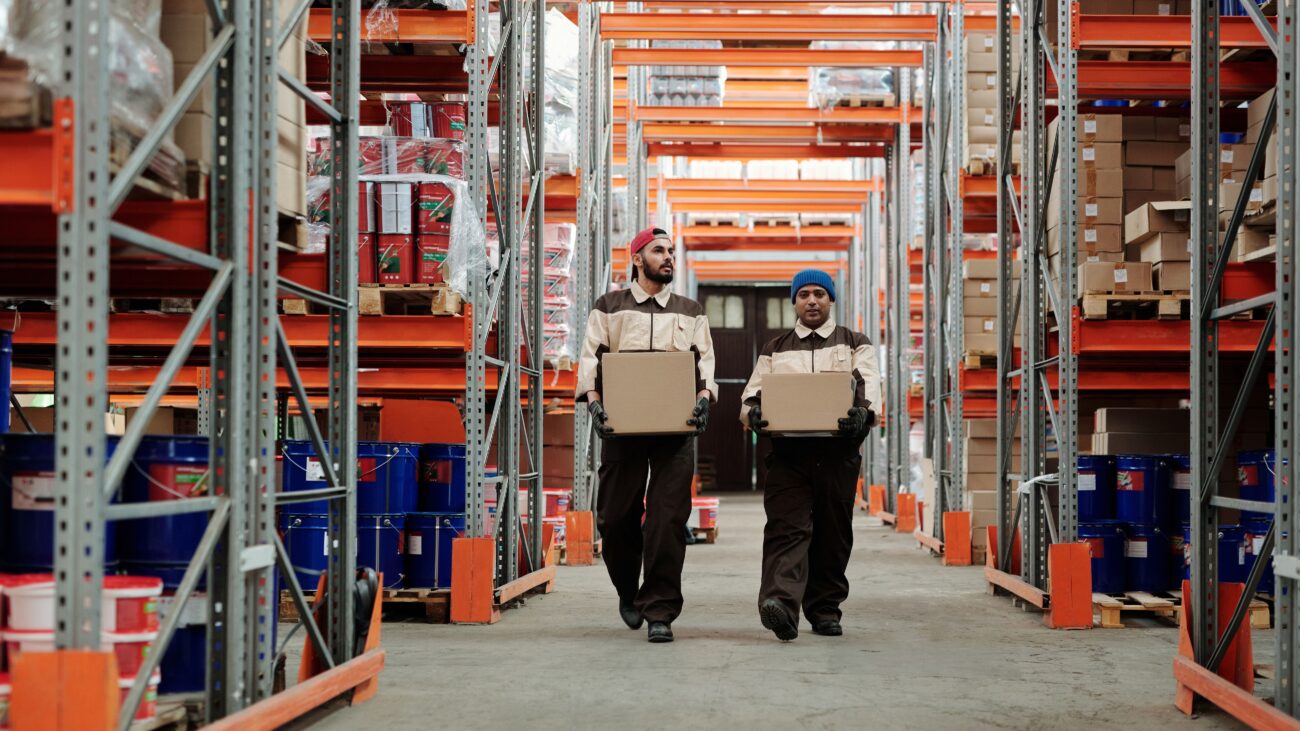
Modern supply chains are under increasing pressure due to the growing requirements of their customers, the rising costs of operations, as well as the more and more complicated logistics network. Businesses are investing in logistics automation to boost efficiency and remain competitive by leveraging the power of artificial intelligence and data-driven solutions.
Manual Processes Can Be Costly

Errors in order processing, inventory mismatches, and late deliveries are common issues in manual logistics. These problems can result in higher operating expenses, lower efficiency, and impacts on customer satisfaction, to name a few, making automation an appealing alternative.
Faster Operations Improve Competitiveness
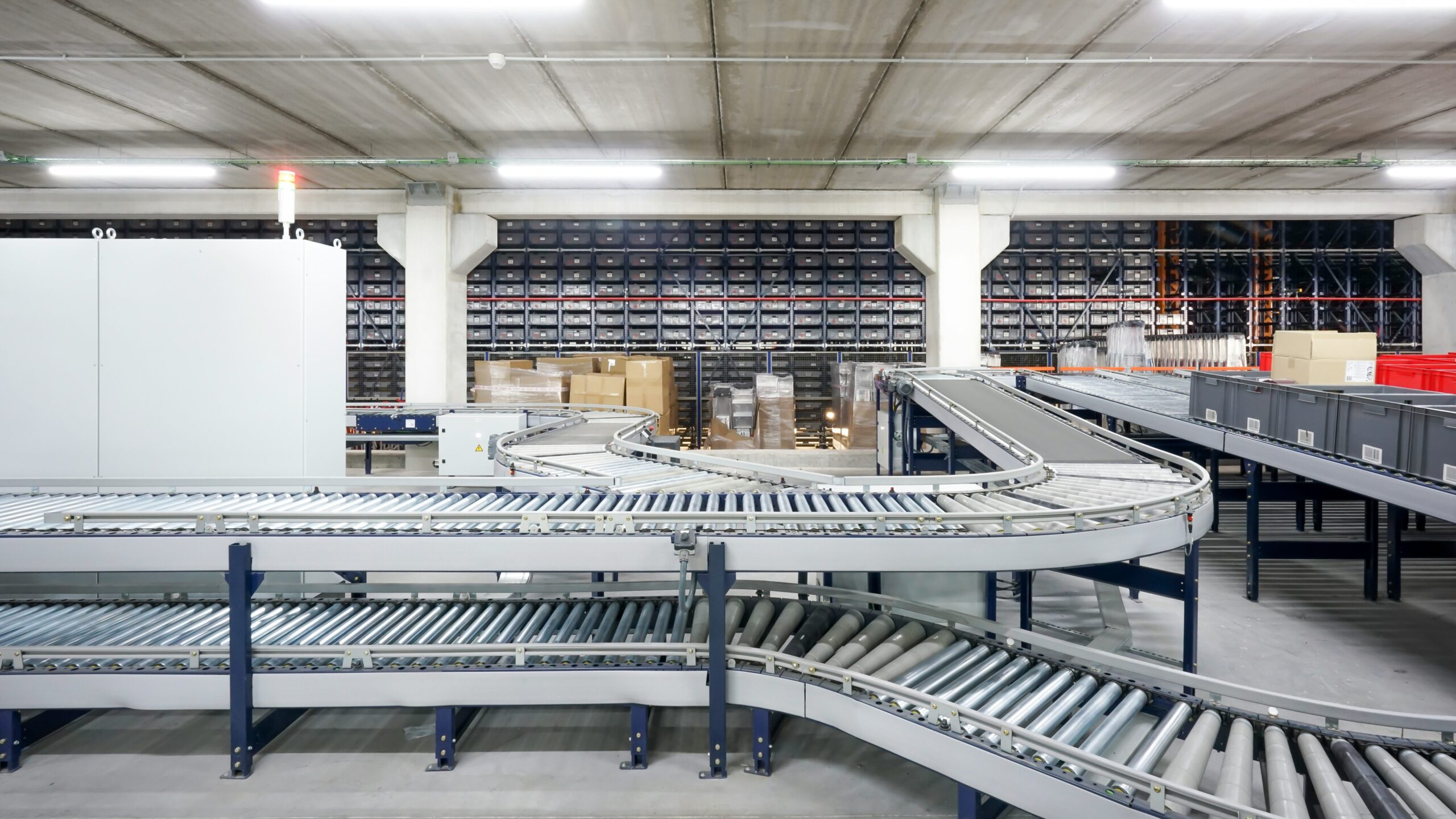
Automation facilitates businesses to order, stock, and coordinate the delivery of goods and services more efficiently. The faster the operations, the faster the company can adapt to the demands of customers and the market.
AI Helps Businesses Make Better Decisions

Data can be used for artificial intelligence analytics, enabling real-time decision-making based on traffic patterns, weather, customer demands, and inventory. This enables businesses to prepare for disruptions instead of just responding to them.
Smarter Inventory Reduces Waste

Predictive analytics using artificial intelligence can help forecast demand and automate inventory management. Improved inventory management can help prevent stockouts, avoid excess inventories, and boost cash flow.
End-to-End Visibility Supports Better Planning

Automated logistics workflows are integrated and streamlined to tie order processing, warehousing, transportation, invoicing, and delivery together into one system. Real-time visibility allows managers to track operations and make quick and informed decisions.
Automation Improves Accuracy at Scale
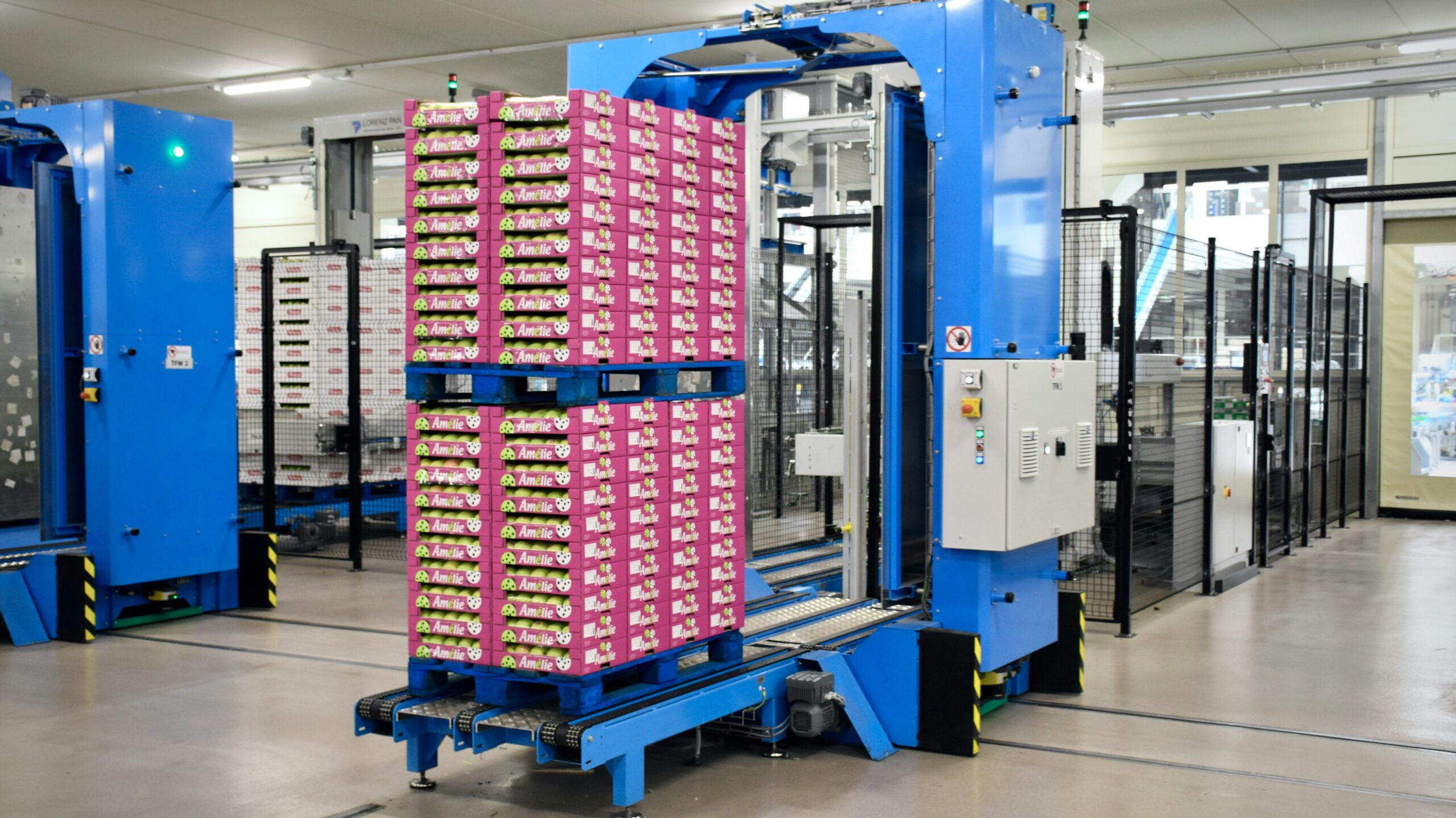
Automated systems can execute repetitive tasks without getting tired as order volumes increase. It ensures accuracy in a complex logistics operation and contributes to the business development.
Better Logistics Can Improve Customer Experience

Today’s consumers demand speedy delivery, precise delivery time promises, and updates on their orders in real time. Logistics automation aids companies in delivering against these expectations by offering an improved and clear fulfillment process.
Automation Makes Growth Easier
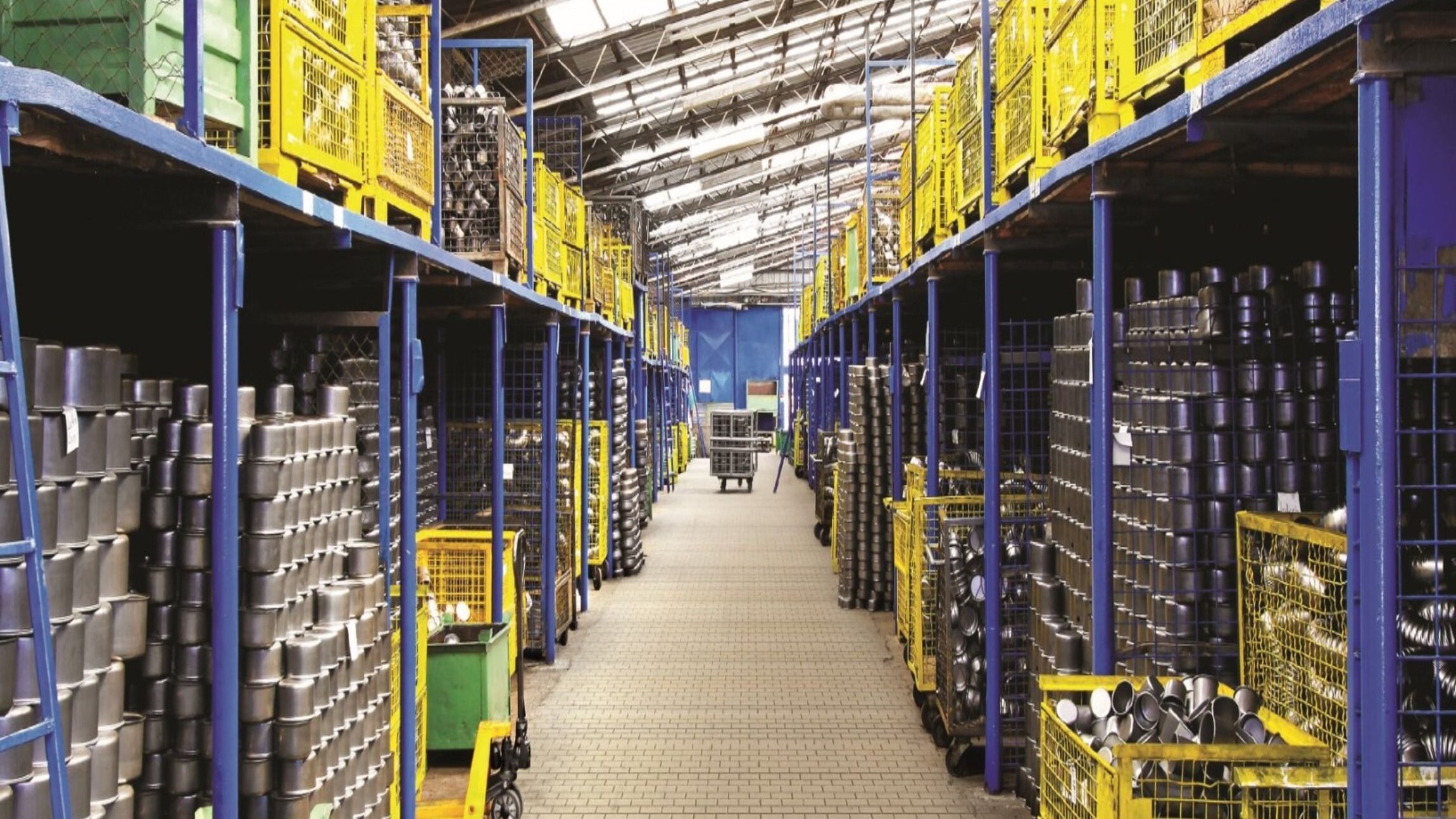
Automated systems can manage more workloads during seasonal surges or when the expansion is fast, without a dramatic increase in complexity. This provides businesses with a greater degree of scalability.
Compliance and Risk Management Become Simpler

Organizations can use automation to keep digital records, detect anomalies, and ensure regulatory compliance. The reduction of manual processes can also help decrease the likelihood of human error or fraud.
Companies Are Preparing for the Future
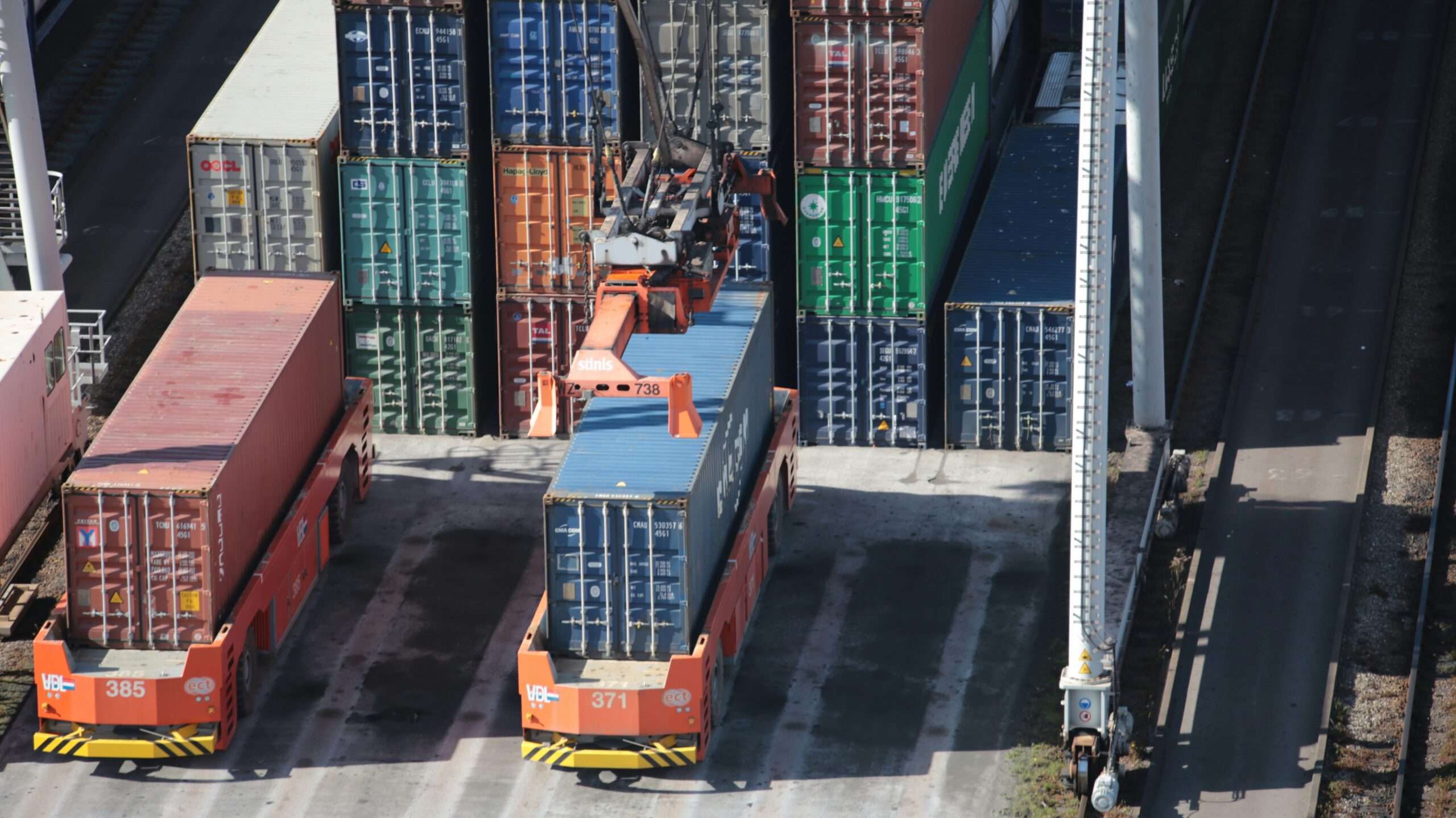
Logistics automation is a long-term investment for many organisations. The use of emerging technologies like predictive analytics, intelligent routing, and autonomous decision-making is projected to become more common in supply chains in the near future.
