
The leadership gap that defined the last decade was about digital fluency and the leaders who crossed it first built advantages their competitors are still recovering from. The gap defining this decade is considerably more consequential. AI-ready leadership is not about technical understanding it is about building the organizational culture decision frameworks and human capital strategies that allow AI to generate real competitive returns. Here is what separates those leaders from everyone else.
They Have Moved From AI Awareness to AI Fluency

Understanding that AI exists is no longer a differentiating leadership quality and neither is the ability to describe its broad capabilities to a board. The leaders pulling ahead in 2026 have developed genuine fluency in understanding where AI excels and where the human judgment layer must remain non-negotiable regardless of what the technology suggests.
They Are Building AI-Ready Cultures Not Just AI Stacks
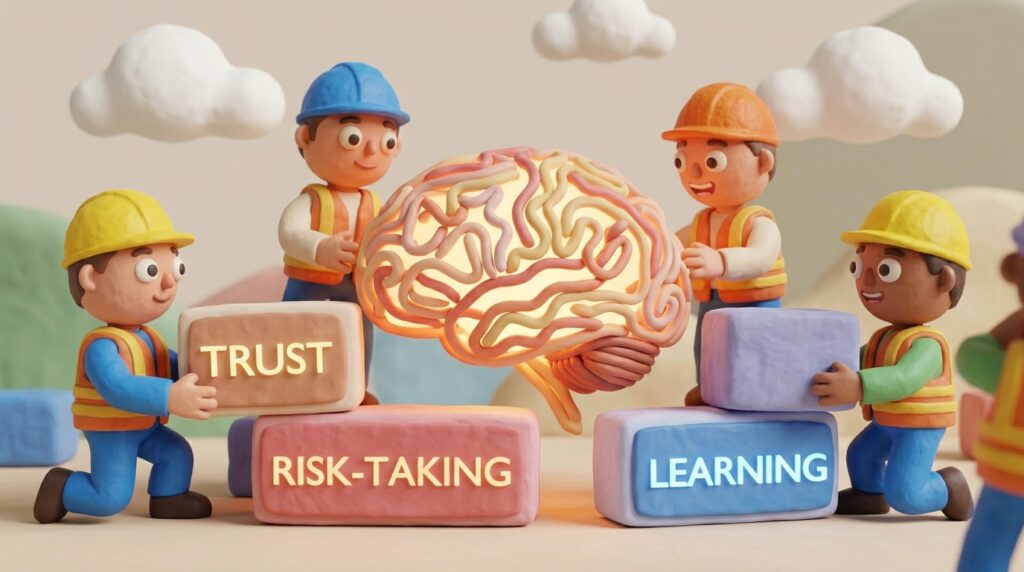
Technology adoption without cultural adoption is one of the most well-documented failure modes in enterprise transformation and AI is no exception. The leaders generating real returns invest equally in psychological safety experimentation norms and learning infrastructure as they do in platforms themselves because the culture has to carry the technology forward.
They Use AI to Make Faster and Better Decisions

The competitive advantage is not in having AI make decisions it is in using AI to compress time and improve the quality of human decision making. AI-ready leaders have restructured their decision workflows to incorporate real-time data synthesis and scenario modeling in ways that make their judgment consistently faster more informed and more accurate.
They Are Winning the Talent Market Through Their AI Strategy

Top performers increasingly choose employers based on AI strategy, along with compensation and culture. Organizations led by AI-fluent leaders attract stronger candidates faster, as these candidates see that an AI-enabled environment will enhance their market value and professional development.
They Reskilled Their Workforce Before the Gap Became a Crisis

Leaders did not wait for a skills gap to act. Proactive investment in AI literacy, role redesign, and decision-making training has equipped their workforce to complement AI capabilities instead of competing for the same tasks.
They Treat AI Ethics as a Competitive Advantage

Leaders framing AI governance as a leadership opportunity are building trust more effectively than competitors. Transparent decision-making, clear data governance, and accountability structures are yielding measurable reputational benefits in 2026, directly enhancing customer and partner loyalty.
They Measure AI ROI With a Long-Term Lens

The lack of sustained investment in AI can result in missed opportunities for investment in the right technology at the right time. AI-ready leaders invest in the development of their capabilities over the short term as well as in the long term, knowing that the fruit of AI adoption will only start to bear in the long term.
They Lead With Curiosity Rather Than Anxiety

Leaders navigating the AI transition are characterized more by curiosity than technical knowledge. They embody the experimentation mindset they promote and invest in continuous learning, knowing that culture follows leadership.
The Window to Build AI-Ready Leadership Is Narrowing Fast

The organizations that will define the second half of this decade are largely identifiable today by the quality of their leadership’s relationship with AI. The gap between AI-ready leaders and their competitors is widening at a rate that makes the next twelve months a particularly consequential window for any leader who has not yet made this a genuine priority.
