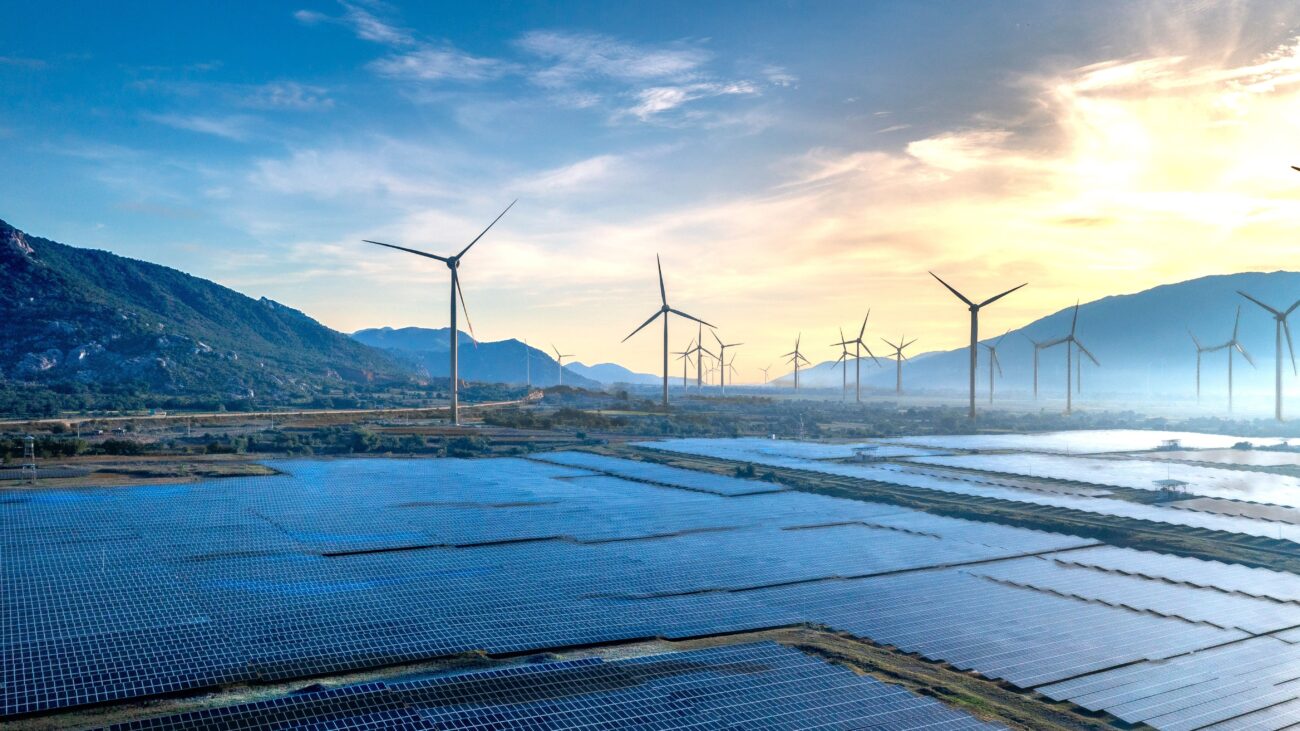
In recent years, there has been a surge in the demand for electricity, concerns about energy security, and also about greenhouse gas emissions, all of which have contributed to the growth of renewable energy. According to International Energy Agency (IEA) research and International Renewable Energy Agency (IRENA) studies, the use of clean energy technologies is becoming an increasingly important factor in economic development and long-term energy security. Here are some valid and relevant reasons to support the said statement.
Renewables Are Expanding Rapidly
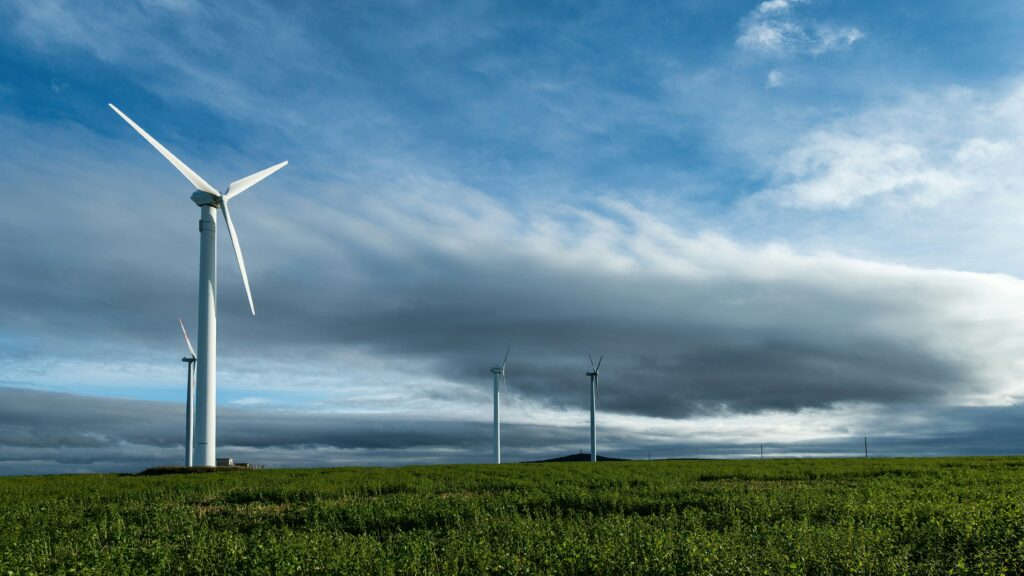
Renewables also saw a significant increase in new electricity generation capacity, making up over 90% of the total, according to the International Energy Agency (IEA).
Solar Is Leading New Power Installations
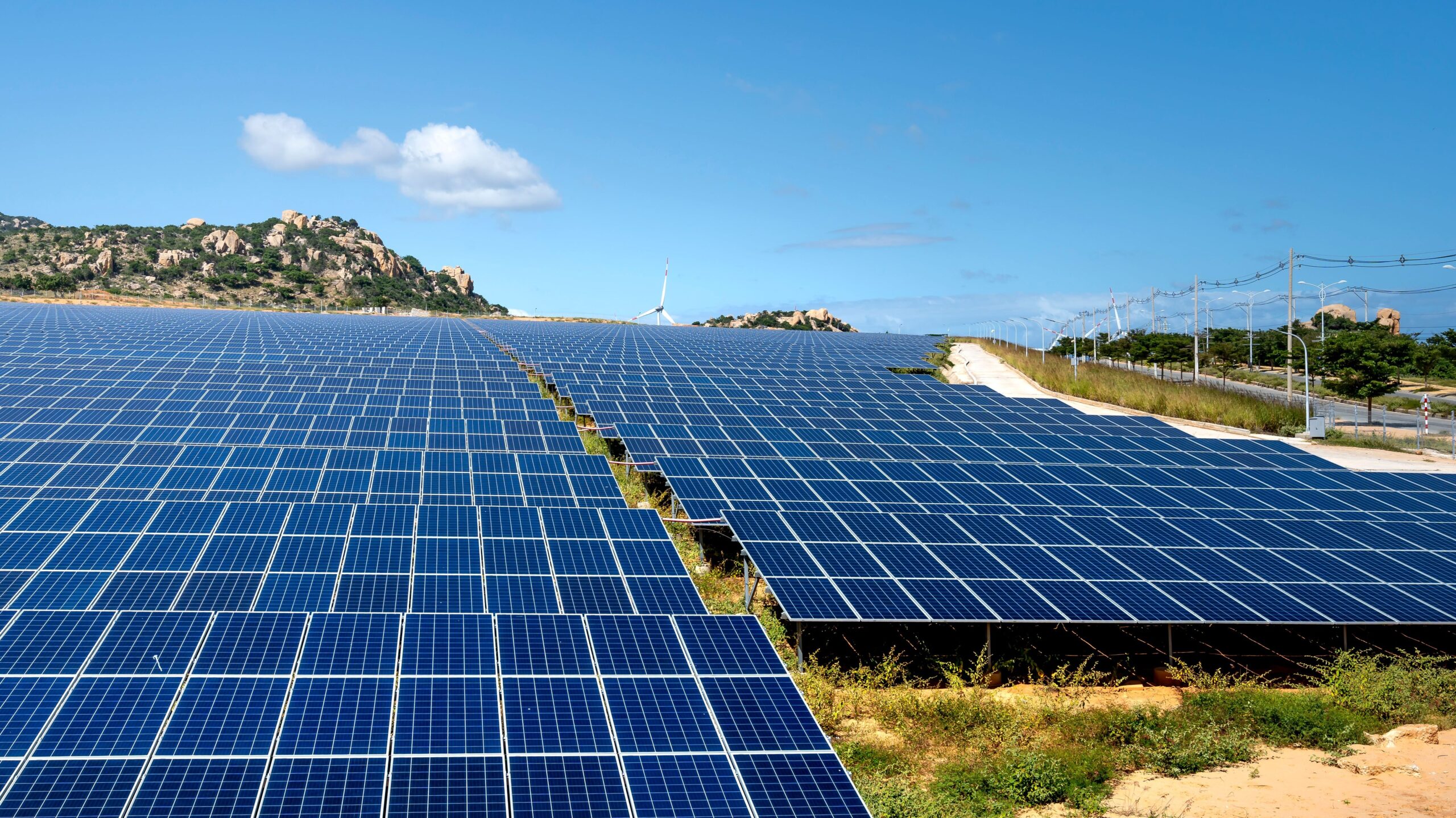
According to the International Renewable Energy Agency (IRENA), global renewable energy capacity grew to almost 4.5 TWh in 2024, with solar energy leading the new installations.
Clean Energy Investment Is Rising

According to the International Energy Agency, global investment in clean energy is expected to exceed $2 trillion in 2025, surpassing investment in fossil fuel supply.
Renewable Energy Promotes Energy Security
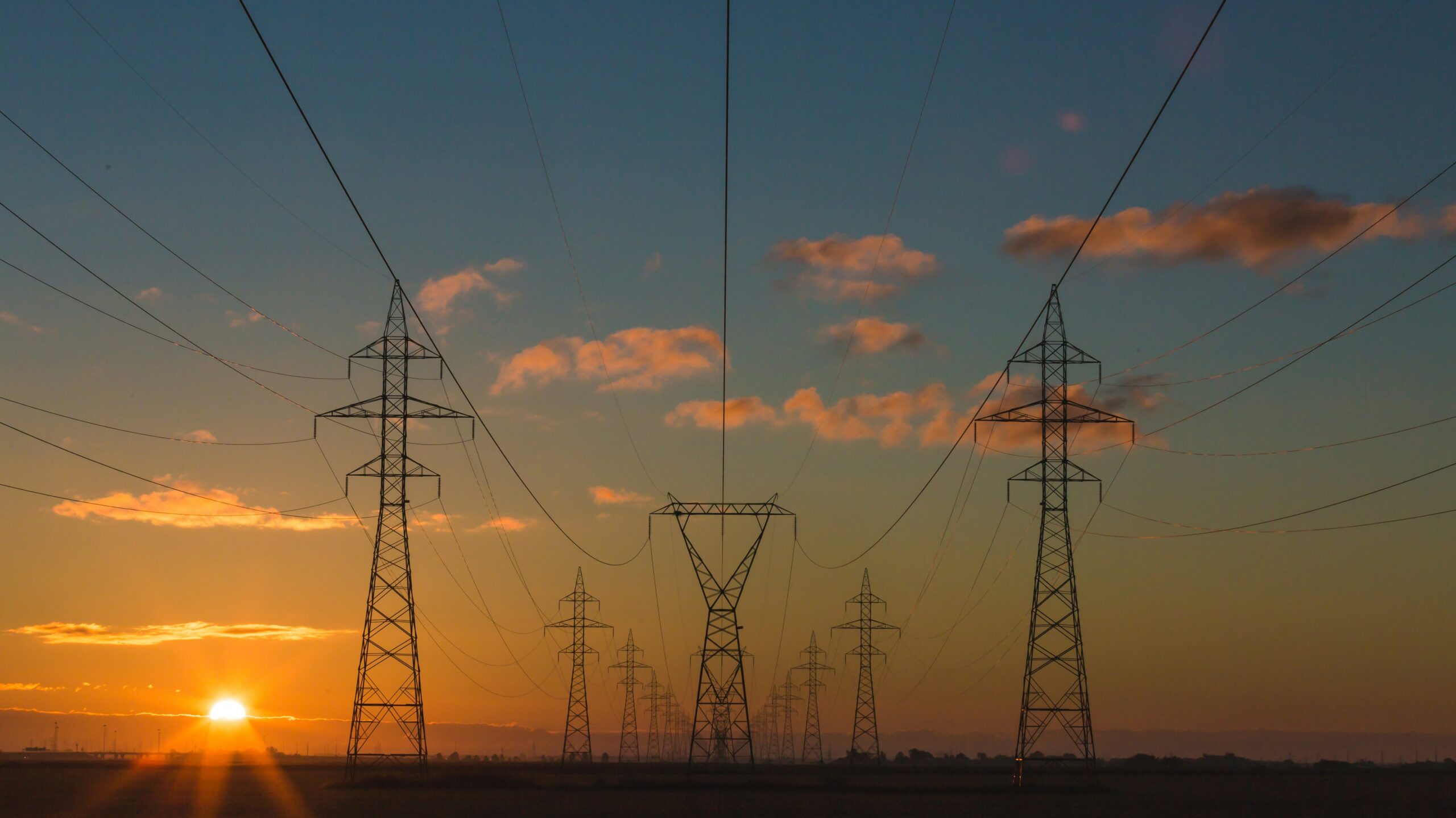
According to the World Bank, renewable energy can help to increase energy security by decreasing reliance on imported fuels and diversifying energy sources.
The Industry Is Creating Millions of Jobs
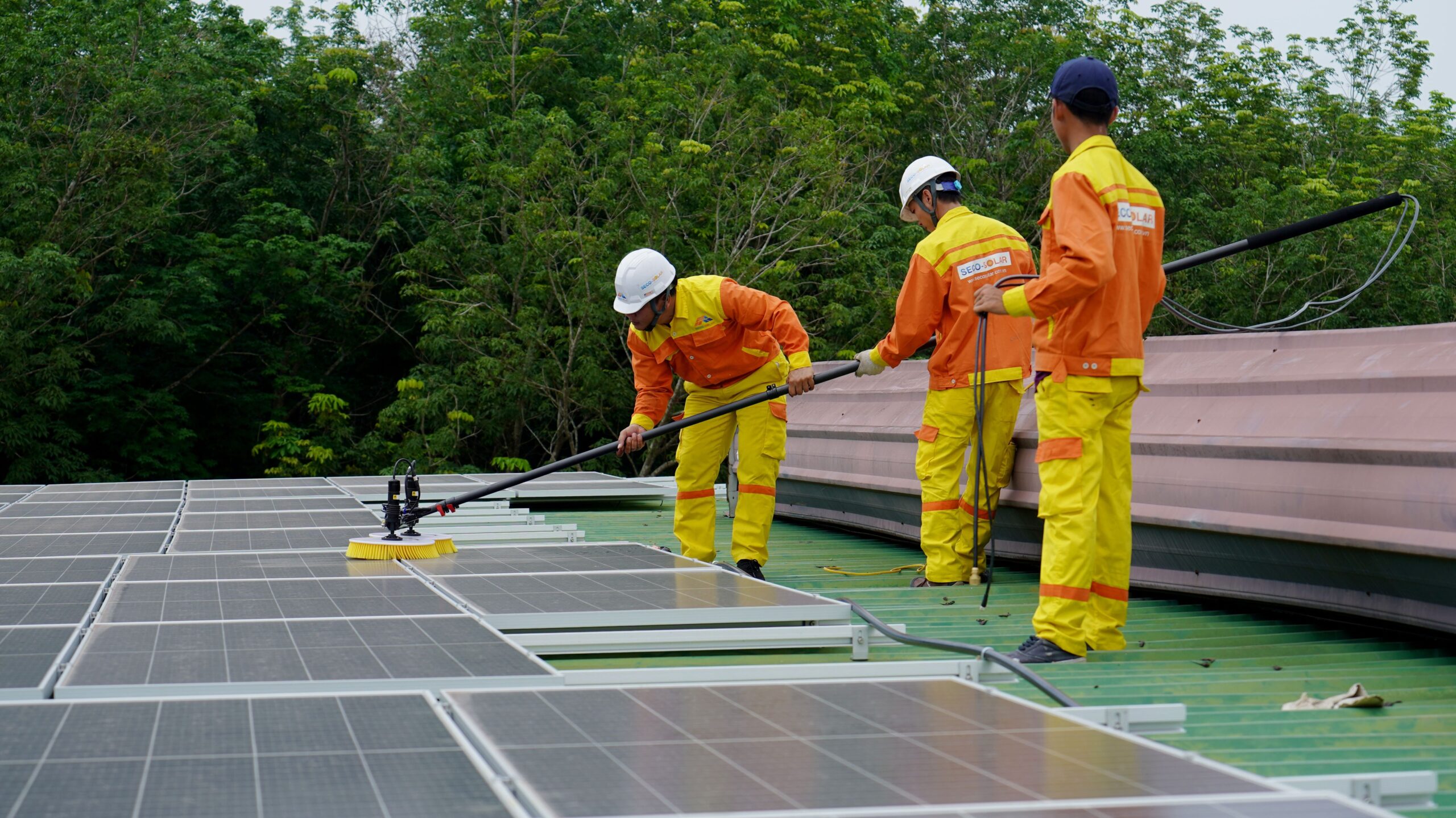
In 2023, IRENA and the International Labour Organization (ILO) estimate the global renewable energy industry to provide jobs for around 16.2 million people, a rise from around 13.7 million in 2022.
Renewable Electricity Is Becoming More Affordable
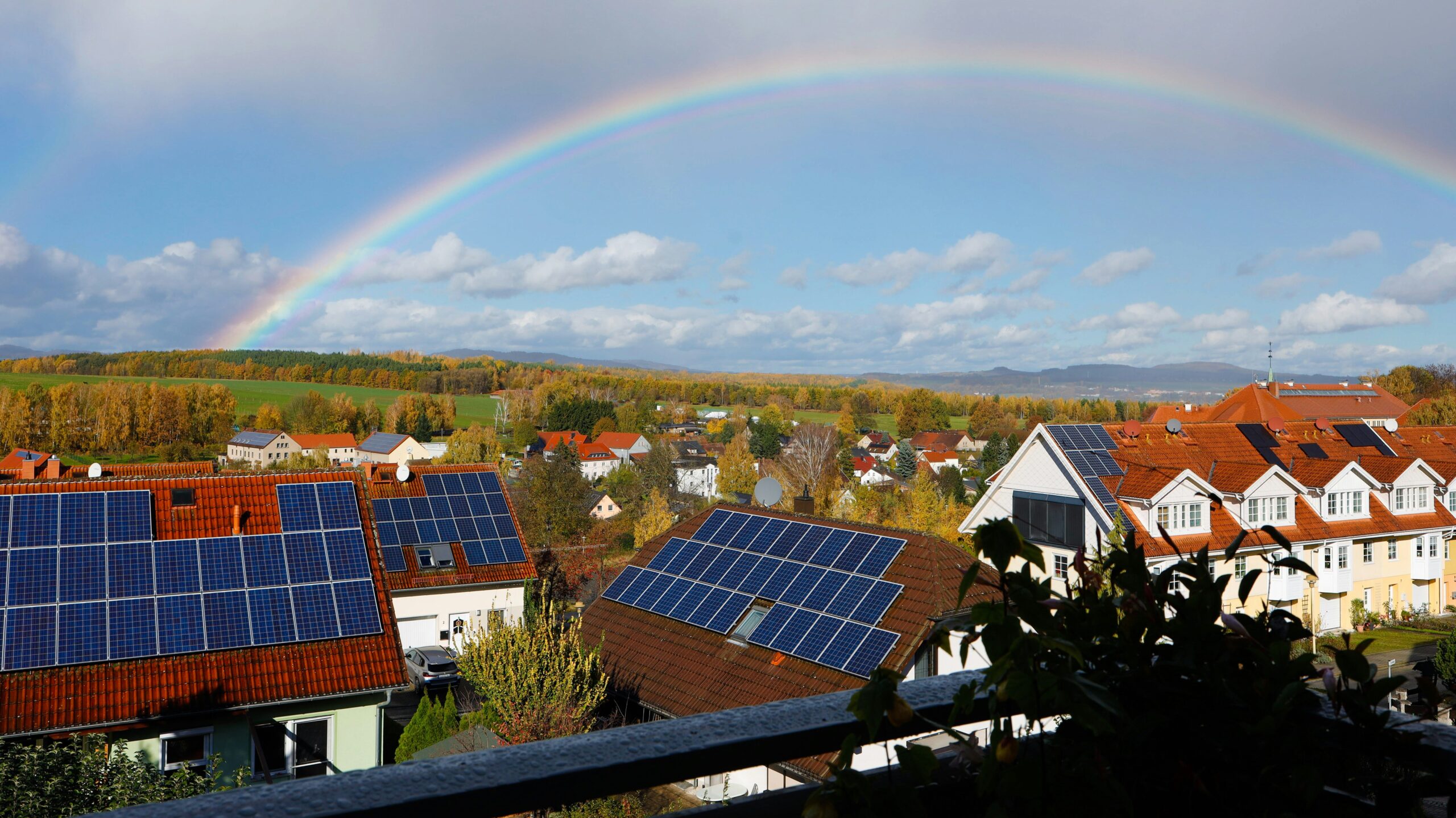
The International Renewable Energy Agency reported that the cost of utility-scale solar power has declined by more than 80% since 2010, making renewable electricity increasingly competitive.
Driving More Renewable Projects
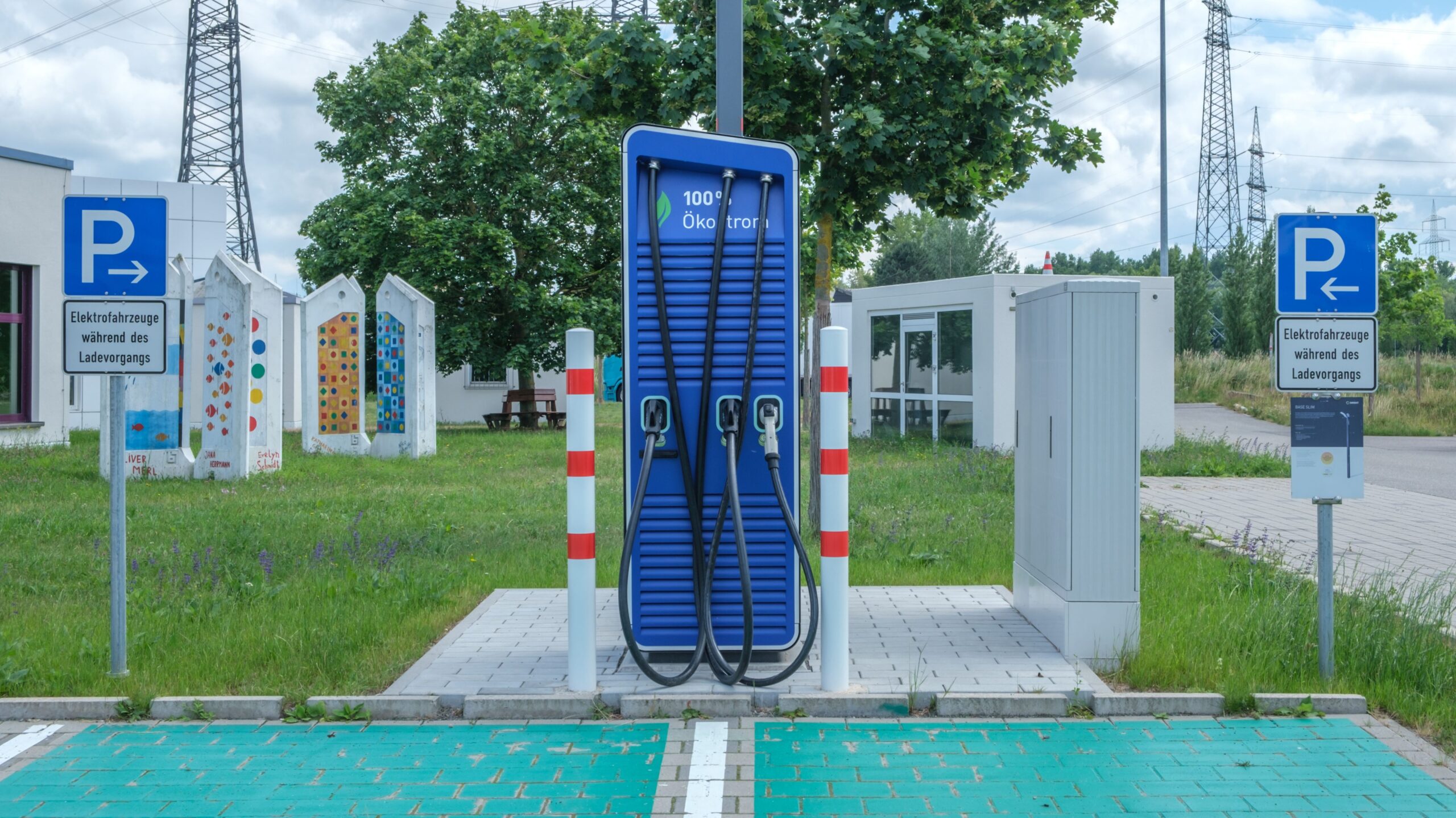
The International Energy Agency (IEA) has said that the increasing demand for electricity in industry, data centres and transport is driving up investments in renewable electricity generation capacity.
Setting Bigger Clean Energy Targets

The United Nations’ research indicates that numerous countries have set targets for their renewable energy to be incorporated into their climate and energy plans.
Helping Reduce Emissions
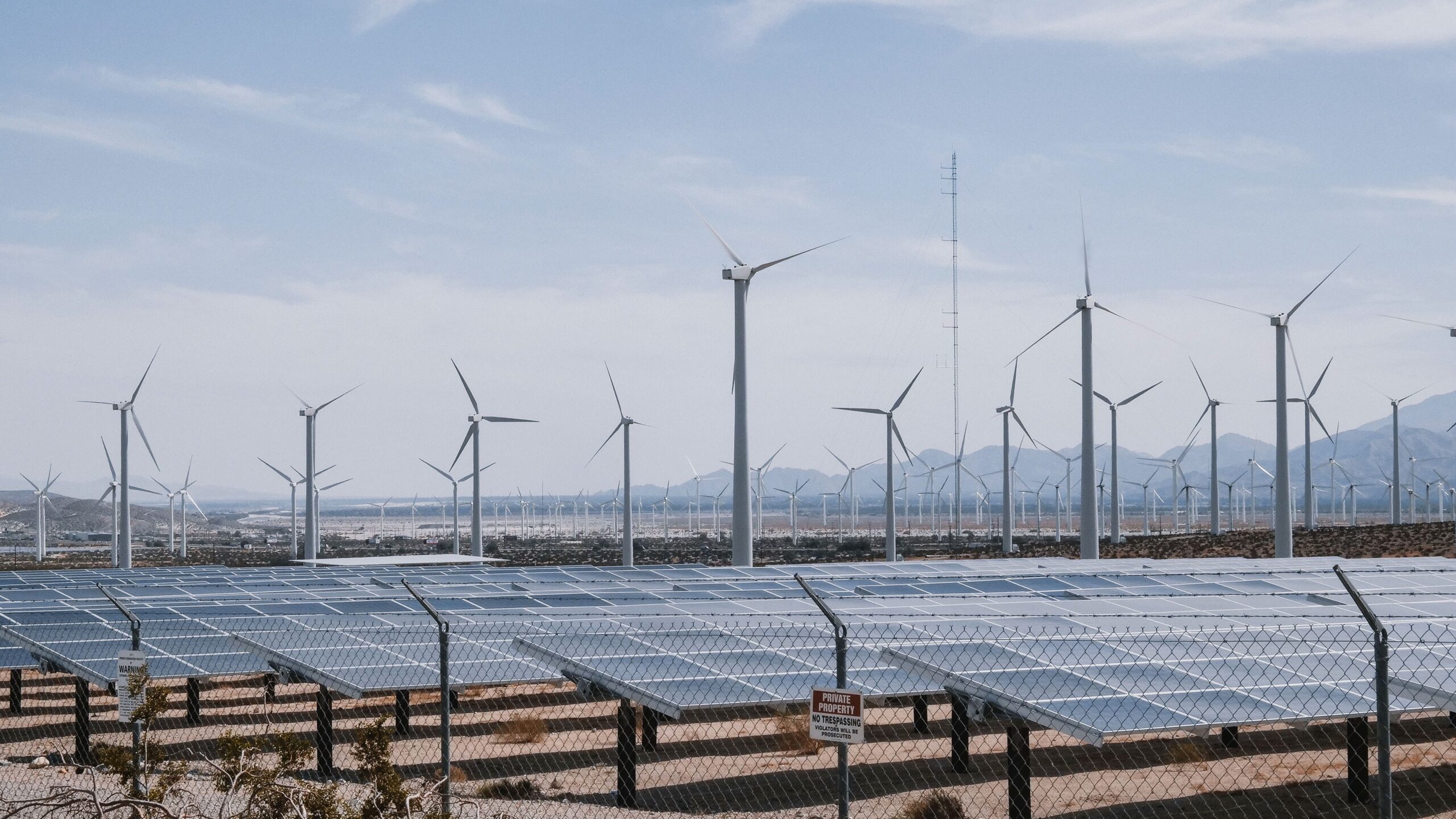
The Intergovernmental Panel on Climate Change (IPCC) identifies renewable energy as one of the key technologies for reducing greenhouse gas emissions from the energy sector.
Becoming an Economic Opportunity
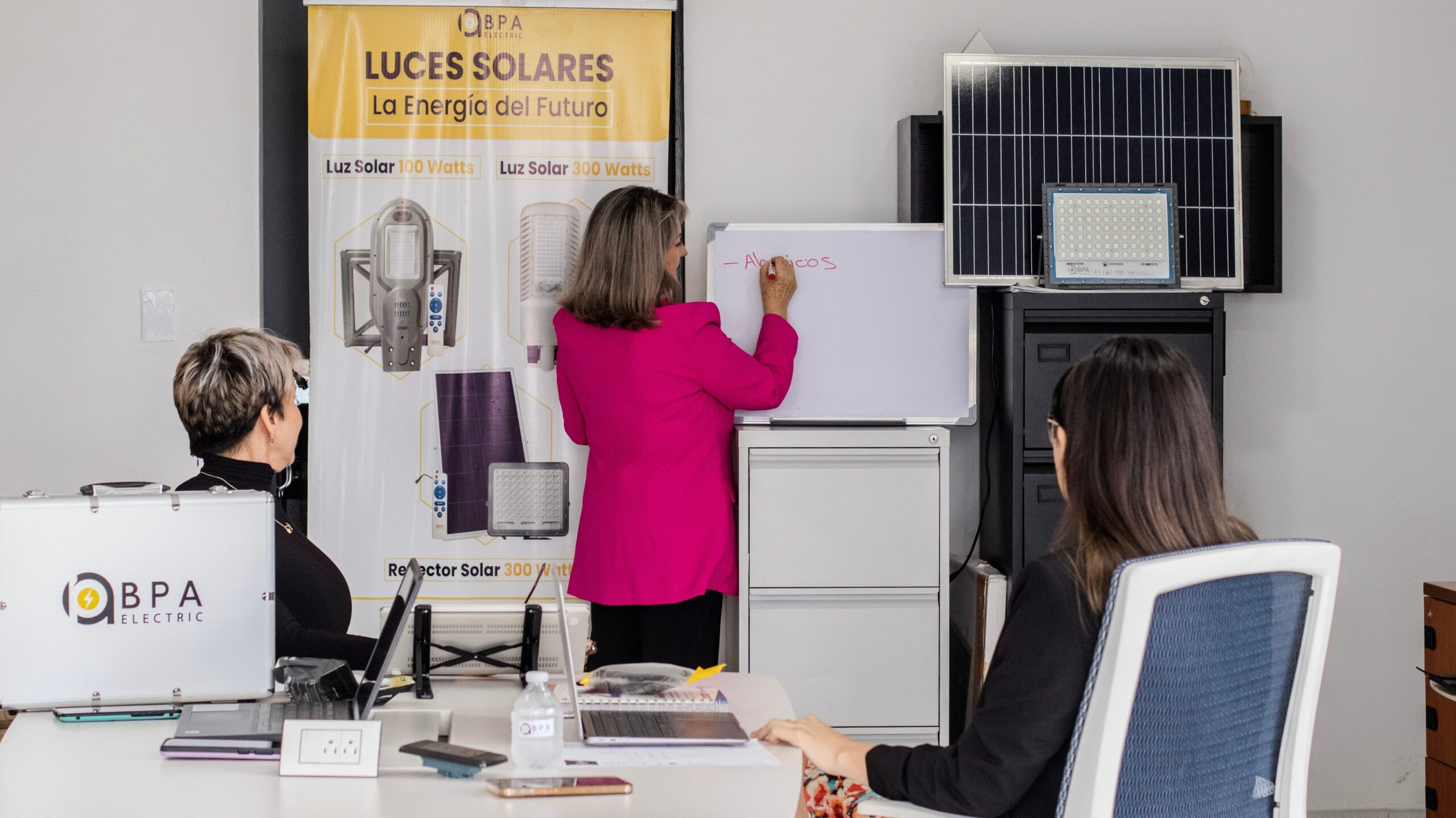
It would not be wrong to say that the shift in energy transition is bringing new opportunities in several verticals, such as manufacturing, technology, infrastructure, and hence increasingly a key force in economic growth.
