
In today’s challenging economic climate, geopolitical tensions, climate change-related events, and consumer trends are forcing companies to prioritize supply chain resilience. Companies are building more resilient and agile supply chains to become more resilient and continue to function in the event of a crisis.
Reducing Disruption Risks

McKinsey & Company reports that companies are remodelling supply chains to be more resilient to disruption, with an enhanced sense of visibility, a diversified supplier base, and contingency planning.
Diversifying Supplier Networks

Gartner research reveals that organisations are broadening their supplier base in other regions to avoid being overly reliant on one source and to ensure supply continuity.
Improving Supply Chain Visibility

According to IBM, corporations are leveraging AI, cloud platforms, and real-time analytics to gain real-time inventory, shipment, and supplier insights. This enables businesses to seamlessly track orders and automate dynamic responses to market fluctuations.
Investing in Digital Technologies
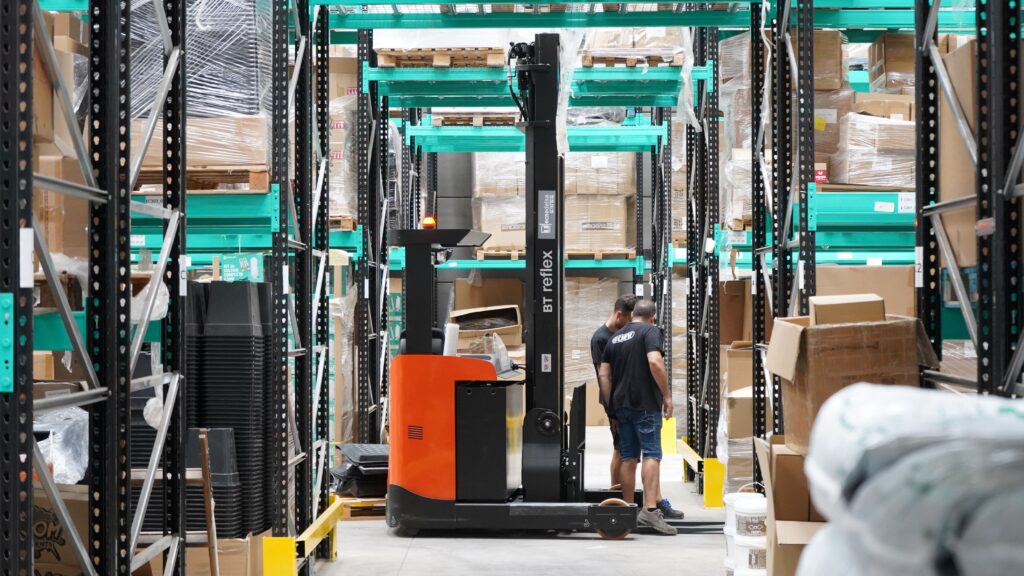
Deloitte says digital tools like predictive analytics, automation and digital twins are aiding organisations to oversee operations, spot risks and enhance the performance of their supply chains.
Strengthening Inventory Planning
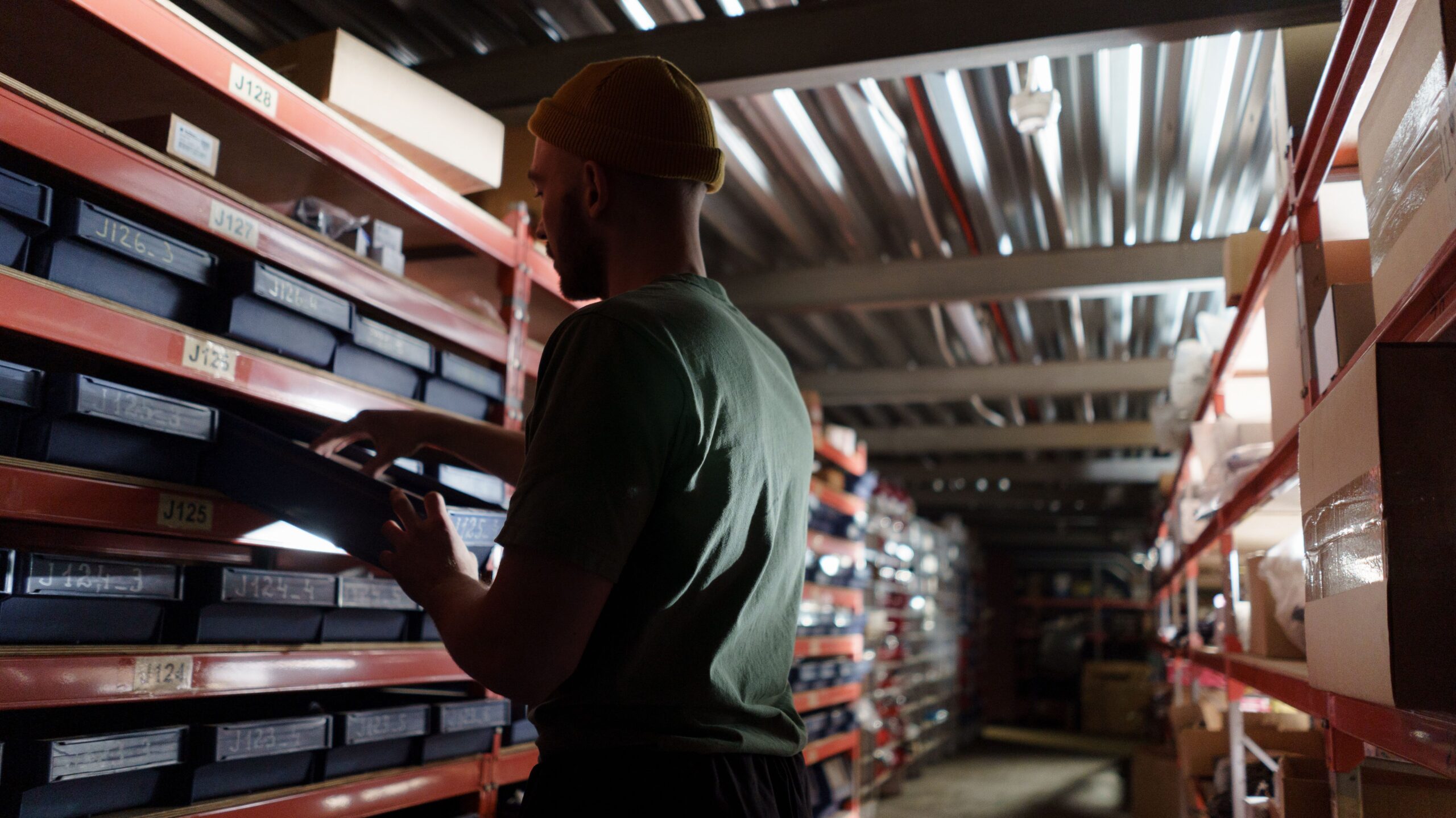
Advanced forecasting and demand planning technologies are helping businesses to manage inventory levels, minimise shortages and overstocking, Accenture states.
Building Greater Operational Flexibility
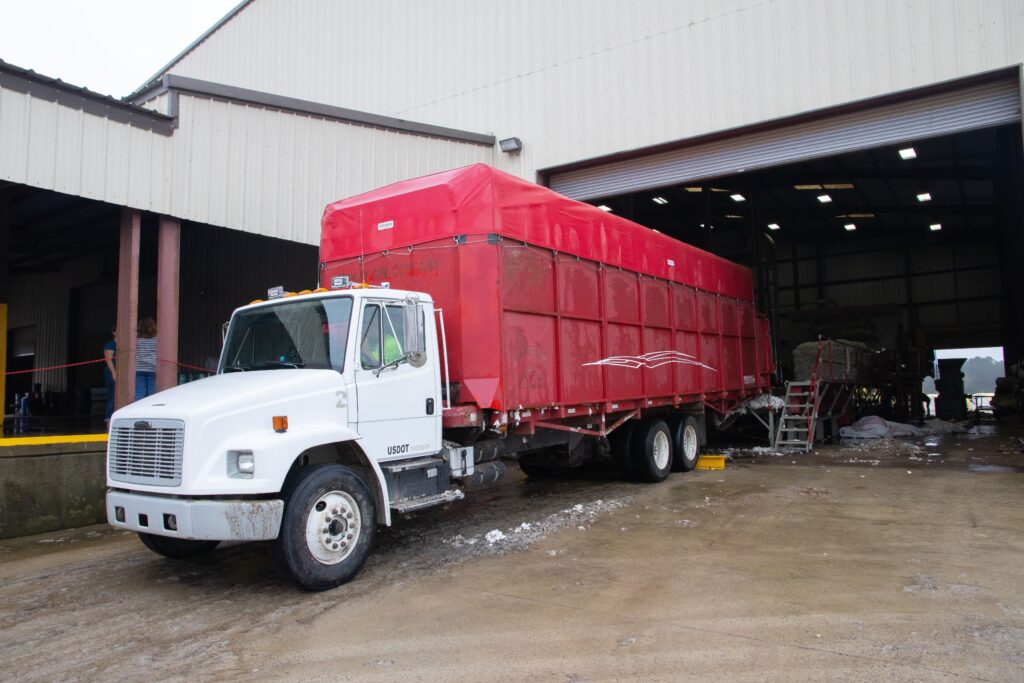
PwC’s research shows that organizations are reimagining their operations to be more agile in adapting to shifts in customer demand, transportation needs and supplier disruptions.
Increasing Regional Sourcing

The World Economic Forum reports that many companies are taking a more regional, even nearshore, approach to sourcing to increase their responsiveness and lessen their exposure to global disruptions.
Enhancing Collaboration With Suppliers

KPMG says better collaboration and data sharing between businesses and suppliers leads to better forecasting, risk management, and more overall supply chain resilience.
Prioritizing Sustainability

The study by EY reveals that companies are increasingly incorporating sustainability into their supply chain strategies and are working on enhancing resource efficiency, lowering emissions, and going for longer-term resilience.
Preparing for Future Uncertainty

To prepare for the disruptions ahead, the United States Chamber of Commerce reports that organizations are focusing more on scenario planning, business continuity, and supply chain risk management.
