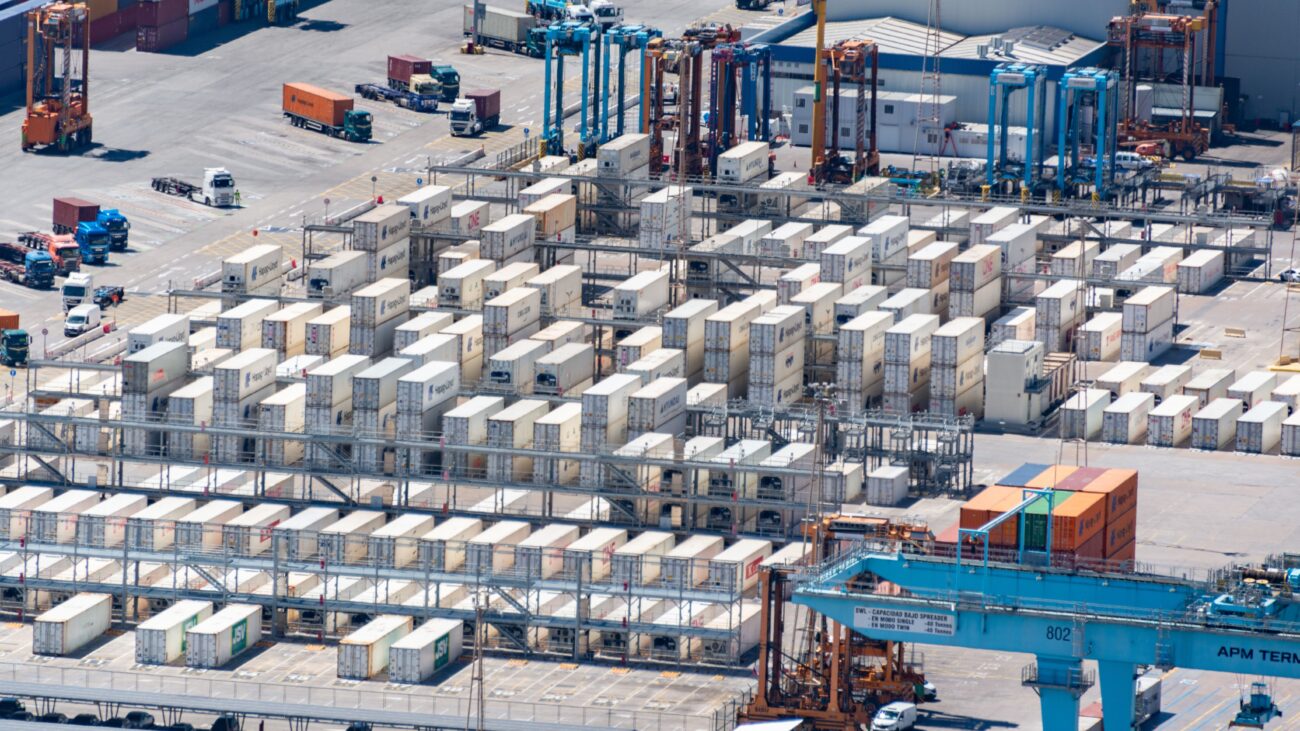
The logistics industry plays a vital role in keeping goods moving between manufacturers, businesses, and consumers. With global supply chains getting more tied together, logistics providers have to deal with more operational obstacles than before. Things like transportation costs that keep going up, and workforce shortages, those can quickly reduce efficiency, and also lower customer satisfaction. If you look closely at the main problems the sector faces and at the tactics organizations use to counter them, you get a helpful perspective about what’s coming next for logistics and supply chain leadership.
Rising Transportation Costs
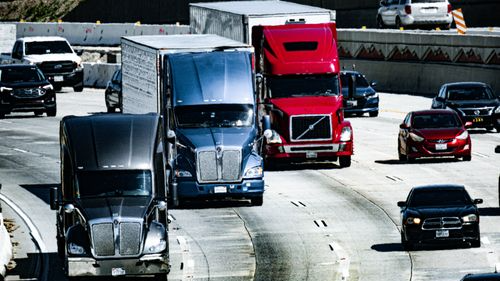
The cost of fuel, vehicle maintenance, insurance, and the cost of infrastructure still have a role to play in transportation budgets. To maximize the efficiency of operations, many logistics companies are trying to solve this problem by using route optimization software, fuel-efficient vehicles, and better shipment planning.
Supply Chain Disruptions
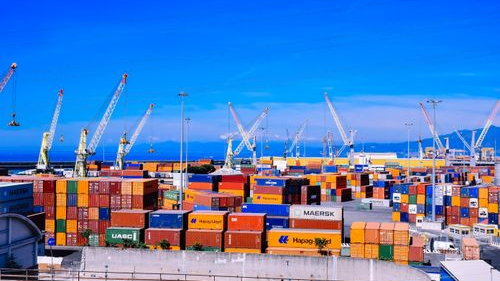
Unexpected events can impact good flows between regions and markets. Companies are adopting multiple suppliers, improving inventory management, and establishing contingency plans to ensure smooth operations in times of disruption.
Driver and Workforce Shortages

In numerous markets, it is still difficult to find qualified drivers and logistics experts. In response, companies are investing in training, workplace benefits, and career development programs to attract and keep talent.
Limited Real-Time Visibility

It can be hard to keep track of goods on long and involved supply chains without precise data. Better visibility for businesses through advanced tracking systems, connected devices, and cloud-based platforms, which enable effective monitoring of inventory and shipments.
Warehouse Capacity Challenges
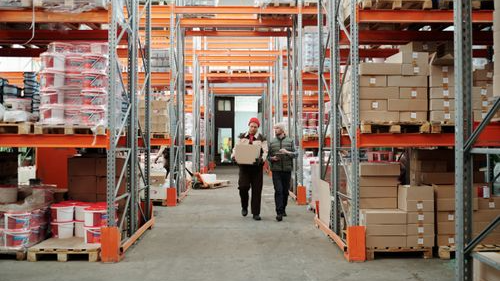
As e-commerce demand is growing, warehouse operations feel more and more pressure. Companies are working on storage layouts in a more organized way, but also using automation technologies, and trying to get better at inventory management, too, so they can squeeze more value out of the space they already have.
Last-Mile Delivery Complexity

One of the most resource-heavy processes of the supply chain can be the direct delivery of products to customers. More efficient route planning, local distribution centers, and delivery technology platforms enhance customer experiences and efficiencies.
Inventory Management Issues

It is important that inventory levels be balanced to plan for the situation. Too much inventory can lead to higher overhead, and too little can have an impact on fulfillment. Predictive analytics and demand forecasting tools aid businesses in making informed decisions regarding their inventory.
Technology Integration Difficulties

Most organisations have a combination of old and new systems in place. The use of technologies, throughout supply chain operations, can enhance communication, data sharing, consistency, and facilitate future digital transformation initiatives.
Sustainability Expectations

Across the logistics industry, environmental issues are gaining more and more significance. Companies are looking at electric vehicles, alternative fuels, optimized transportation routes, and sustainable packaging solutions to aid in efficiency and environmental objectives.
Cybersecurity Risks

With the increasing digitisation of logistics processes, the protection of sensitive information is becoming an increasing priority. By implementing robust cybersecurity protocols, educating employees, and ensuring the security of technology infrastructure, organizations can bolster their defenses and minimize their risk of operation.
