
The workforce keeps evolving, as companies adjust to shifting employee expectations, tech upgrades, and changing market pressures, you know. In 2026, the hiring playbook seems to get a bit more relaxed, yet also more evidence-based, and strangely enough, it’s leaning hard into long-term workforce building. Organizations are also testing fresh ways to pull in candidates, assess fit, and keep good people around, while at the same time shaping squads that can handle tomorrow’s complications.
Skills-Based Hiring Takes Center Stage

Employers are increasingly looking for skills as well as qualifications. Employers are increasingly turning to technical evaluations, portfolios, certifications, and experience to find the right talent for specific positions.
AI-Powered Recruitment Expands
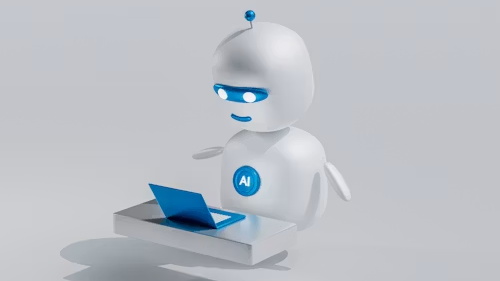
Artificial intelligence is slowly becoming a valuable tool for recruitment teams. AI-driven systems help with candidate sourcing, resume screening, and even interview scheduling, and they support talent matching, so organizations can streamline the whole hiring process.
Remote Work Remains a Major Factor

It would not be wrong to say that for a number of sectors, remote working is still impacting hiring practices. Businesses are making an effort to diversify talent by recruiting from outside the local job market. Additionally, companies save heavily on office infrastructure while leveraging talent markets in varied time zones.
Hybrid Work Models Gain Momentum
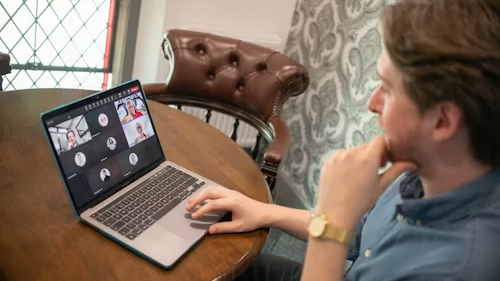
There are various businesses that are turning to the hybrid work policy, combining in-work and remote collaboration. This is an appealing option for both employees and employers, as it is flexible and fosters teamwork.
Internal Mobility Receives More Attention

More businesses are emphasizing developing from within. Internal mobility initiatives enable employees to see what other roles and opportunities they may have within the organisation, develop their capabilities, and assist the organisation in growing.
Employee Experience Shapes Recruitment
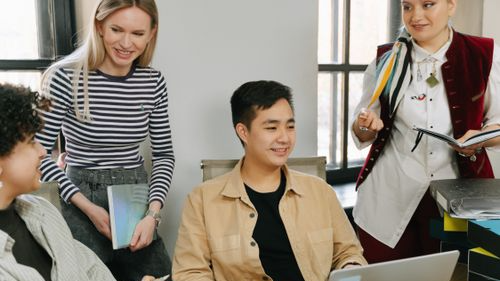
Experience is increasingly becoming a competitive advantage for candidates and employees. Organizations are focusing on their culture, communication, new employee orientation, and professional development to attract and retain the best employees.
Data-Driven Hiring Decisions Increase

Workforce analytics and hiring metrics are increasingly being used by recruitment teams. Data can be used to gain insight into talent trends, enhance candidate selection processes, and drive informed decisions that impact long-term business goals.
Demand for Digital Skills Continues Growing

The rise of digital transformation is driving higher demand for professionals who have expertise and experience in data analysis, cybersecurity, cloud computing, automation, and artificial intelligence. These skills are transferable to many industries.
Diversity and Inclusion Remain Priorities

Organizations persist in developing strategies to promote diversity in their workplaces. Organizations keep developing strategies to promote diversity in workgroups. Different teams have different perspectives and can contribute to innovation, collaboration, and improved business results.
Continuous Learning Becomes Essential
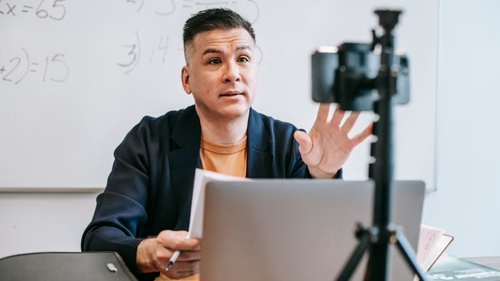
Continuous learning is a major trend in the workplace as technology and workplace requirements change. Employers see adaptability, curiosity, and persistent learning as desirable traits in prospective employees.
