
From consumer spending and hiring decisions to loan costs and development plans. Business owners can learn quite a lot just by staying aware of these signals, because they can act like an early heads-up on where things are going, and how market conditions are shifting. In general, these indicators get tracked very closely by economists, central banks, and investors, over and over again, to judge how healthy the economy feels. Basically, these are key economic indicators a business owner should know about and keep an eye on, even when things seem calm.
Inflation Shows How Fast Prices Are Rising
Inflation is the pace at which the prices of goods and services change over time. The U.S. Consumer Price Index, or CPI, in May 2026 inched up 2.4% over the past year, according to the U.S. Bureau of Labor Statistics. This inflation really affects how people spend, what happens to wages, and it can also raise business costs.
Unemployment Reveals the Strength of the Labor Market

The unemployment rate measures the share of the labor force that is without a job. The unemployment rate in the United States sat at 4.3% in May 2026, according to the U.S. Bureau of Labor Statistics (BLS). The job market can affect consumer confidence, fuel pay raises, and shape job acquisition, kinda all at once.
GDP Measures Overall Economic Growth
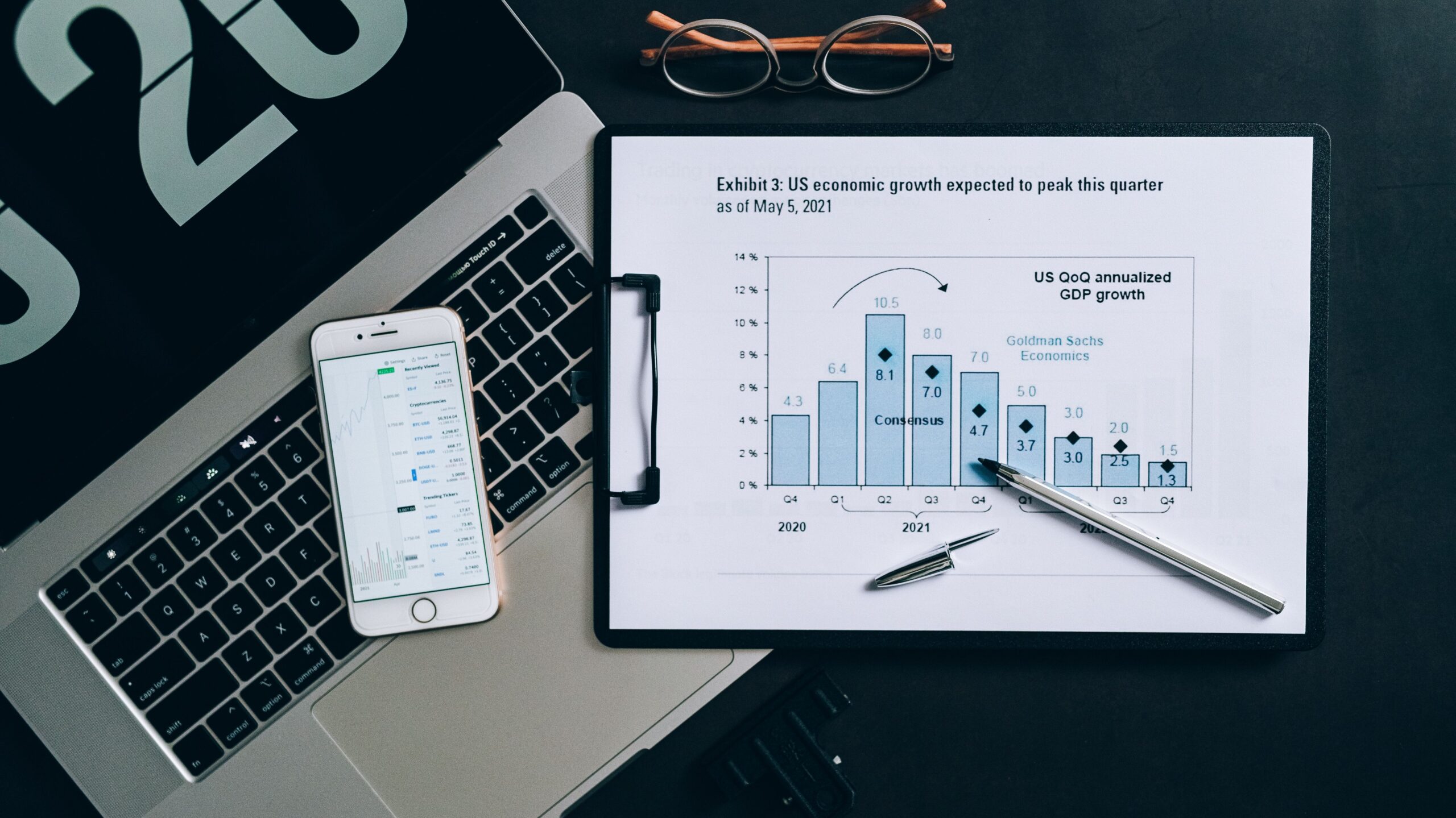
The Gross Domestic Product (GDP) is the total value of goods and services produced in an economy. The U.S. economy grew at an annualized rate of 2.1% in the first quarter of 2026, according to the U.S. Bureau of Economic Analysis.
Interest Rates Affect Borrowing Costs

Central bank interest rates affect the price of loans, mortgages, and business financing. After the June 2026 Federal Reserve policy meeting, the Federal Reserve’s benchmark rate stayed in the 4.25% to 4.50% range.
Consumer Spending Drives Much of the Economy

The U.S. Bureau of Economic Analysis estimates that consumer spending makes up about 2/3 of the economic activities in the United States. Any shift in spending can have an impact on demand in numerous sectors.
Consumer Confidence Shows Important Metrics

Consumer confidence surveys track the level of optimism amongst consumers about the economy. Consumer confidence is closely watched since confidence is a major factor in spending decisions; this is reflected in the Consumer Confidence Index tracked by the Conference Board.
Retail Sales Offer a Snapshot of Demand

Retail sales measure the volume of retail transactions by all retail outlets, both brick-and-mortar and online. Retail sales data are one of the earliest indicators of consumer demand changes, according to the U.S. Census Bureau.
Manufacturing Data Reflect Business Activity

The Institute for Supply Management’s Manufacturing PMI measures factory activity, such as production, new orders, and payroll. Generally, readings higher than 50 mean expansion, and readings lower than 50 mean contraction.
Housing Activity Can Signal Broader Economic Trends.

Conditions of new home sales, housing starts, and building permits offer clues to consumer demand and economic momentum. Building, manufacturing, and consumer spending are all influenced by the housing market.
Small Business Optimism Tracks Business Sentiment

NFIB Small Business Optimism Index gauges the attitudes of small-business owners regarding economic conditions, hiring plans, and investment opportunities. This is a highly followed index, since many of the jobs in the United States are held by small businesses.
