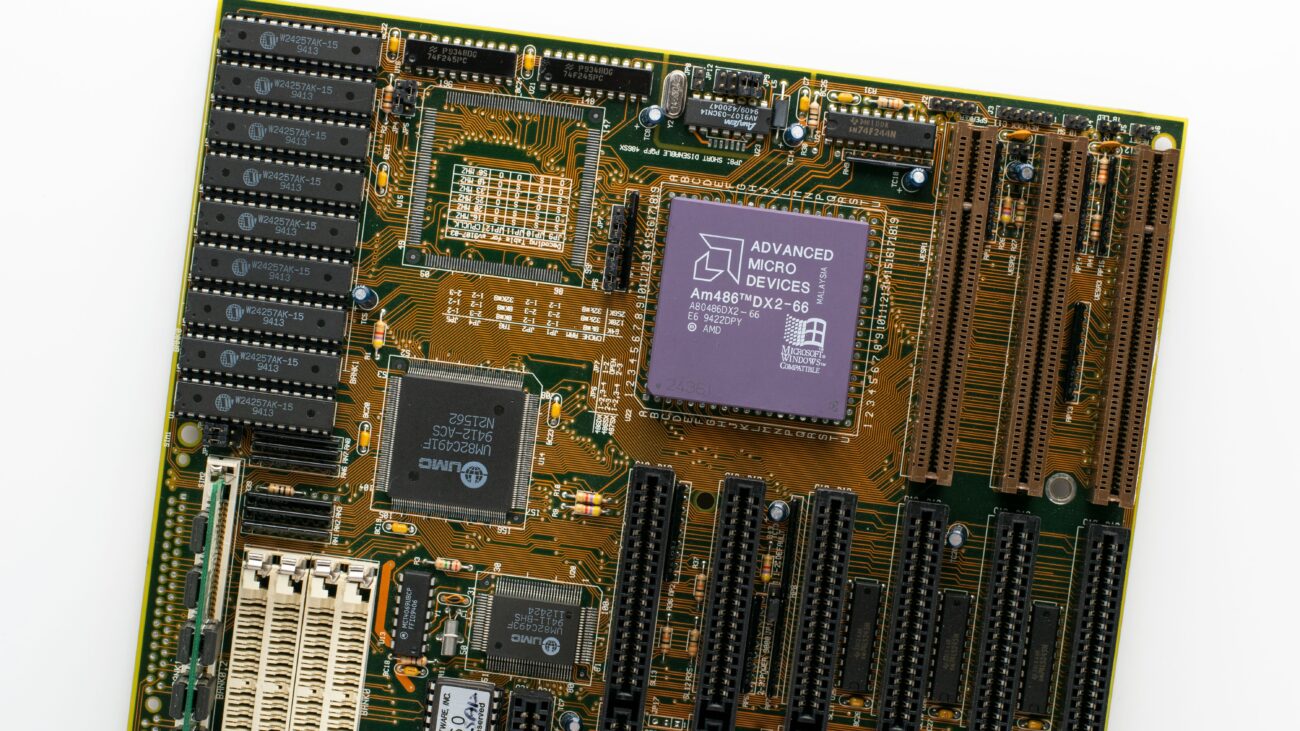
AI is changing the semiconductor industry in ways you can’t imagine. The market could require 70% of the world’s memory chip production by 2026, with the rest required by other industries, according to market forecasts cited by The Motley Fool. This transition also raises prices, alters production priorities, and opens new avenues for businesses at the heart of the AI infrastructure revolution.
Becoming the Biggest Memory Buyers
In 2026, global memory chip production will be nearly 70% dedicated to AI servers. This is a radical departure from the past and reflects how AI infrastructure is emerging as one of the largest growth drivers in the semiconductor industry.
Consumer Electronics Could Face Tighter Supply

Industries like smartphones, PCs, and consumer electronics could become short of memory because more of it is being channeled towards AI servers. As a result of this manufacturing shift, IDC expects smartphone shipments to drop by as much as 5%, and PC sales by as much as 9%.
Memory Has Become Essential for AI
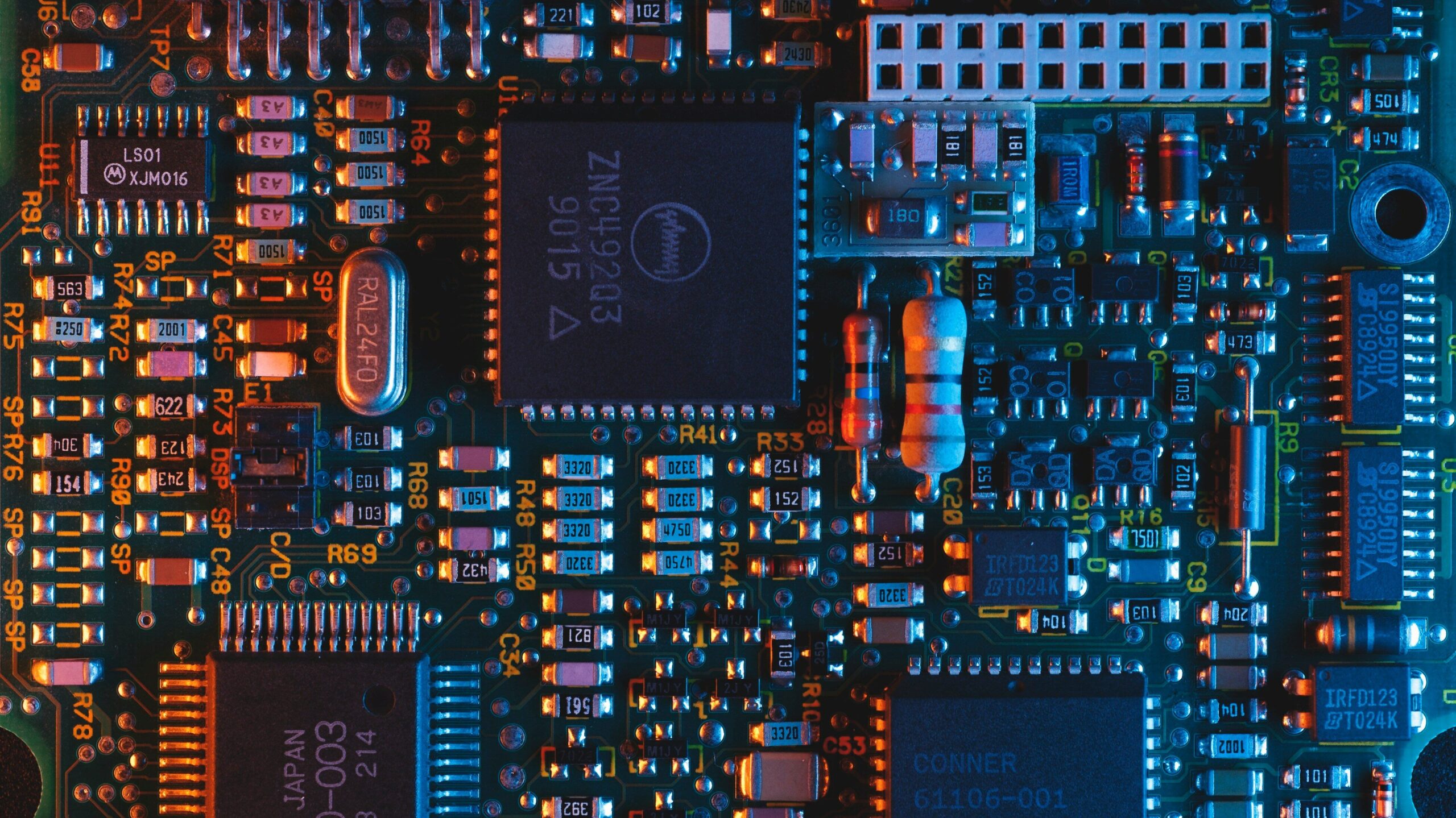
High-bandwidth Memory is a special type of memory that can transfer large data sets at high speed. Modern AI systems require vast processing speeds and memory capacity, making it a crucial element in these systems.
Advanced AI Server Depends on HBM
HBM technology is crucial for companies developing AI systems, such as those involving Nvidia’s new processors. NVIDIA’s Blackwells are graphics processors that need high-bandwidth memory, which will drive up demand for these special chips, industry experts say.
Uses More Manufacturing Capacity
It takes more resources to produce HBM than regular memory chips. Because HBM requires about four times as much wafer capacity as traditional DRAM, the building of one gigabyte results in tighter supplies throughout the industry, according to The Motley Fool.
Memory Prices Are Rising Sharply

The price impact of the imbalance between supply and demand is already taking place. Average selling prices (ASP) for DRAM jumped by a percentage sequentially in Micron’s second quarter of fiscal 2014, whereas NAND prices climbed around 70%, the company said.
Micron Has Already Sold

Micron states that all its production capacity for HBM4 chips has been sold and is booked through multiyear contracts. The firm has also entered into unusually long-term supply agreements, indicating an increased level of confidence that demand for AI-driven supply will continue to be strong for years.
SK Hynix Holds a Leading Position
The Motley Fool estimates that SK Hynix has a market share of between 57% and 62% of the HBM market. The company is also working on next-generation memory technologies with Nvidia, further solidifying its position in the growing AI landscape.
