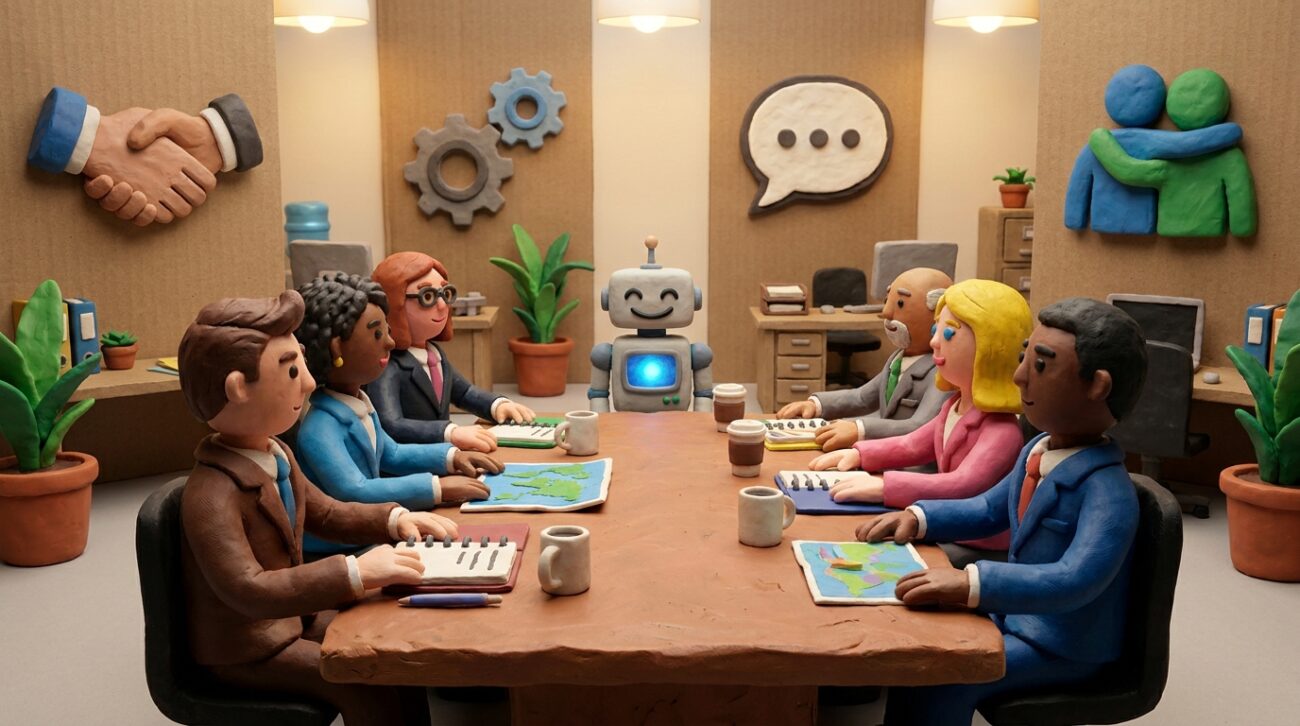
The power of AI as a game-changer in various industries by boosting research speed, streamlining processes, and enhancing productivity. Many technical abilities are now easier to reproduce because of the increasing penetration of AI technology. Experts in the industry say that this is leading to a greater focus on the value of trust, collaboration, and human relationships as key sources of competitive advantage. Here are 10 reasons why people-first leadership may matter even more in an AI-driven world, as per Forbes’ suggestion.
AI Is Narrowing the Competitive Gap
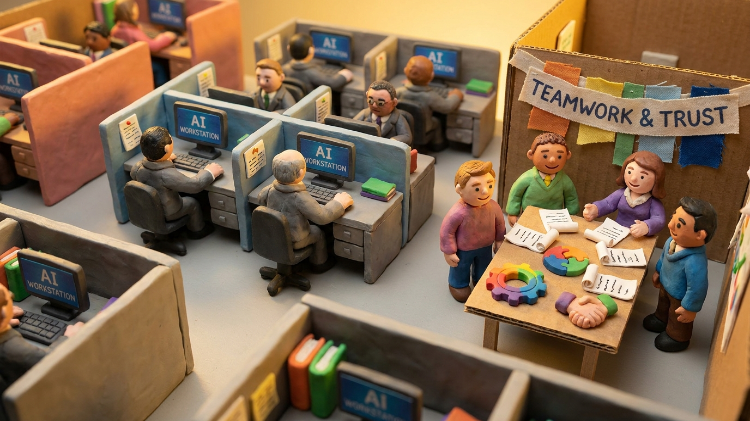
Technical capabilities are becoming increasingly replicable as more and more organizations begin using AI for research, documentation, and decision-making. Experts predict that more companies will have to distinguish themselves by qualities that technology can’t easily copy.
Trust Is Becoming a Business Advantage

If the AI can produce similar content in different companies, customers, and partners might value a company over another one they can trust. The ability to influence important business decisions with long-term credibility, transparency, and consistent relationships.
Relationships Still Drive Complex Industries
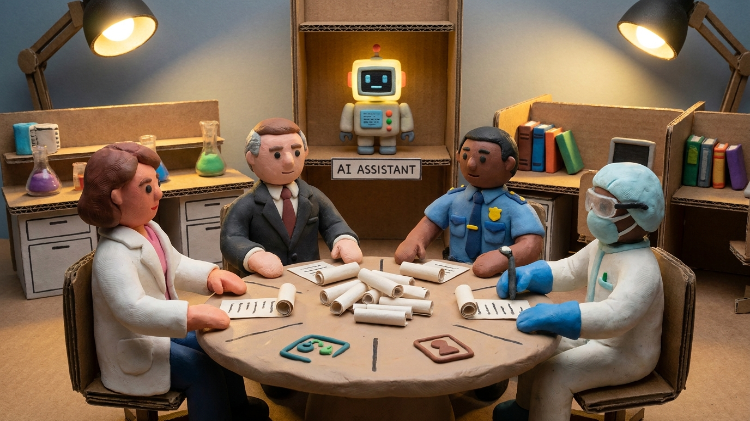
Collaboration between regulators, researchers, manufacturers, and business partners is still vital in industry sectors like healthcare and life sciences. Good professional relationships are essential to achieving good outcomes, but AI can help with these types of activities.
AI Can’t Replace Human Judgment
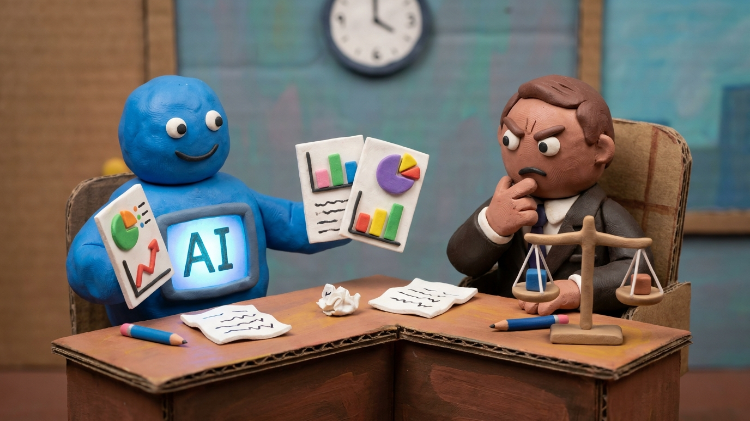
While AI can process information swiftly, humans are still in charge of understanding the results and making critical decisions. Wherever it matters, it matters with people.
Communication Matters More Than Ever

With more time freed up from repetitive tasks, leaders may find themselves spending more of it aligning, communicating, and fostering teamwork. Good communication can help keep organizations in trust, even in the face of fast-paced technological shifts.
Mentorship Is Becoming More Important

The automation of many routine, basic tasks, which traditionally have been used to build up expertise. Organizations should be more intentional about mentorship and knowledge sharing to help develop practical judgment among future leaders, experts say.
AI Can Free Leaders for Higher-Value Work

Many organisations are adopting the use of AI to automate repetitive tasks instead of replacing workers with AI fully. This frees up time for experienced workers to focus on more strategic work, relationship building, and complex issues.
Collaboration Is Becoming a Core Skill

Collaboration between different functions is becoming a key asset as organizations embrace AI in their various functions. Creating healthy internal relationships can enable teams to take in new technology and optimize organizational performance.
Strong Networks Create Long-Term Value

This can take the form of ongoing customer, regulatory, supplier, and/or partner interactions that can last for years. These networks can be even more valuable as AI irons out the technical hurdles, experts say.
Human Connection May Be the Lasting Advantage

Yet, while AI can enhance speed and efficiency, its ability to build trust, provide credibility, lead, relate to people, and be empathetic can’t be automated. In the era of Artificial Intelligence, these capabilities will become more important to organizations.
