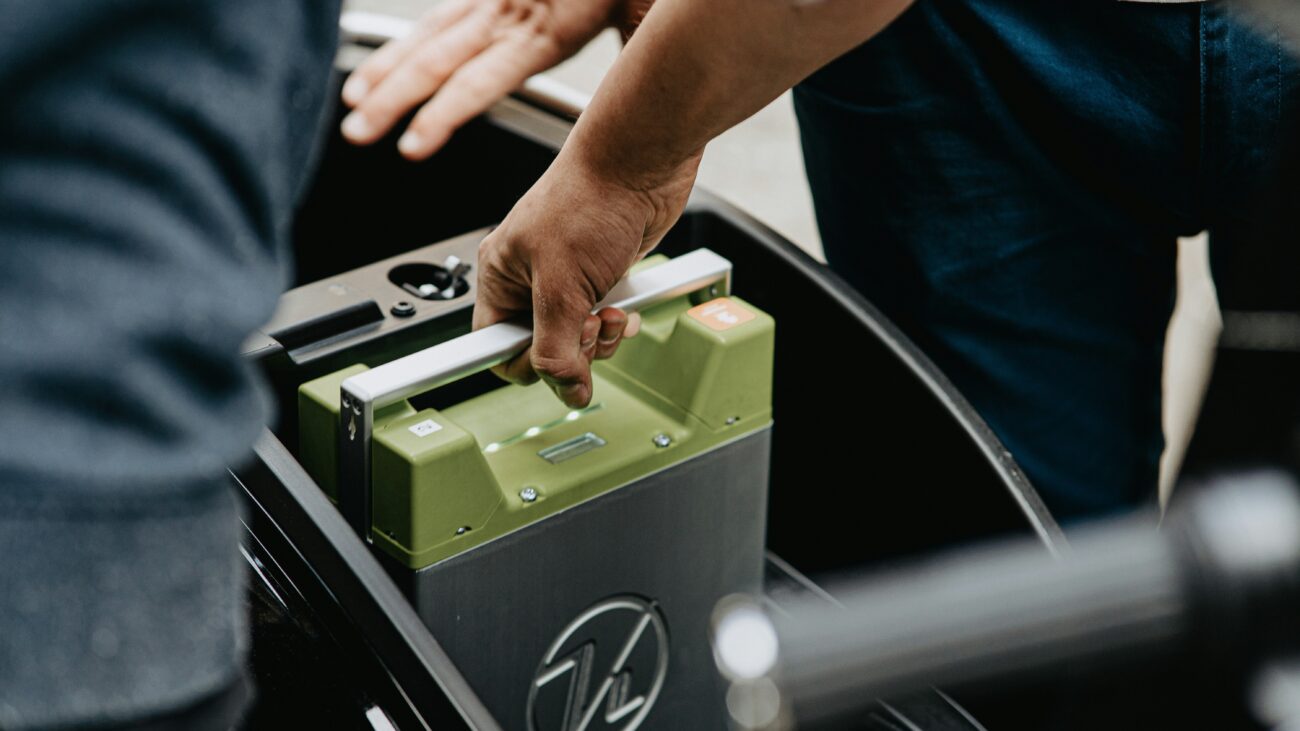
The number of EVs on the road is growing, and with that, the importance of recycling lithium-ion batteries is increasing. The development of new recycling technologies, the improvement of infrastructure, and more sustainable processes have the potential to contribute significantly to the development of a circular battery economy. Let’s take a look at 10 of the new trends that are driving the future of battery recycling, according to the ACS Energy Letters Journal.
Recycling Capacity Must Grow Rapidly
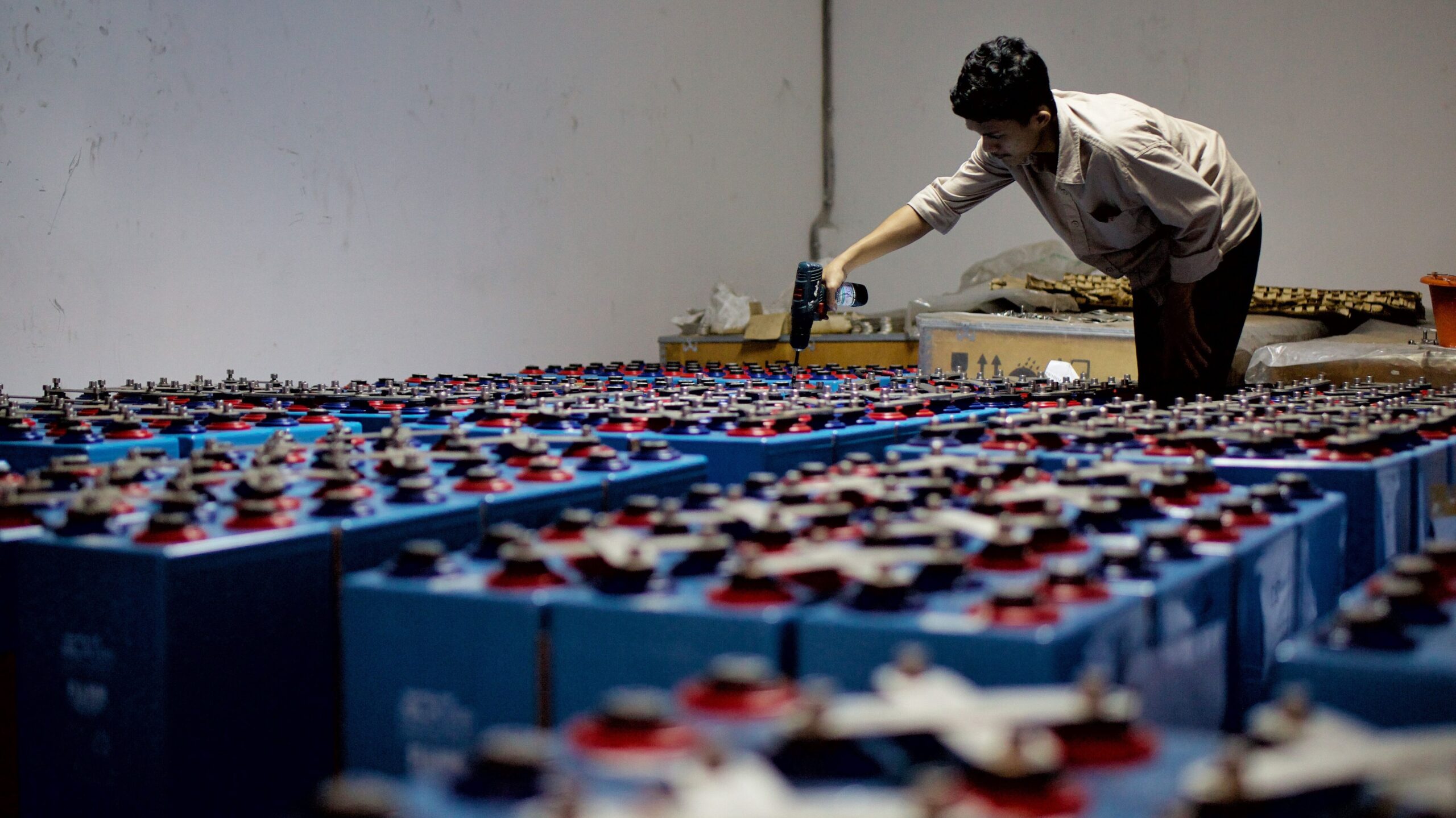
To meet the population growth of EVs, the estimated global lithium-ion recycling capacity will have to grow nearly 50 times in ten years. It is important to increase the infrastructure for recycling battery waste in the future.
Battery Waste Is Growing Quickly
In 2030, it is estimated that 318 GWh of lithium-ion batteries will be at the end of their life, including almost half of those from electric vehicles (EVs). The increase in this waste stream indicates a need for improved waste collection and recycling of this waste stream.
Recycling Rates Remain Low
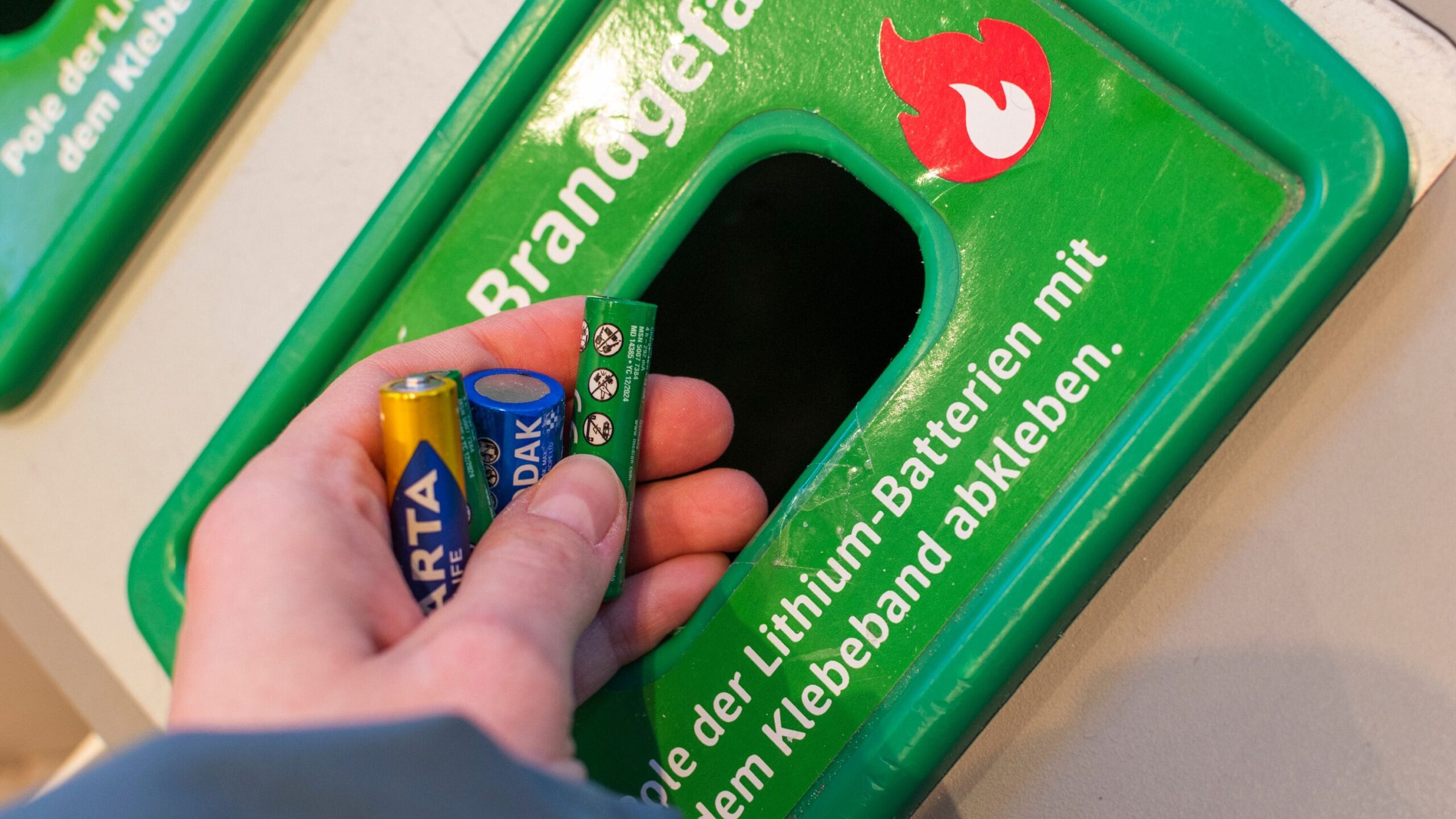
Though batteries are increasingly in use, recycling of used lithium-ion batteries is currently around 10% of the total. Increasing collection rates will be key to minimising waste and the recovery of valuable materials, according to researchers.
Second-Life Batteries Could Reduce Waste
The majority of EV batteries maintain 70% to 80% of their valuable life after they’re retired. They could be used for other less critical purposes such as storage, backup power, or recycling.
Smaller Recycling Centers Could Improve Efficiency
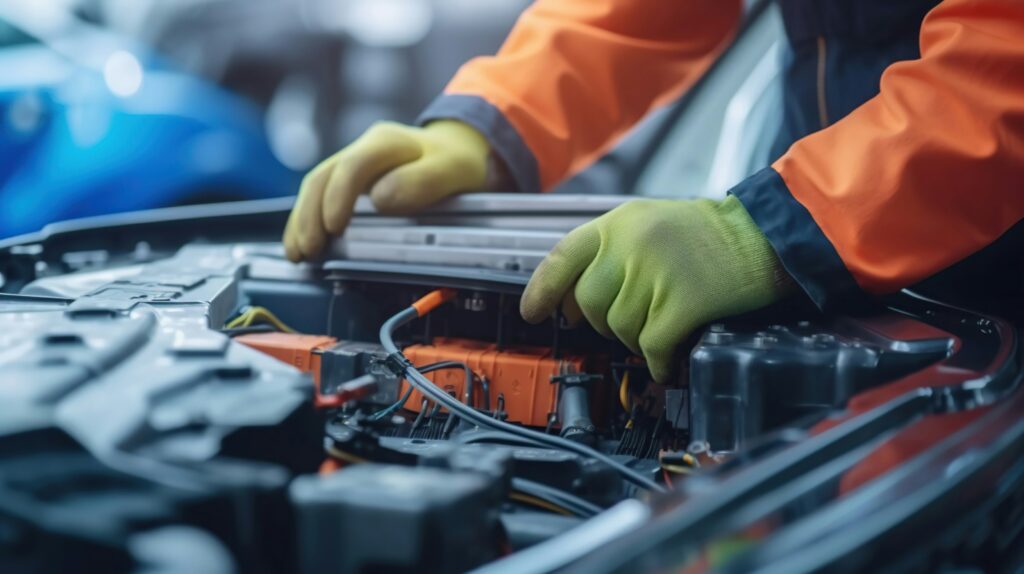
The authors recommend decentralised pre-processing facilities, closer to the consumers, to lower transportation costs and emissions, and facilitate handling of the hazardous battery material before full-scale recycling.
Direct Recycling Is Gaining Attention
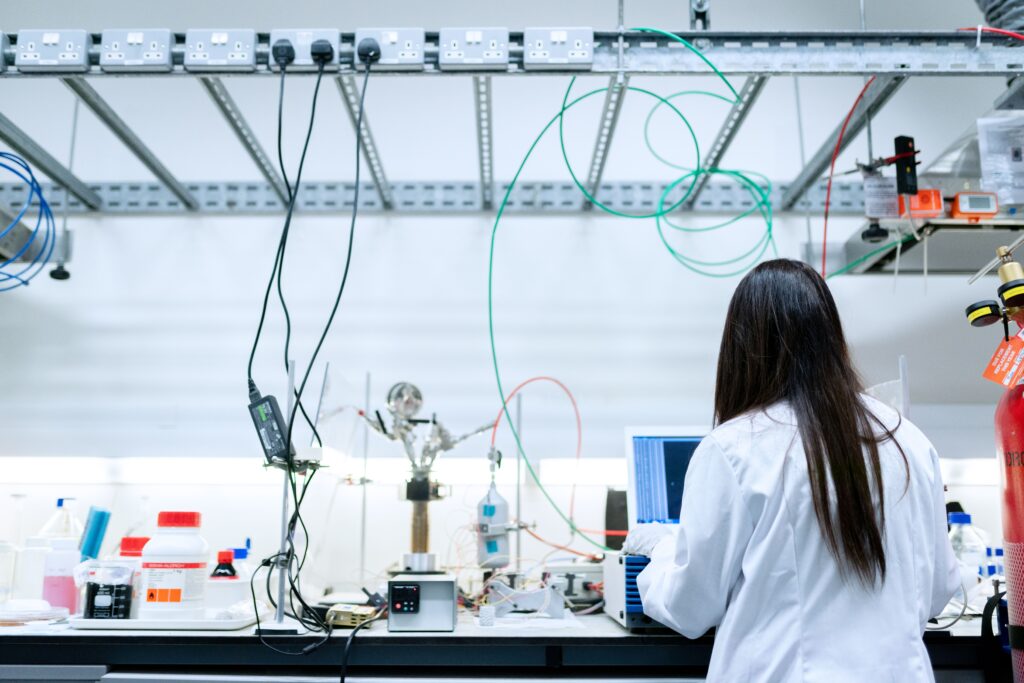
Direct recycling is different from conventional recycling, which separates battery materials into individual elements, in that it seeks to utilize the battery materials by recycling. The process could help to substantially lower energy consumption and waste, researchers say.
Electrified Recycling Could Lower Emissions
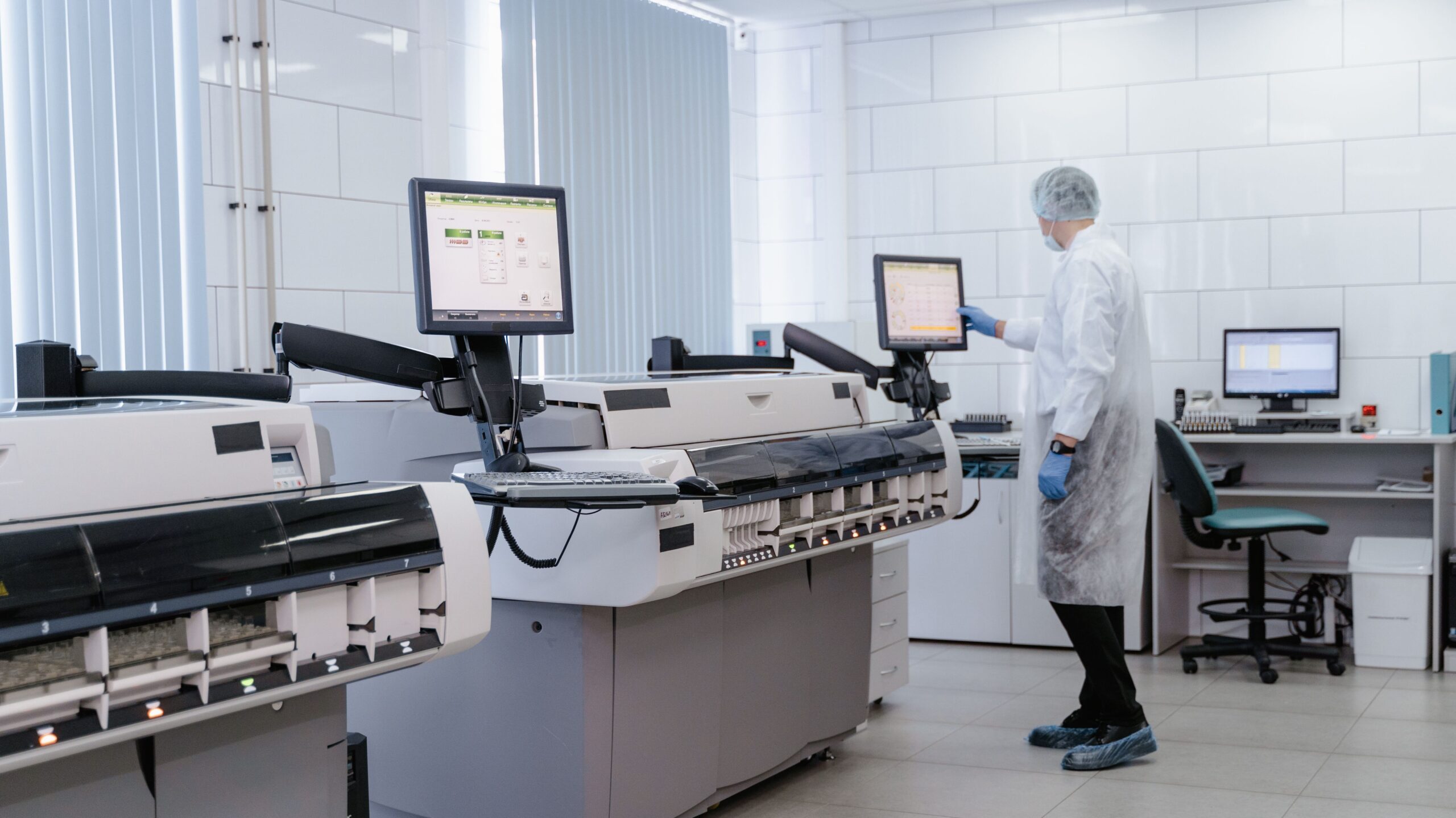
Incorporating new technologies, including flash Joule heating and electrodialysis, to increase the energy efficiency of the battery recycling process and lower the amount of greenhouse gases and chemicals used.
Electrochemical Recycling Is on the Rise
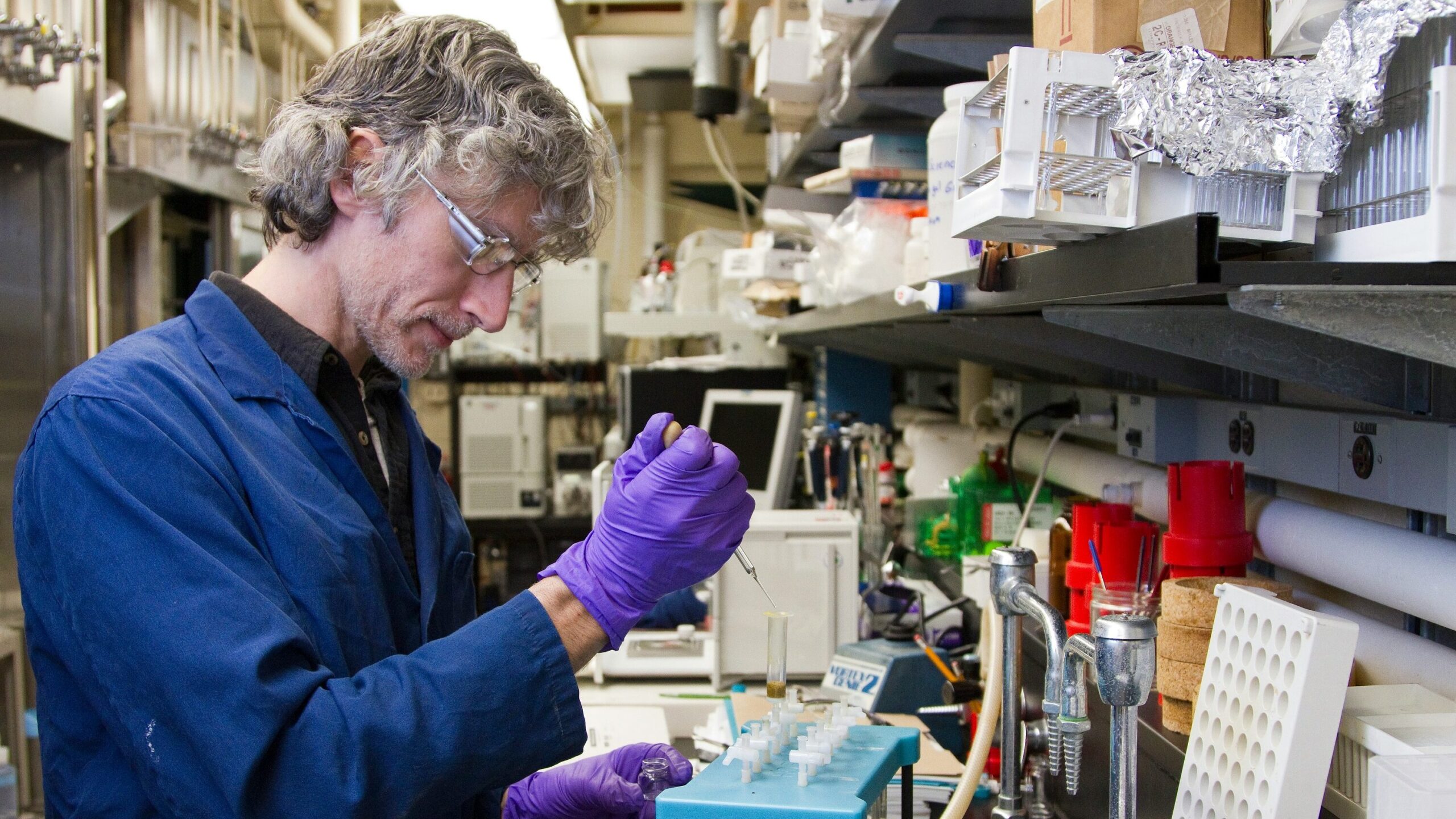
Researchers are working on electrochemical approaches to recover lithium, cobalt, and nickel with high purity and also to reduce the amount of harsh chemicals needed for the conventional recycling process.
Environmental Impact Is Becoming a Priority

In addition to the recovery of valuable materials, there is growing interest in life cycle assessment (LCA) of recycling processes to consider the impacts on human health, ecosystems, resource usage, and greenhouse gas emissions.
Future Battery Designs May Be Recyclable
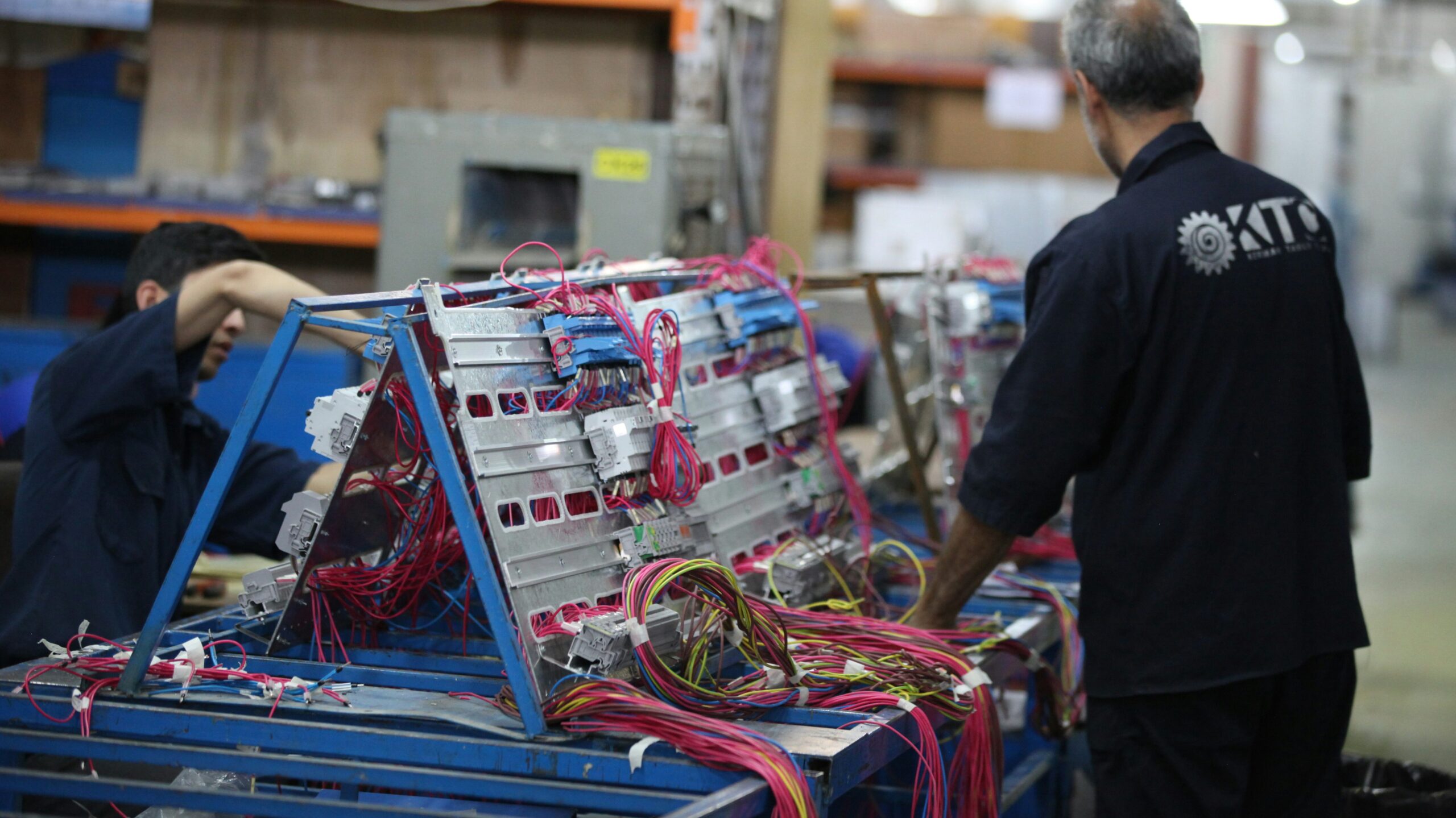
There is an opportunity for future battery technologies such as solid-state batteries to be created with recycling in mind, according to researchers. Easier disassembly and recovery of batteries could help to make the battery industry more sustainable.
