
So many things have changed since the pandemic sent millions of workers home. That which was once temporary has become a permanent change that’s changing the way companies operate, recruit talent, and define company culture. Today, business leaders from all sectors believe that hybrid and remote working are here to stay.
Remote Work Became Mainstream

With businesses across the globe shuttered due to the crisis situation, businesses quickly shifted workers to remote locations. The temporary arrangement of many businesses, at first, transformed into a permanent fixture of the work environment.
Hybrid Work Models Continue Expanding
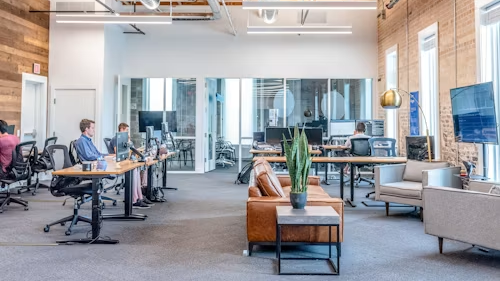
Now, many businesses are opting for a blend of remote and in-office work. Depending on their job and work routine, staff may work in home settings, communal working areas, and conventional offices.
Embraced Flexible Work

Some companies openly stated their long-term plans to move to remote or hybrid work. Businesses such as Shopify, Walmart, and Quora have announced that the office culture is no longer standard.
Staff Value Flexibility Highly

New research has consistently revealed that a significant number of employees would choose a combination of remote and/or hybrid working. Flexibility, better work-life balance, and less commuting stress are often cited advantages to employees.
Remote Hiring Expands Talent Pools
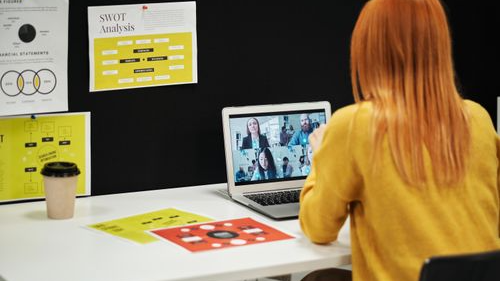
Business leaders say remote work allows companies to recruit talent from virtually anywhere instead of focusing only on workers located near expensive corporate headquarters or major cities.
Companies May Reduce Office Costs
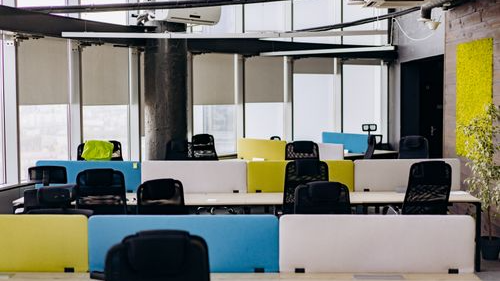
Businesses can save money by reducing the need for a large office space and related expenses with remote and hybrid work. There are some businesses that are now utilizing offices mainly for meetings and teamwork instead of working there on a daily basis.
Productivity and Morale May Improve

Flexible working hours, short working days, and other forms of flexible working reduce staff travel time and increase their satisfaction and productivity. Other business leaders feel that remote work leads to healthier routines and better overall employee well-being.
Remote Work Still Creates Challenges
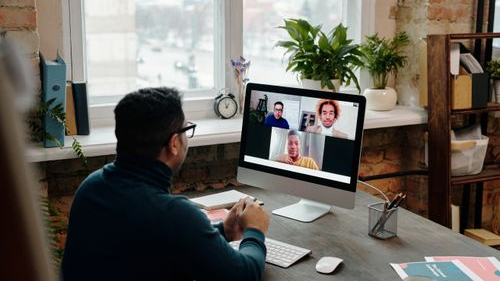
While there are benefits, it can be harder to communicate, collaborate, and build a company culture working remotely. There are still plenty of organizations that want to improve their team connection in a digital setting.
Work-From-Home Distractions are Real

Employees who work from home could encounter difficulties due to pets, roommates, kids, and chores. A few workers would prefer to work in an office space in an atmosphere that has structure and fewer distractions.
The Future of Work Will Likely Stay Flexible
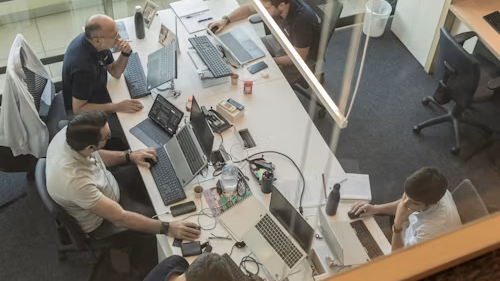
More and more, people think the future workplace is going to be a blend of remote and in-person. Companies that are able to be flexible with arrangements and meet the needs of employees can be more likely to remain successful in the long run.
