
Economic data has a much bigger impact than just on the stock market and government policy. Inflation, interest rates, employment data, consumer spending, and business activity all impact the planning of business growth and business risk management. Changes in the economy, no matter how small, can impact job creation, hiring plans, customer demand, and financing options. In recent months, economic news has kept arriving in mixed bundles in many countries, putting businesses on a watch for how future growth opportunities could be affected by the shift in the economic environment.
Interest Rates Affect Borrowing Costs

Loans are often more costly for businesses if they are offered at a higher rate of interest. In times of high interest rates, firms may become more conservative in their financing plans, whether it be for expansion, equipment, or real estate.
Consumer Spending Shapes Demand

Retail sales and consumer confidence statistics can have a significant effect on business results. Consumers’ spending decreases mean many businesses have fewer opportunities to sell and have slowing sales.
Inflation Continues Pressuring Costs
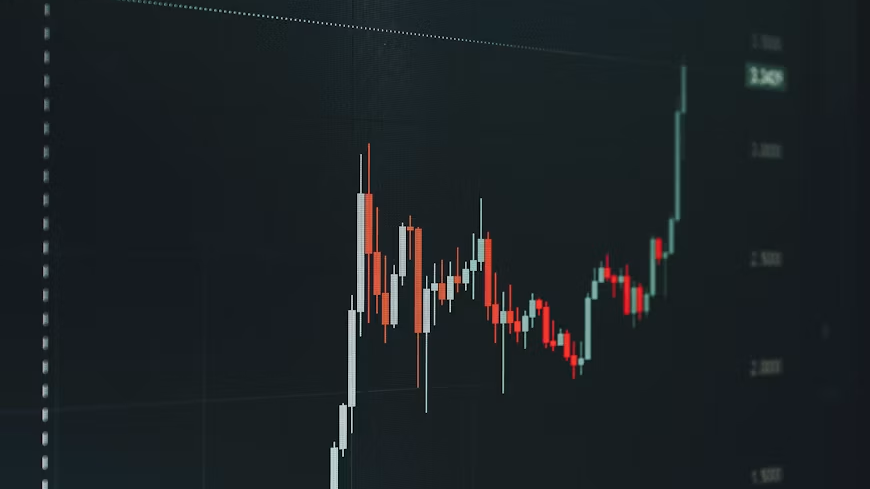
The cost of materials and transportation, labor, and utilities continues to increase, which can cut profits. Companies are likely to be in serious decision-making over how to cope with the increased costs and whether they need to pass them on to the consumer.
Employment Trends Influence Hiring

An improving labor market can help consumers, but it can also create more competition and costs for employers. When jobs aren’t growing as rapidly, sometimes so are expansion strategies.
Supply Chains Still Matter
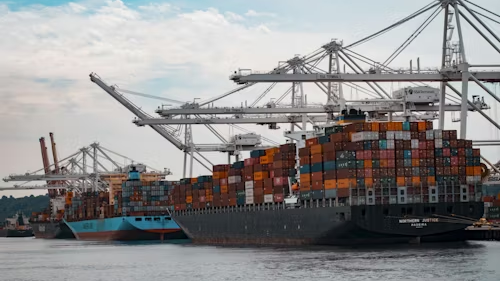
Economic disturbances were a reminder of the fragility of the global supply chain. Companies are keeping a close watch on shipping, manufacturing, and stock levels.
Technology Investment May Increase

Other companies are pivoting towards investing in technologies that are more automated, AI-driven, and efficient in order to mitigate the cost of their operations in the long term, especially in response to economic uncertainty.
Smaller Businesses May Face Greater Pressure

In an economic downturn, it seems that big companies are more likely to have liquidity. In smaller companies, the increased rate of borrowing and drop in consumer spending could hit them harder sooner.
International Markets Create Additional Risks

International businesses and companies that depend on foreign suppliers and customers may be impacted by exchange rates, the conditions of global trade, and global geopolitical tensions.
Certain Industries May Grow Faster

Economics seldom impacts all industries in the same way. In times of overall market uncertainty, some sectors could keep expanding, like healthcare, cybersecurity, energy, and AI.
Adaptability Becomes More Important

Despite changing economic conditions, businesses that make pricing, operational, staffing, and/or strategic changes rapidly tend to respond better than those that don’t.
