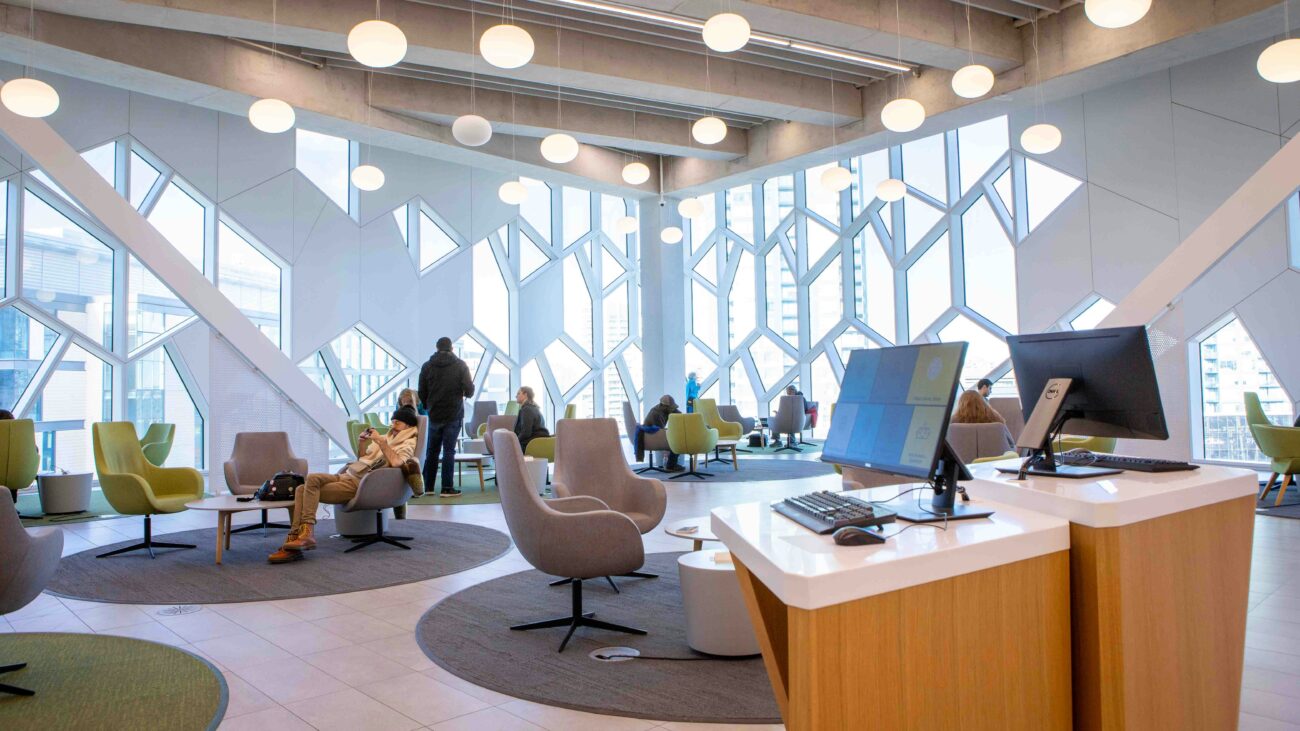
Over the last several years, the workplace has evolved in so many ways that many organizations are reconsidering the amount of office space that they have. As a result of the acceptance of a hybrid working model, flexible work options, and technological innovations in digital collaboration, companies are now making smart choices. Instead of cutting space, more companies are reshaping their workplaces to optimize the utilization of space, help employees, and control their ongoing operating expenses.
Embracing Hybrid Work

The hybrid workplace model, which many companies are embracing, is taking work shifts from the office to remote work. This can offer a reduction in the need for a large permanent office. For example, Microsoft adopted a flexible hybrid work model.
Downsizing Office Footprints
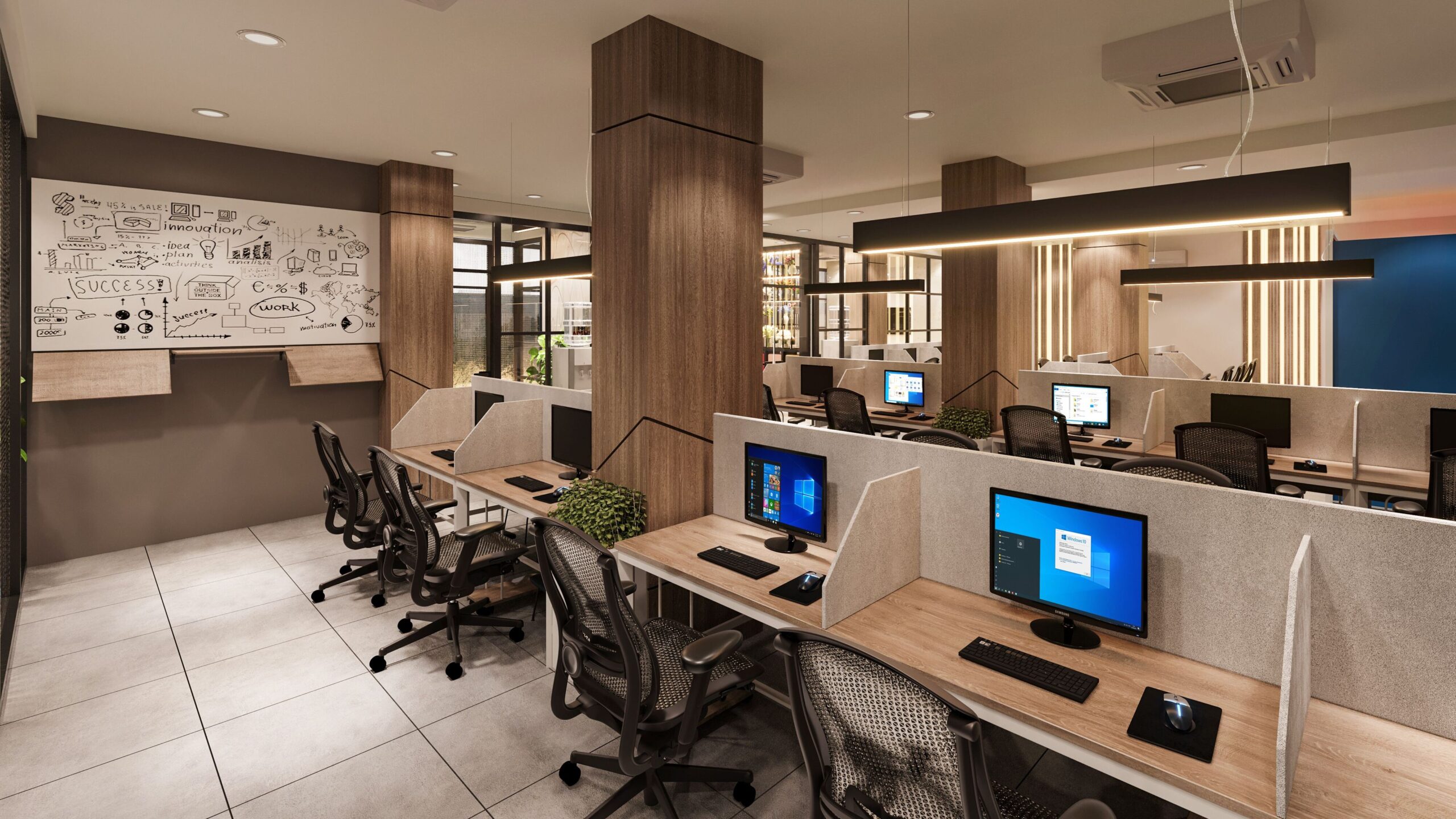
Companies are downsizing office facilities or changing to more efficient space arrangements that reflect their current size and staffing requirements, as well as reducing long-term space and maintenance expenses.
Creating Flexible Workspaces
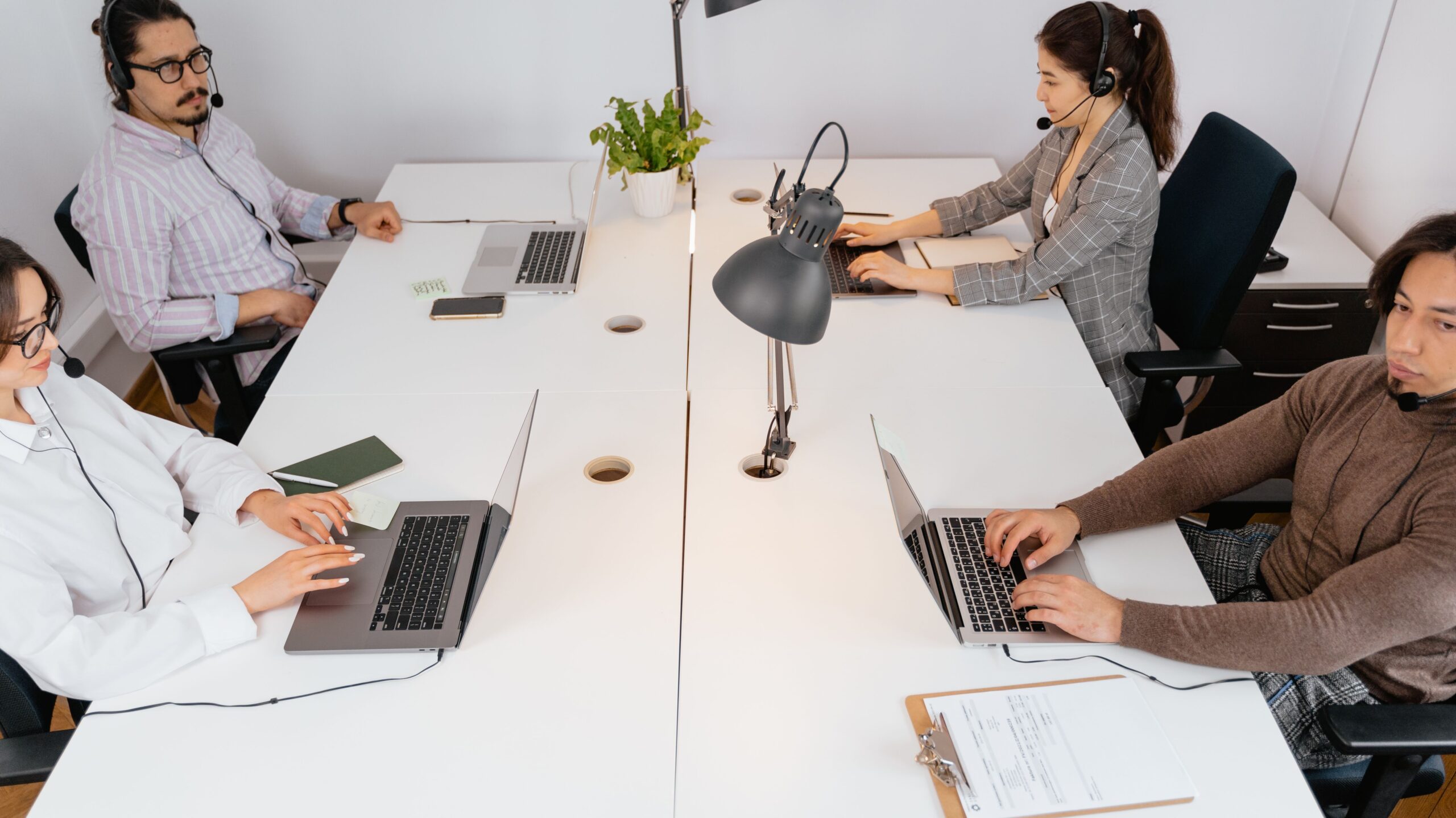
Whereas a few years ago, businesses were allocating permanent desks for their employees, they now employ alternative workspaces featuring shared seating, collaborative work areas, and bookable workstations to make the most of their space.
Investing in Better Technology

Businesses are installing video conferencing, collaboration tools, and digital meeting spaces in offices to enable smooth communication between remote and in-office teams. For instance, Zoom Communications has upgraded its own offices with smart meeting rooms.
Prioritizing Collaboration Areas
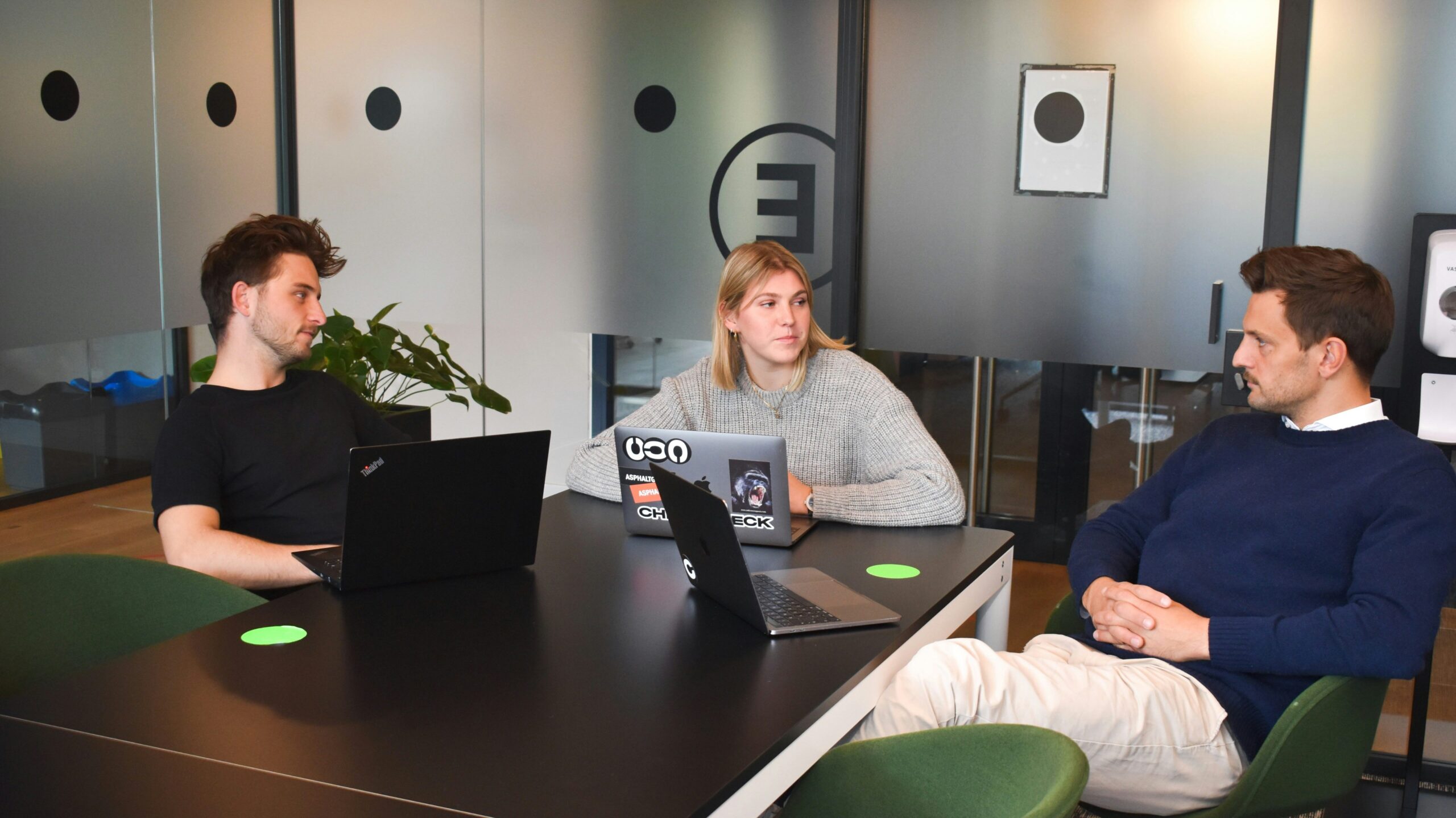
Instead of offices with rows of desks, there is a growing trend in which modern offices are built around meeting rooms, brainstorming spaces, and areas for team collaboration.
Improving Energy Efficiency
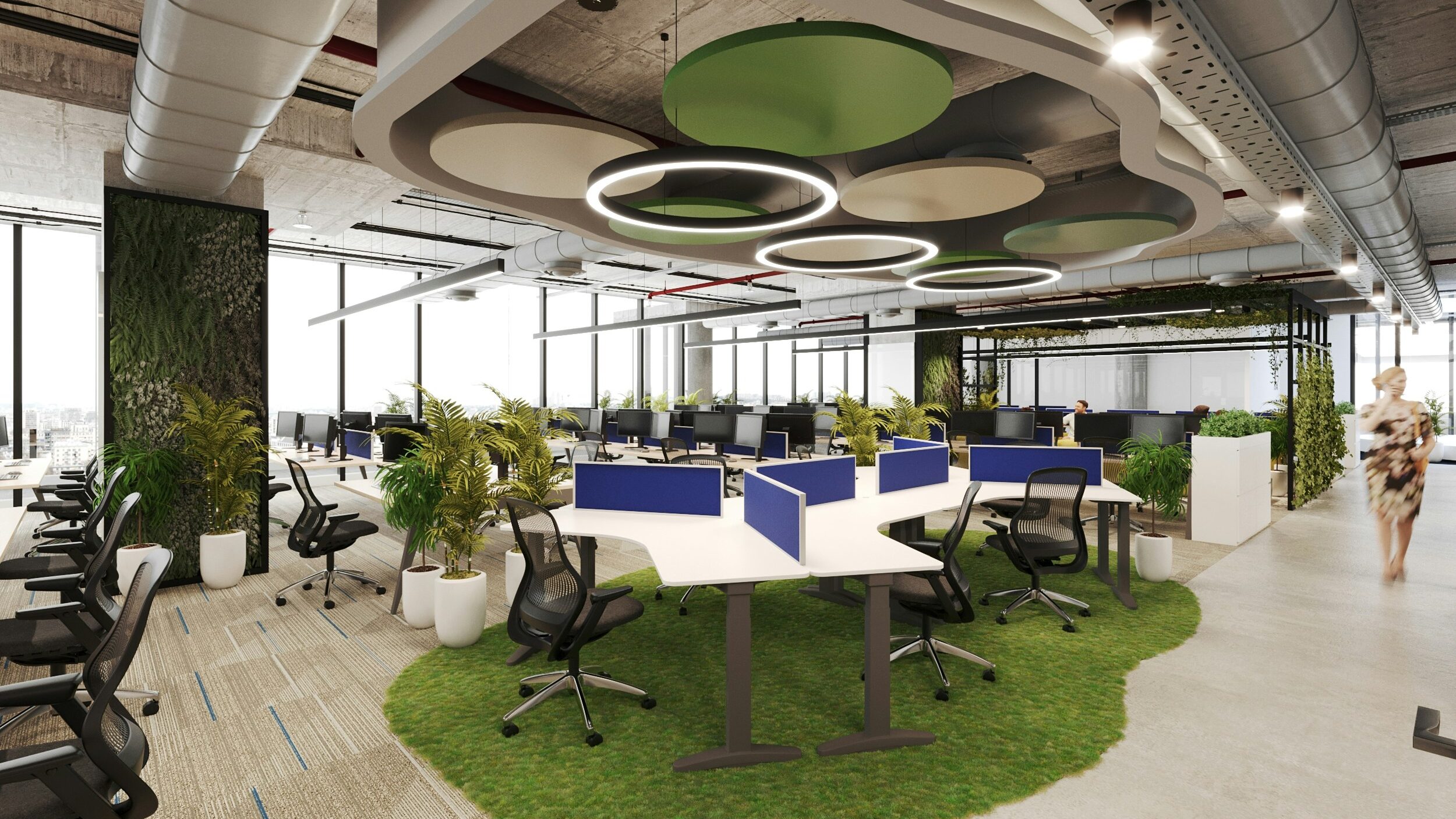
Companies are investing in building upgrades, cooling, heating, and lighting, all to cut energy costs and enhance the overall efficiency of the facility for years to come.
Using Shared Office Solutions

Some organizations are choosing coworking spaces or flexible office providers, allowing them to scale workspace needs without committing to large long-term leases.
Reviewing Real Estate Portfolios

Organizations are regularly reassessing their working practices, occupancy, and business needs to see where their existing properties fit into their long-term plans. For example, Meta Platforms has adjusted its office real estate portfolio in recent years, as per a Fox Business report.
Supporting Employee Experience

To promote collaboration and make the office more valuable, businesses are redesigning offices with wellness spaces, better amenities, and spaces that are flexible to fit multiple functions.
Planning for Future Growth
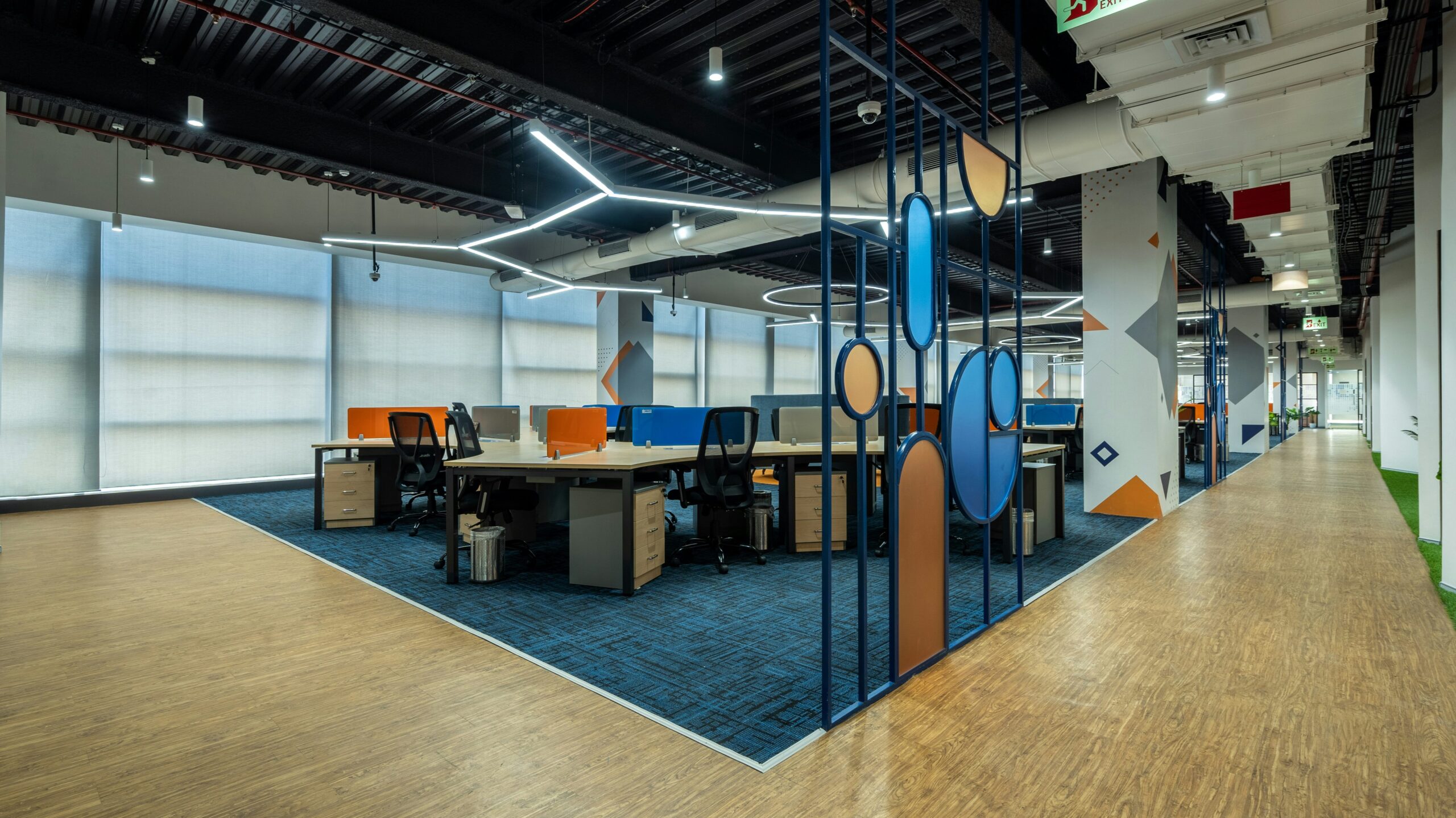
Instead of constructing offices for the current workforce for the present, companies opt for flexible layouts that can evolve with the changing demands and requirements of the business.
