
AI is revolutionizing business, making it more efficient, automating repetitive tasks, and analyzing vast amounts of data. But numerous jobs still call for manual judgment, creativity, and relationship-building. Understanding the areas where AI can provide significant advantages and where human efforts are still critical can aid in making informed decisions about technology investments.
Data Analysis

AI is capable of analyzing large amounts of data, finding patterns, spotting anomalies, and deriving insights much faster than human efforts, which can help businesses make faster and more informed decisions.
Repetitive Tasks

Data entry, document processing, scheduling, and report generation are examples of tasks that can be automated and allow employees to work on more valuable tasks.
Customer Support

AI-powered chatbots can respond to frequently asked questions at any time of day, while human representatives are still vital in complex matters, sensitive situations, and customized support.
Software Development

While AI coding assistants can produce code, fix bugs, and streamline the development process, there remains a need for experienced developers to design systems, review results, and address complex technical issues.
Marketing
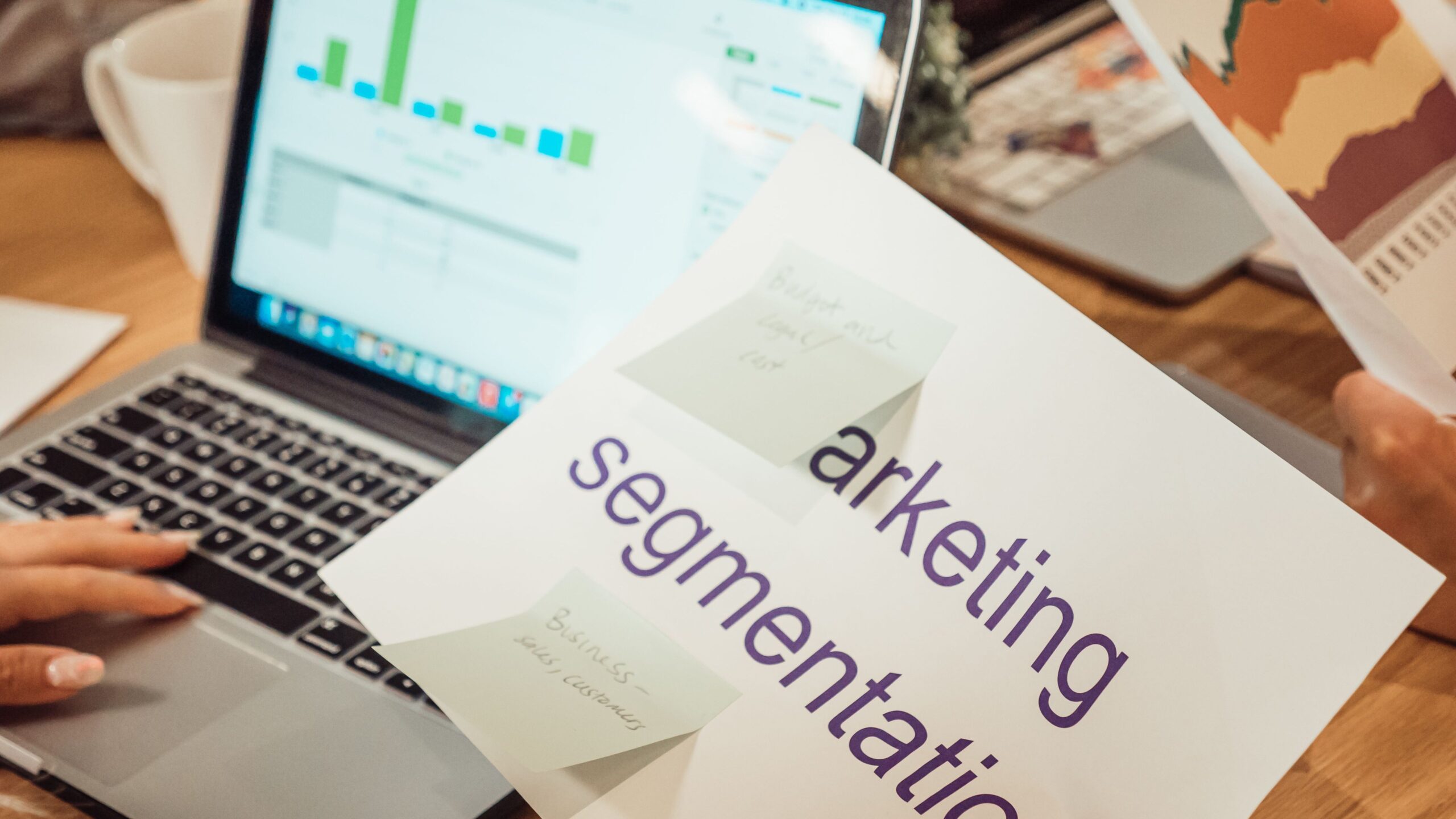
Customer data analysis, campaign personalization, and content ideation are all tasks that AI can handle, whereas marketers can bring brand strategy, creativity, and emotional understanding.
Healthcare

While AI can help healthcare professionals analyze images, detect patterns, and aid in documentation, it is important to note that patient care, diagnosis, and treatment decisions still require the expertise of qualified healthcare professionals.
Leadership

While AI can provide information summarization and planning assistance, inspiring teams, managing change, resolving conflicts, and fostering organizational culture are human tasks, to be done by human beings.
Negotiation

These aspects of the negotiating process are things that AI cannot do and are essential to the success of negotiations, such as building trust, understanding the other party’s emotions, communication, and managing relationships.
Strategic Decision Making

While AI can offer significant insights and predictions, leaders must consider their business objectives, ethics, market dynamics, and future vision before making major strategic decisions.
Innovation

People can add imagination, critical thinking, ability to turn ideas into products and services, while AI can speed up research activities, analyse trends, and generate ideas.
