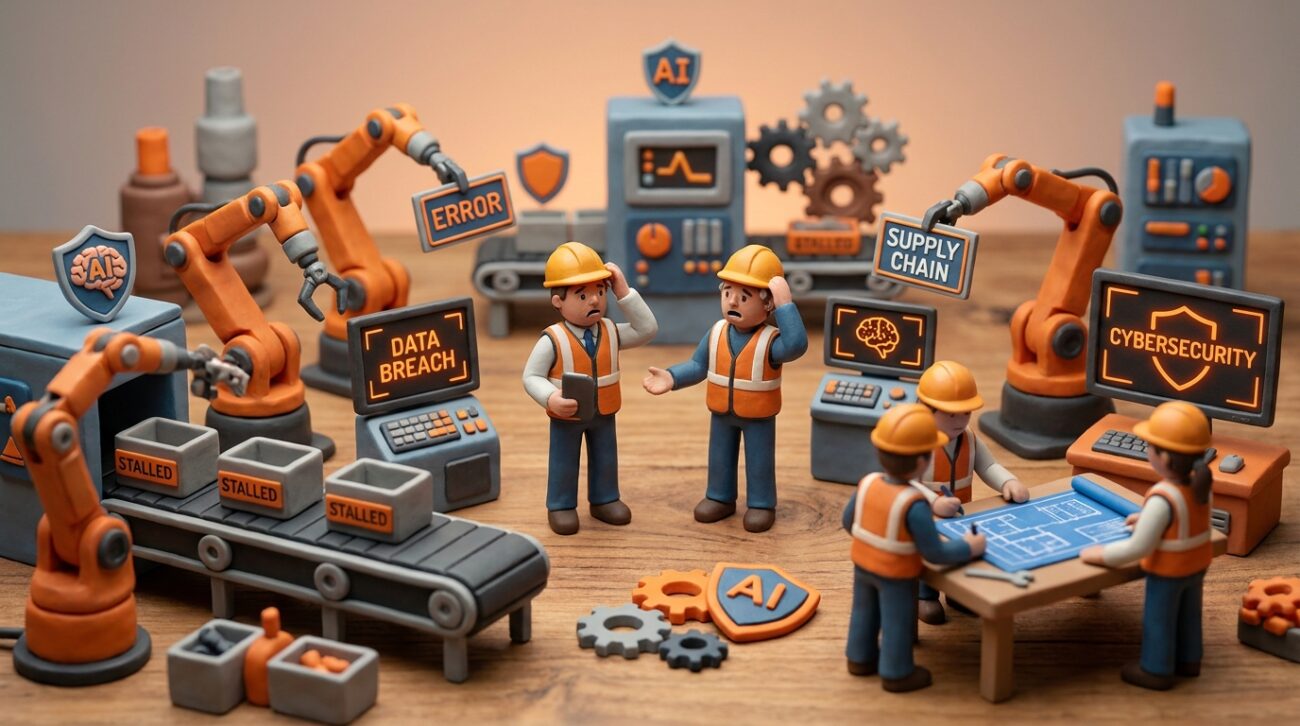
Globally, manufacturers are running into workforce troubles and supply chain headaches, along with the burden of high costs. At the same time, many businesses are putting money into workforce development, rolling out digital tools, and adding automation, all to push efficiency and make operations more resilient. Studies from different industry groups and consulting firms have identified some of the biggest concerns, which are mentioned.
Labor Shortages Continue to Pressure Operations
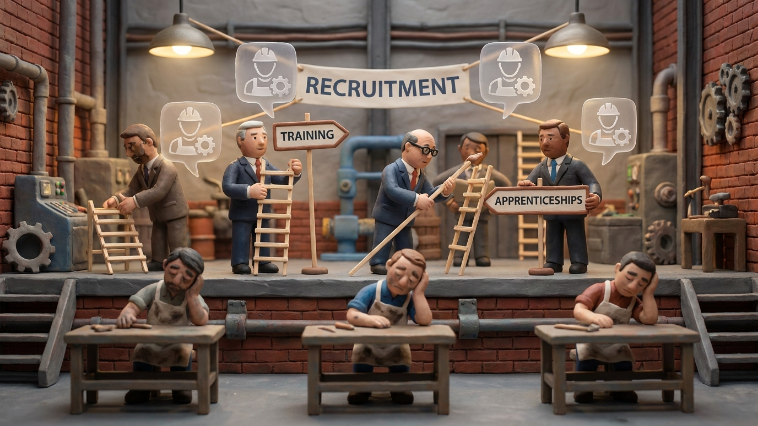
The U.S. manufacturing industry will experience a shortfall of 1.9 million workers by 2033, according to Deloitte and The Manufacturing Institute. To help with that, businesses are improving and broadening their apprenticeship initiatives, and they’re investing in employee development.
Supply Chains Are Becoming More Regional

Companies are turning to a regional supply network and diversifying suppliers to minimize disruptions, according to McKinsey. Efforts to make the manufacturing process more resilient are underway at many manufacturers, as they seek to bring manufacturing closer to their customers.
Automation Is Filling Workforce Gaps
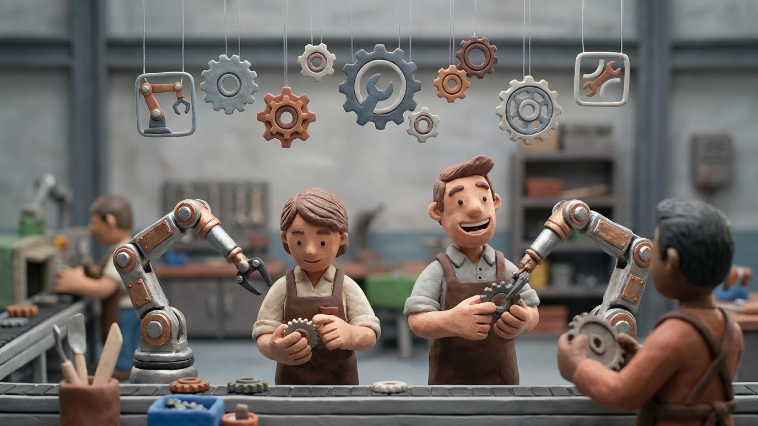
Global industrial robot installations hit a new record high by IFR in 2023 of 541,302 units. Robotic solutions in manufacturing are helping to increase productivity and assist with repetitive tasks.
Rising Costs Are Driving Efficiency Efforts
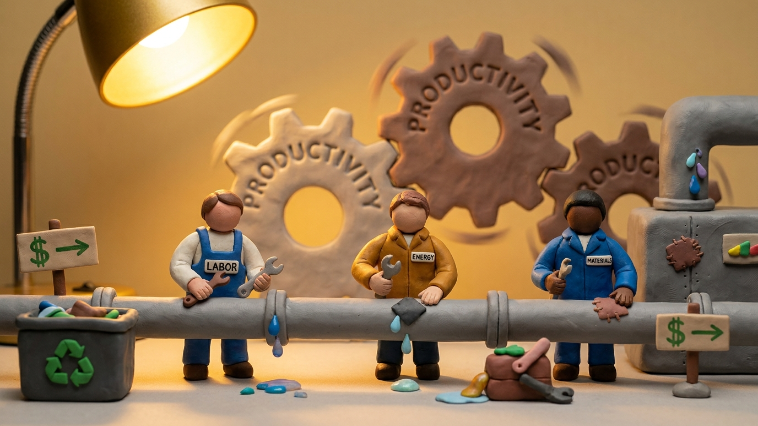
Manufacturers are keying into improving productivity and operational efficiency to deal with rising labor, energy, and material costs, according to the PwC Global Manufacturing Survey.
Cybersecurity Risks Are Increasing

For the third year in a row, manufacturing was the top industry being attacked by cyber attacks according to IBM’s Cost of a Data Breach Report. Businesses are allocating more resources to the security of their information and digital risk management.
AI Is Entering Factory Operations
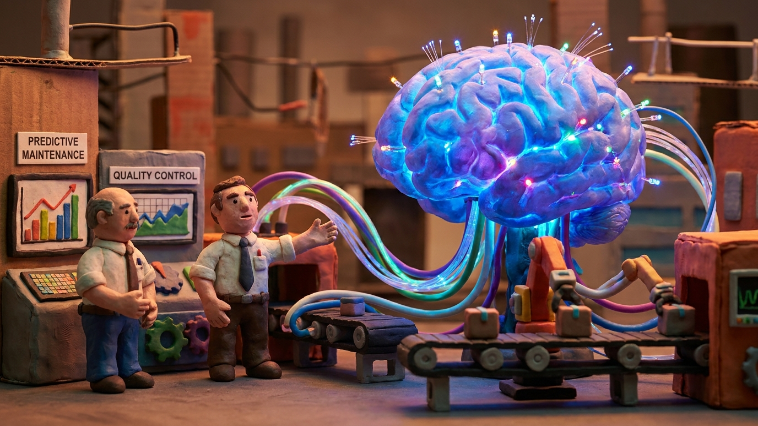
Accenture estimates that by 2035, generative AI could generate up to $3.8 trillion of value for manufacturing across the world. Manufacturers are exploring the use of AI for predictive maintenance, quality control, and process optimization.
Sustainability Requirements Are Expanding
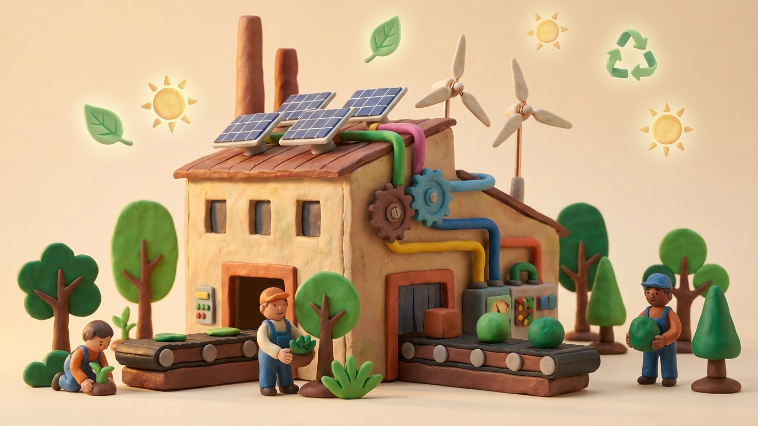
Industry contributes almost a quarter of global energy-related emissions of CO₂, according to the International Energy Agency. Energy management and cleaner technologies are being invested in by manufacturers for energy efficiency to support sustainability.
Digital Transformation Remains a Priority
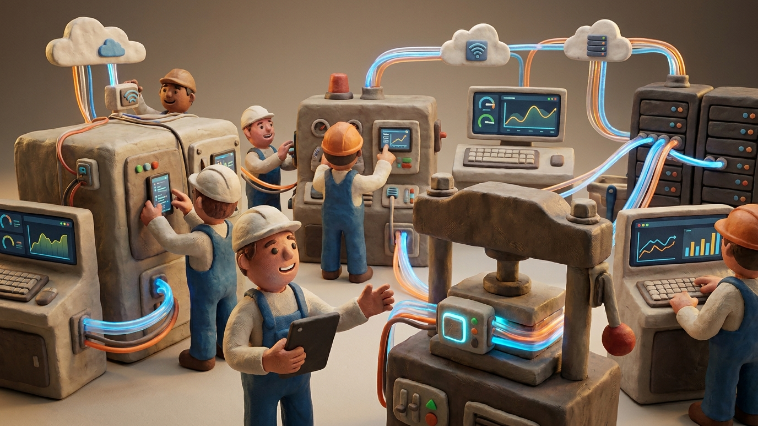
According to a survey by Deloitte, 92% of manufacturers say smart manufacturing technologies are important to their competitiveness. Leaders are making a greater investment in sensors, cloud, and connected systems.
Data Visibility Is Improving Intellectual Process
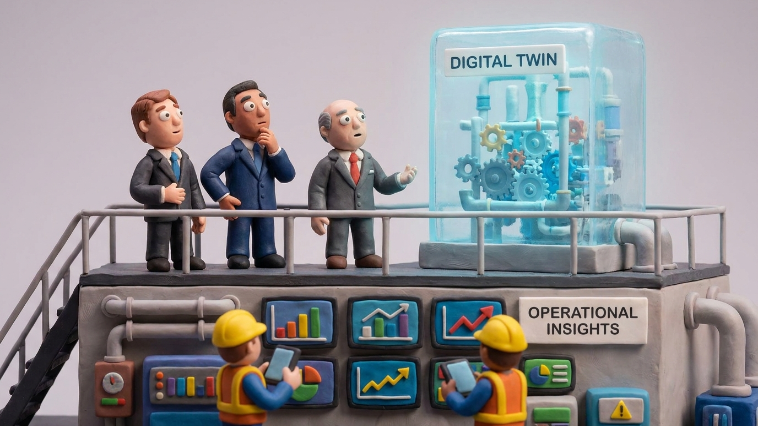
Companies with a deeper understanding of advanced analytics and digital twins can boost productivity by up to 30%, says McKinsey. Data platforms are helping manufacturers to have a clearer picture of operations.
